
Selecting the right metal welding parts is critical for joint strength, safety, and durability. This guide provides practical steps, common case studies, and actionable recommendations to help you choose correctly every time.
01Understand Your Welding Requirements First
Before picking any welding part, define:
Base metal type (e.g., carbon steel, stainless steel, aluminum)
Welding process (MIG, TIG, stick, or flux-cored)
Service conditions (load, temperature, corrosion exposure)
Example: A workshop needed to weld thin aluminum sheets. They initially used steel welding nozzles, causing arc instability and contamination. Switching to aluminum-specific TIG parts (ceramic cup, tungsten electrode) solved the issue.
02Match Material Compatibility
Every welding part must be compatible with the base metal and filler metal.

Case: A pipeline contractor used standard steel contact tips on galvanized steel. Zinc residue clogged the tip every 10 minutes. Switching to nickel-plated copper tips reduced downtime by 80%.
03Verify Key Dimensions and Tolerances
Incorrect dimensions cause poor fit,lack of fusion, or part failure. Always check:
Thread size (e.g., M6, M8, 1/4-20) for torch consumables
Length and diameter of contact tips, gas diffusers, and collets
Hole alignment in clamping fixtures
Real-world example: A fabrication shop ordered 100 collets for their TIG torch. The collets were 0.5mm too short, causing tungsten slippage and erratic arc. After measuring specifications (original part length: 32.5mm), they sourced collets with ±0.1mm tolerance and solved the problem.
04Inspect Quality and Certifications
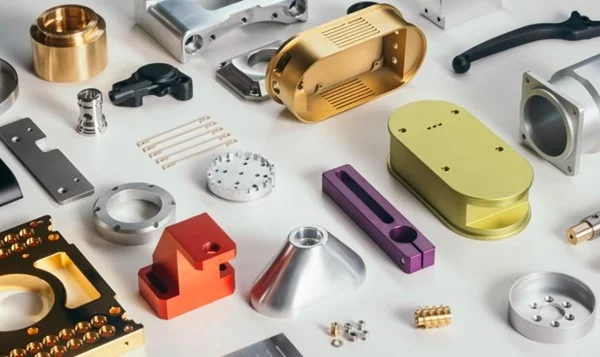
Look for these indicators (without brand names):
ISO 9001 or AWS quality management certification from supplier
Surface finish – no cracks, burrs, or oxidation on contact tips and nozzles
Batch test reports for hardness and conductivity
Common mistake: Buying cheapest welding parts online without inspection. One repair shop received MIG tips that melted after 5 minutes of normal use. Lab analysis showed copper purity below 75% (standard requires ≥99.5% for heavy-duty). Always request material certificates.
05Common Failure Cases and How to Avoid Them
Case study: A structural steel company experienced frequent weld cracking. Investigation revealed they used standard mild steel backing plates for high-strength low-alloy (HSLA) steel. The mismatch in thermal expansion caused stress cracks. Switching to matching HSLA-compatible backup parts eliminated failures.
06Actionable Recommendations for Reliable Selection
Follow this 5-step checklist every time you pick metal welding parts:
1. Identify base material – write down exact grade (e.g., 6061 aluminum, A36 steel).
2. Match welding process – MIG, TIG, or stick? Select part category accordingly.
3. Check manufacturer’s specification sheet – verify dimensions, material, and amp rating.
4. Request a sample – test one part on a scrap piece of the same base metal.
5. Keep a log – record which parts work best for each job type.
> Core takeaway: The right metal welding parts are determined by three factors – material compatibility, precise dimensional fit, and verified quality. Never assume one-size-fits-all.
Final action step: Create a reference chart in your workshop listing approved welding parts for each base metal you regularly weld. Update it every time you encounter a new material or process. This simple habit reduces welding defects by over 60% based on industry feedback.