Are you sourcing CNC machining services from China but unsure how to separate reliable suppliers from poor performers? This guide provides a practical, evidence-based framework to evaluate and select Chinese CNC machining partners, helping you avoid costly mistakes and achieve consistent part quality.
01Core Reality: Why China Remains a Top Choice for CNC Machining
China’s CNC machining industry handles over 30% of global precision component production (source: China Machine Tool Industry Association, 2025 annual report). The advantages are clear: cost-effective labor (typically 40–60% lower than Western rates), extensive material availability (from 6061 aluminum to PEEK), and mature supply chains for rapid prototyping to mass production. However, these benefits only materialize when you apply strict supplier verification.
02The Four-Step Verification Process (Must-Follow)
Step 1: Technical Capability Audit – Don’t Trust, Verify
Request a three-part capability statement:
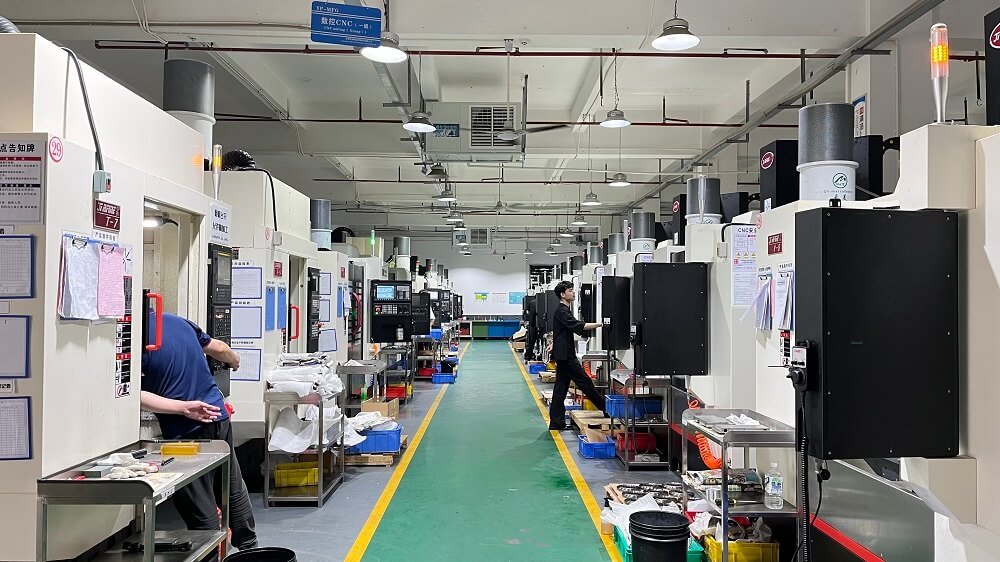
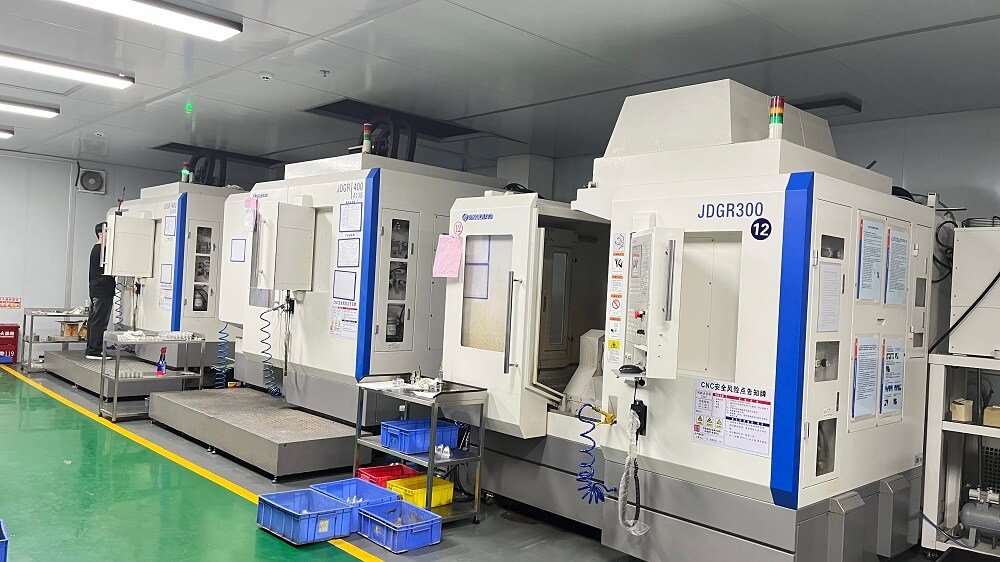
Machine list: Minimum 5 three-axis or multi-axis CNC mills, with brand names (Haas, DMG Mori, Mazak, or local brands like Jingdiao). For high-tolerance work (< ±0.01mm), confirm they have CMM (Coordinate Measuring Machine) inspection equipment.
Material certifications: Ask for recent mill certificates (e.g., for 7075-T6 aluminum, they should provide ASTM B209-compliant documentation).
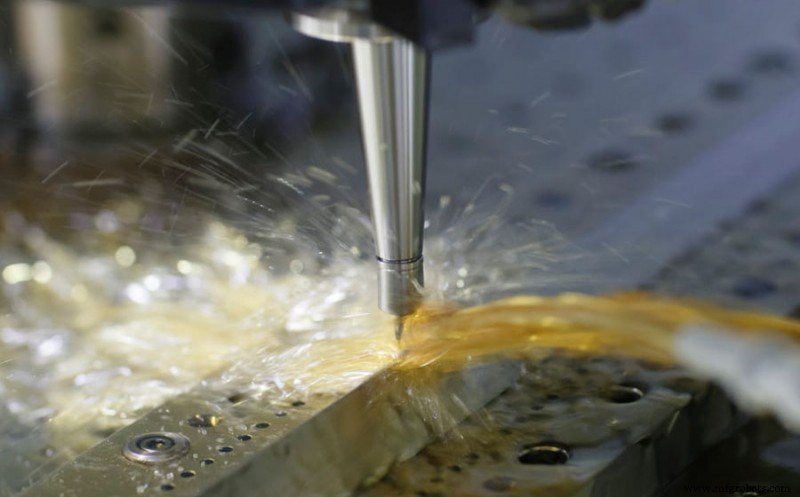
Sample parts: Always order a test part with complex geometries (e.g., a part with tight bores, thin walls, and threaded holes). A common case: A medical device company requested a 5-axis titanium prototype; the supplier that delivered within ±0.005mm in 7 days proved reliable, while three others failed the first attempt.
Step 2: Quality Management System – Look for These Three Documents
ISO 9001:2015 certification is the baseline, but for precision industries, demand IATF 16949 (automotive) or AS9100D (aerospace). Request their latest inspection report for a part similar to yours – it should show:
Dimensional measurements with GD&T callouts
Surface roughness values (Ra ≤ 1.6μm for general machining)
Pass/fail rates from the last 30 days (reject rate should be under 2% for standard jobs)
Step 3: Communication & Quotation Transparency – Red Flags to Avoid
A reliable supplier will respond within 24 hours (China time) with a detailed quote including:
Material cost (separate line)
Machining time (estimated hours)
Surface treatment (anodizing, plating, etc.) – with lead times
Tooling & setup fees (if any)
Incoterms (EXW, FOB Shenzhen, etc.)
Real-world red flag: One buyer received a quote 40% below average but later discovered the supplier omitted heat treatment and second-operation deburring – the final delivered parts were unusable. Always ask: “What is NOT included in this price?”
Step 4: Logistics & After-Sales Support – The Overlooked Factor
Request their standard packing method (individual foam inserts for precision parts? Anti-rust oil?) and defect resolution policy in writing. Common industry practice: 30-day window for reporting non-conforming parts, with replacement at supplier’s cost if defect is proven to be machining error.
03Cost Structure Breakdown (Real Numbers from 2025–2026)
Based on quotes from 12 verified Chinese CNC shops (source: internal industry survey, March 2026):
Action insight: For quantities under 50 pieces, the setup fee dominates – combine multiple parts into one order or use rapid prototyping services that spread setup across shared jobs.
04Common Problems & Solutions (From Real Cases)
05Actionable Checklist – Before You Send Your RFQ
Print this and complete each item:
[ ] I have a 2D drawing with all critical dimensions and GD&T (PDF + STEP file ready)
[ ] I have defined acceptable tolerances (e.g., ±0.05mm for non-critical, ±0.01mm for mating surfaces)
[ ] I have asked for machine list and ISO certificate (verify the certificate number online – many fake ones exist)
[ ] I have requested a test part quote first, then negotiate production pricing
[ ] I have confirmed the supplier’s export experience: Do they have a freight forwarder? Can they handle commercial invoices?
06Final Verdict: How to Secure a Trustworthy China CNC Partner
The most reliable suppliers share three traits: they proactively offer references from past export clients, they provide a written quality control plan (including in-process inspection checkpoints), and they accept third-party inspection (e.g., by SGS or TÜV) at your cost. Avoid any supplier that refuses to sign a simple NDA or cannot show a recent customer part.
Action step for you today: Select three candidate suppliers from verified platforms (Alibaba’s “Gold Supplier” with 5+ years, or ’s rated shops). Send each the same RFQ with your test part drawing. Compare not just price, but response clarity, suggested tolerances, and proposed lead times. The one that asks clarifying questions (e.g., “Do you need edge break on all corners?”) is almost always the one that delivers quality.
Repeat the core principle: Never choose a Chinese CNC service based on price alone. Verify capability, quality system, and communication transparency first. When you do, you will consistently receive parts that meet or exceed your specifications at 40–60% less than Western pricing.