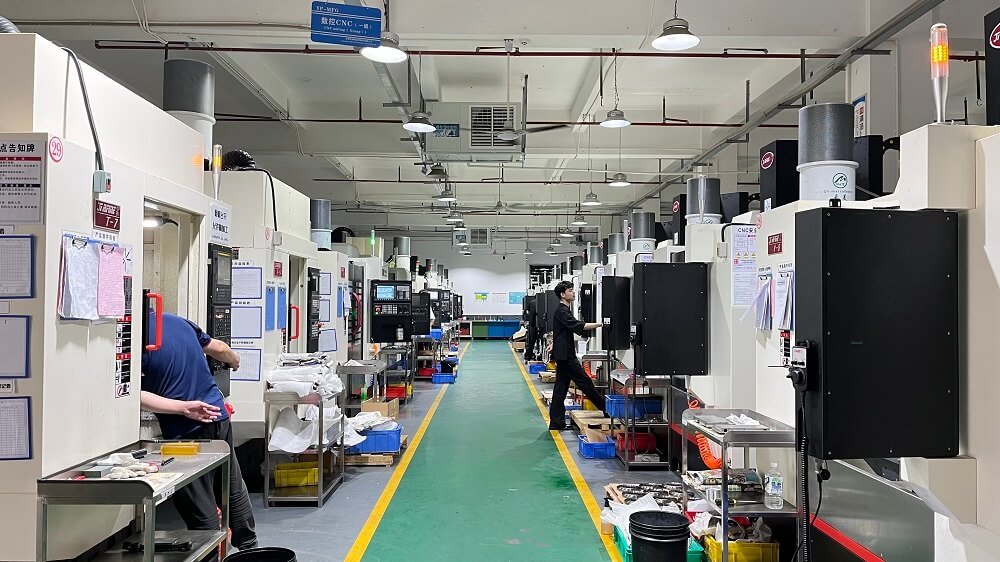
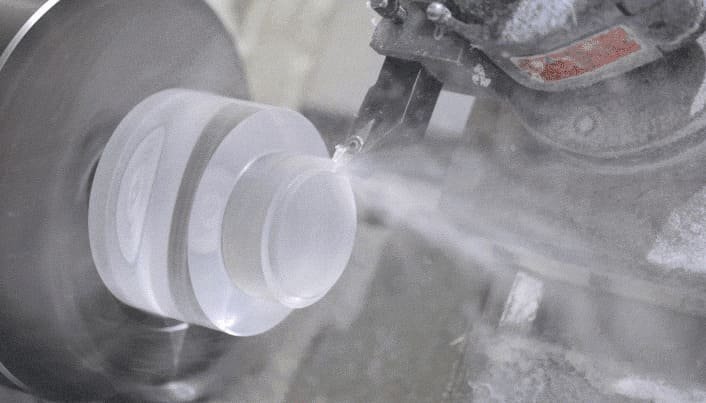
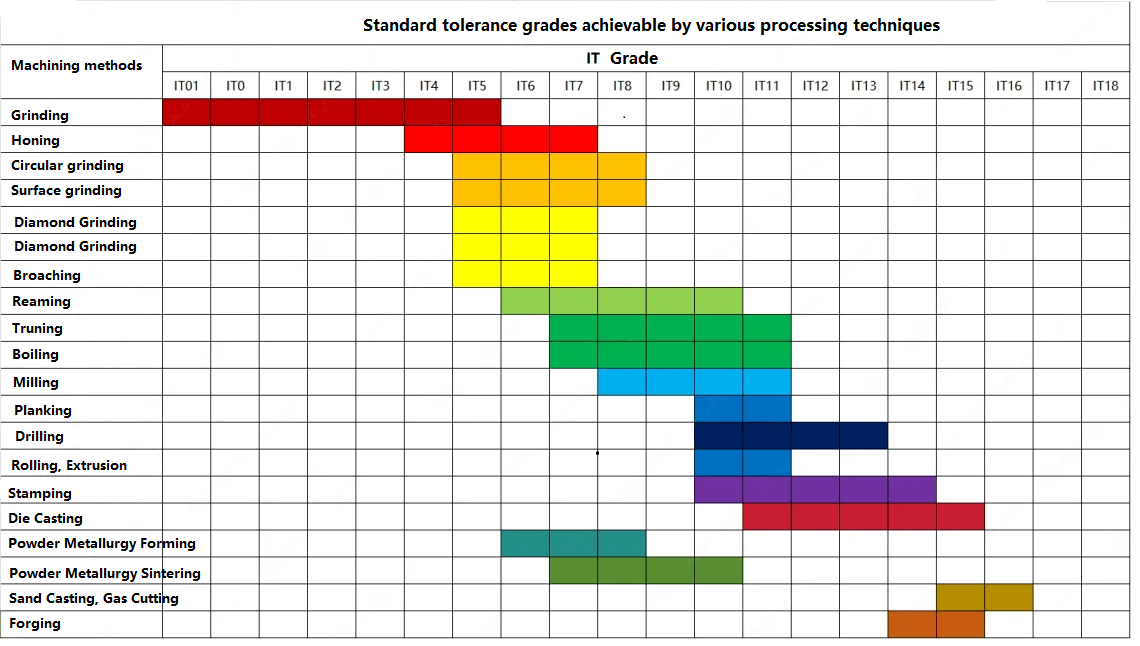
Choosing the right CNC shop is critical for getting precision parts on time and on budget. This guide walks you through the five most important factors—capabilities, quality control, communication, pricing transparency, and lead time—so you can make a confident decision for your next machining project.
01Match Your Part Requirements to the Shop’s Core Capabilities
Not every CNC shop handles the same materials or tolerances. Before requesting a quote, confirm that the shop regularly works with your required material (e.g., aluminum 6061, stainless steel 304, or engineering plastics like PEEK) and can hold your specified tolerances.
Common example: A small medical device startup needed 50 titanium brackets with ±0.005” tolerances. They first contacted a general job shop that mainly cut mild steel for construction parts. The shop quoted a long lead time and high cost because titanium required different tooling and coolant. Later, they found a shop specializing in medical-grade alloys—the price was 30% lower and delivery two weeks faster.
Checklist for capabilities:
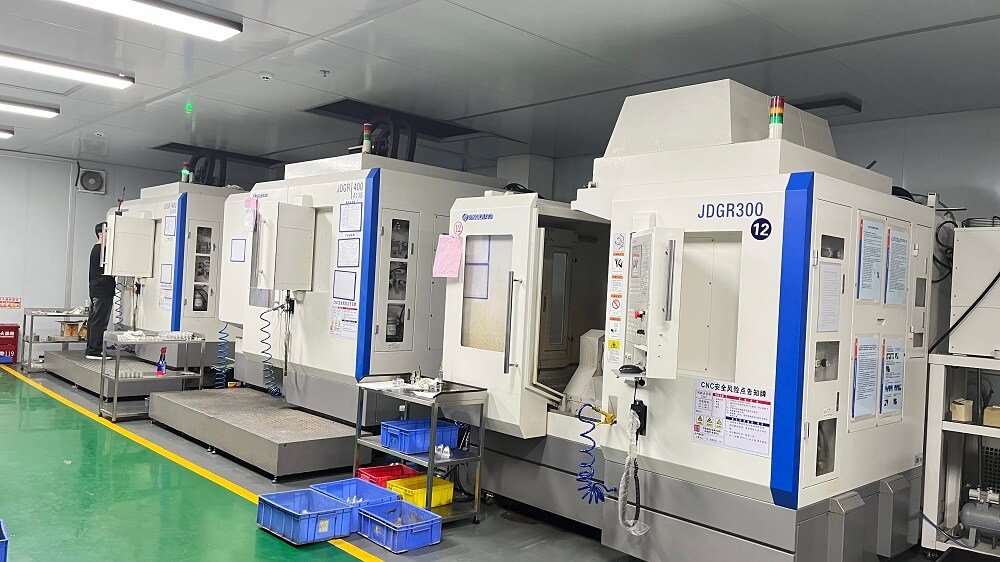
Maximum part size (XYZ travel)
Spindle speed and power for your material
Available tooling (e.g., live tooling for milling on a lathe)
Inspection equipment (CMM, optical comparator, etc.)
02Verify Quality Systems, Not Just Promises
A reliable CNC shop should have documented quality processes. Look for ISO 9001:2015 certification as a baseline. For aerospace or medical parts,ask about AS9100D or ISO 13485.
What to ask for:
First article inspection reports (FAIR) per AS9102

In-process inspection records
Material certifications (e.g., mill test reports)
Real-world case: A robotics company received a batch of aluminum housings from a low-cost shop that claimed “strict quality control.” Upon arrival, 15% had incorrect thread depths. The shop had no CMM or written inspection plan. Switching to an ISO-certified shop eliminated rework costs—the new shop provided a full FAIR with every first run.
03Assess Communication and Design for Manufacturability (DFM) Support
The best CNC shops act as partners, not order-takers. Before production, they should review your CAD model or drawing and suggest changes to reduce cost or improve reliability.
Example: An automotive parts designer uploaded a STEP file with sharp internal corners. A proactive shop pointed out that changing to a 1.5mm corner radius would allow using a standard end mill instead of EDM, cutting cycle time by 40%. The designer approved the change and saved $3,200 on a 200-part order.
Red flags in communication:
Takes more than 24 hours to reply to a quote request
Does not ask about tolerances or critical features
Cannot provide a simple DFM markup
04Understand True Pricing and Hidden Costs
Many shops quote low base prices but add surcharges for setup, material certs, or expedited shipping. Request a line-item quote that separates:
Material cost
Setup fee (per run, not per part)
Machining time
Inspection and documentation
Packaging and shipping
Common hidden cost scenario: A drone manufacturer accepted a quote of $8 per part for 500 nylon brackets. The final invoice was $6,500 because the shop added a $1,200 “engineering fee” for programming, a $500 “first article” fee, and $300 for basic material certs. Another shop quoted $10 per part all-inclusive—the total came to $5,000, saving $1,500.
Action step: Always ask, “Is this the final price for delivered parts, including all setup, inspection, and documentation?”
05Evaluate Lead Time Reliability
On-time delivery matters as much as part quality. Ask for the shop’s on-time delivery percentage over the last six months. A shop that consistently delivers late—even with perfect parts—will disrupt your production schedule.
What to verify:
Standard lead time for your complexity level (simple: 5–7 days; complex: 10–15 days)
Rush service availability (typically 2–3 days at 30–50% premium)
How they handle delays (proactive notification? expediting at no cost?)
Case study: A consumer electronics company needed 1,000 heat sinks before a trade show. Shop A promised 10 days but had no real-time production tracking. Shop B quoted 12 days but provided a weekly production report with photos. Shop B delivered on day 11; Shop A called on day 12 to say they hadn’t started because of a “material delay.” The company now requires all vendors to send weekly updates.
06Summary: Your Action Plan for Selecting a CNC Shop
1. List your non-negotiable requirements (material, tolerance, volume, delivery date).
2. Request quotes from three shops that match your capability needs.
3. Ask each shop the five questions below and compare answers.
4. Start with a small trial order (5–10 parts) before committing to large volumes.
Five essential questions to ask every CNC shop:
What is your standard tolerance for milling and turning?
Do you provide a DFM review before quoting?
Can you supply a full FAIR with the first shipment?
What is your on-time delivery rate over the past six months?
Is your quote all-inclusive with no hidden fees?
Repeat the core insight: Matching your part requirements to a shop’s proven capabilities and quality system saves far more money and time than chasing the lowest hourly rate. Take the extra hour to verify references and trial orders—it will eliminate months of rework headaches.
Final action: Download or print this checklist. Compare at least three CNC shops using the five factors above. Never assume a shop’s claimed capabilities—ask for documented proof and a small test run. Your project’s success depends on this due diligence.