Quick answer:
CNC stainless steel turning parts are cylindrical components manufactured by rotating raw stock against cutting tools. They are selected for their superior corrosion resistance, high strength, and dimensional precision in demanding environments. Sourcing these parts requires verifying material grades like 304 or 316 against specific application needs.
Choosing the right CNC stainless steel turning parts involves understanding how different alloys perform under stress, heat, and chemical exposure. Buyers often face challenges in balancing cost with the strict tolerances required for mechanical assemblies. This guide outlines the critical factors for selecting materials, defining specifications, and managing production risks effectively.
Why Material Grade Matters
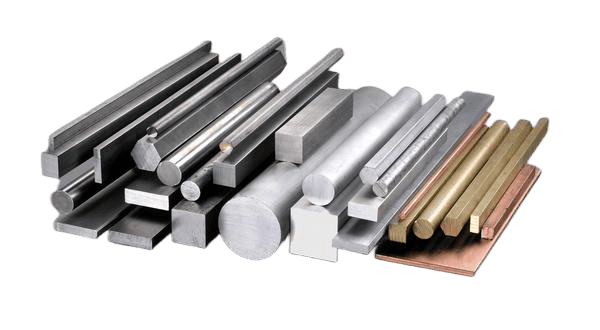
The performance of stainless steel machining relies heavily on the specific alloy chosen. Not all stainless steels offer the same balance of machinability and end-use properties.
304 Stainless Steel: Ideal for general-purpose applications where corrosion resistance is needed. It is easier to machine than other grades and offers good formability.
316 Stainless Steel: Contains molybdenum, providing enhanced resistance to chlorides and acids. It is preferred for marine, medical, and chemical processing environments.
416 Stainless Steel: Contains sulfur for improved machinability. It is often used when high production speeds are prioritized over maximum corrosion resistance.
Selecting the wrong grade can lead to premature failure or excessive tool wear during manufacturing. Engineers must match the alloy to the operational environment to ensure longevity.
Key Technical Specifications to Define
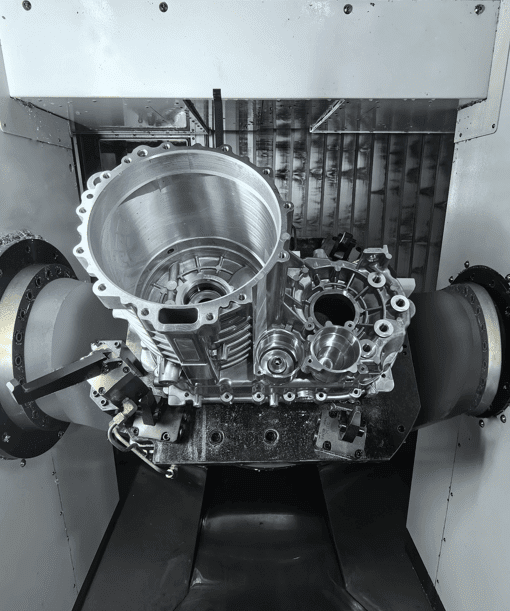
Clear technical drawings are essential for accurate quoting and production. Ambiguity in specifications often leads to costly revisions or non-conforming parts.
When specifying precision turned components, focus on these critical elements:
Defining these parameters upfront helps manufacturers determine the most efficient manufacturing route. It also allows for accurate assessment of potential quality control bottlenecks.
Common Manufacturing Challenges
Stainless steel presents unique difficulties during CNC turning services. Its work-hardening nature and low thermal conductivity can affect tool life and part quality.
Buyers should be aware of these common issues:
1. Tool Wear: The hardness of stainless steel accelerates tool degradation. High-quality carbide tools are necessary to maintain consistent dimensions.
2. Heat Buildup: Poor heat dissipation can cause thermal expansion,leading to dimensional inaccuracies. Proper coolant flow is critical.
3. Chips Management: Long, stringy chips can interfere with the cutting process. Breaking bars effectively is essential for automated production runs.
Understanding these challenges allows procurement teams to set realistic expectations for lead times and pricing. It also highlights the importance of experienced engineering support.
How YPMFG Supports Your Project
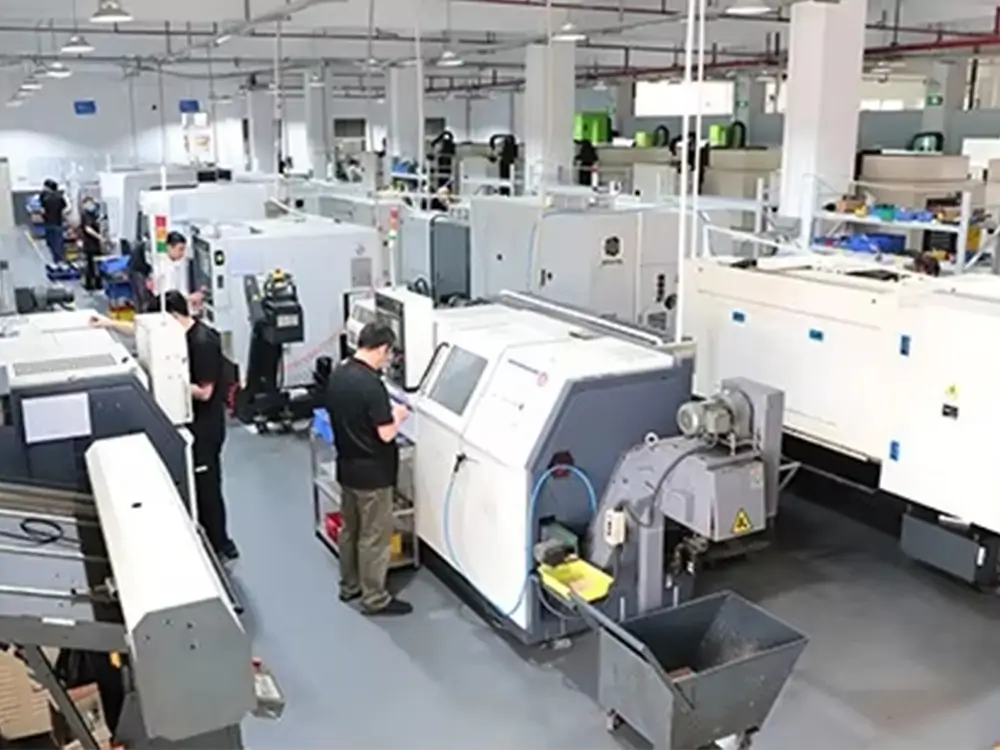
At YPMFG, we specialize in delivering high-quality CNC stainless steel turning parts for diverse industries. Our approach focuses on engineering feasibility from the initial design phase through final delivery.
We provide comprehensive support to ensure your project succeeds:
Engineering Evaluation: We review your drawings for manufacturability and suggest optimizations to reduce cost without compromising performance.
Custom Solutions: Whether you need small batches or high-volume production, we adapt our processes to meet your specific requirements.
Quality Assurance: Every part undergoes rigorous inspection to verify dimensions, surface finish, and material properties.
Documentation: Complete traceability reports and certificates are provided for full compliance and record-keeping.
Our team is ready to assist with complex geometries and tight tolerance requirements. We ensure that your turning parts meet both functional and aesthetic standards.
Practical Questions Before Choosing Supplier
What is the minimum order quantity for custom parts?
MOQs vary based on complexity and setup time. For CNC stainless steel turning parts, small prototypes may have higher per-unit costs. Discuss volume tiers with your supplier to find the most cost-effective structure for your needs.
Which certification should I request for material proof?
Always request a Mill Test Certificate (MTC) for the raw material. This document verifies the chemical composition and mechanical properties of the stainless steel used. It ensures the material matches the grade specified in your design.
How do you handle surface finish requirements?
Standard machining leaves visible tool marks. If a smoother finish is required, specify the target Ra value. Additional processes like bead blasting or polishing may be needed, which affects lead time and pricing.
Can you assist with design for manufacturability?
Yes, engineering feedback is crucial. Suppliers can suggest changes to reduce machining time, such as adjusting internal corner radii or standardizing thread sizes. This collaboration often results in significant cost savings.
Making a Better Long-Term Decision
Selecting the right partner for CNC stainless steel turning parts impacts your product’s reliability and total cost of ownership. Prioritize suppliers who offer transparent communication and technical expertise.
By focusing on material selection, precise specifications, and manufacturing capabilities, you mitigate risks associated with poor quality or delayed delivery. YPMFG stands ready to provide expert guidance and high-precision components tailored to your application.
Send your specifications to YPMFG for an engineering review. We will help you optimize your design and provide a competitive quote promptly.