
Quick answer:
Laser cut sheet metal is a precise, fast, and repeatable manufacturing process used to cut flat metal sheets into custom shapes and parts. It is widely applied in industries like automotive, aerospace, electronics, and construction because it delivers clean edges, tight tolerances, and minimal material waste. However, the choice of laser type, material grade, and thickness range directly affects cut quality, cost, and lead time. Understanding these variables helps buyers avoid common sourcing mistakes and select the right partner for their project.
If you are sourcing custom metal parts, you already know that precision, speed, and cost control matter. But not every laser cutting provider delivers the same results. Differences in equipment, material handling, and quality checks can turn a simple quote into a costly delay. This article walks through what laser cut sheet metal really involves, what affects pricing and quality, and how to evaluate suppliers so you get parts that fit the first time.
What Is Laser Cut Sheet Metal?
Laser cut sheet metal refers to flat metal sheets that have been cut into specific shapes using a high-power laser beam. The laser melts, burns, or vaporizes the material along a programmed path, producing parts with clean edges and tight tolerances. This process is preferred for prototypes, medium-volume runs, and complex geometries that would be difficult or expensive to achieve with traditional tooling.
Key characteristics include minimal heat-affected zones, no mechanical deformation, and repeatable accuracy across multiple parts. The process works well with mild steel, stainless steel, aluminum, and even some non-ferrous metals like copper and brass, depending on the laser type.
How Laser Cutting Works
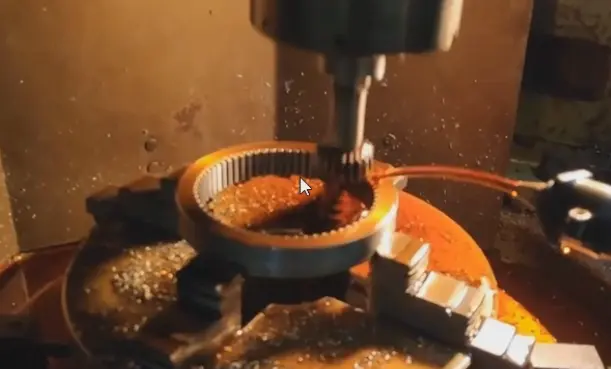
A laser cutter directs a focused beam of light onto the metal surface. The energy heats the material to its melting or vaporization point, while a gas jet (oxygen, nitrogen, or compressed air) blows away the molten material. The cutting head moves along a CNC-controlled path, following the design file typically provided in DXF or DWG format.
Three main laser types are used for sheet metal:
Fiber laser – Most common for sheet metal. High efficiency, low maintenance, excellent for reflective metals like aluminum and copper.
CO₂ laser – Good for thicker plates and non-metal materials, but less efficient for thin reflective metals.
Nd:YAG laser – Used for specialized applications requiring high pulse energy, less common in standard sheet metal cutting.
Fiber lasers dominate the market today because they cut faster,consume less energy, and require less frequent maintenance than CO₂ systems.
Common Materials and Thickness Ranges
The material you choose directly affects cutting speed, edge quality, and cost. Below is a typical thickness range for common metals using a standard fiber laser.
Thicker materials require higher laser power and slower cutting speeds, which increases cost per part. For thicknesses above 25 mm in mild steel, plasma cutting or waterjet may be more economical.
Cost Factors You Should Know
The price of laser cut sheet metal parts is not determined by weight alone. Several variables influence the final quote:
Material cost – The base price of the metal sheet, which fluctuates with market conditions. Stainless steel and aluminum cost more than mild steel.
Cutting time – Laser cutting machines are billed by the hour. Complex shapes, small internal features, and tight tolerances increase cutting time.
Thickness – Thicker material requires slower speeds and higher power, raising the cost per part.
Quantity – Setup time is distributed across the order. Larger quantities reduce the cost per piece.
Secondary operations – Deburring, tapping, bending, welding, or surface finishing add to the total price.
A common mistake is comparing only the unit price without considering material sourcing lead times or tolerance requirements. Parts with ±0.1 mm tolerances cost more than those with ±0.5 mm, even if the geometry looks identical.
Quality Indicators to Check
Not all laser cut parts are the same. When evaluating a supplier or inspecting incoming parts, look at these quality indicators:
Edge roughness – A clean, dross-free edge indicates proper laser settings and gas pressure.
Burr height – Minimal burrs mean the cutting parameters were optimized for the material and thickness.
Dimensional accuracy – Check critical features against the drawing. Consistent results across the batch indicate a stable process.
Heat-affected zone (HAZ) – A narrow HAZ reduces distortion and preserves material properties.
Surface finish – No discoloration, pitting, or oxidation, especially on stainless steel and aluminum.
A reliable provider will document these checks and offer inspection reports or certifications upon request.
Laser Cut Sheet Metal vs. Other Cutting Methods
For most sheet metal fabrication projects, laser cutting offers the best balance of speed, precision, and flexibility. Waterjet is preferred when thermal distortion cannot be tolerated, while plasma remains the choice for heavy structural steel.
Common Questions About Laser Cut Sheet Metal
What is the maximum thickness laser cutting can handle?
Fiber lasers can cut mild steel up to 25 mm and stainless steel up to 12 mm in production. Beyond that, cutting speeds drop significantly, and edge quality may not meet industrial standards.
Does laser cutting work on reflective metals like aluminum?
Yes, modern fiber lasers handle reflective metals well. However, aluminum above 6 mm requires higher power and slower feed rates to maintain cut quality.
Can laser cut parts be welded or bent afterward?
Yes, laser cut edges are generally clean enough for welding and bending. Parts may require light deburring before forming, especially on thicker materials.
How do I prepare a file for laser cutting?
Most suppliers accept DXF or DWG files with closed profiles. Include a material specification, thickness, and any required tolerances or surface finish notes.
What is the typical lead time for laser cut sheet metal parts?
Lead time depends on material availability, order quantity, and complexity. Standard orders often ship within 5–10 business days, but rush options are available for critical projects.
Does material thickness affect the minimum hole size?
Yes. As a general rule, the hole diameter should be at least equal to the material thickness. Smaller holes may require drilling or EDM instead.
How accurate is laser cutting?
Standard tolerance is ±0.1 mm for most materials and thicknesses. Higher precision is possible with additional setup and inspection, but it increases cost.
Can I get a quote for laser cut sheet metal parts without a drawing?
Yes, many suppliers can provide a rough estimate based on material, size, and quantity. However, a detailed drawing or file is required for an accurate quote.
Choosing the Right Laser Cutting Partner
Finding the right partner for laser cut sheet metal is not just about the lowest price. You need a provider who understands material behavior, tolerance requirements, and delivery timelines. A mismatch in equipment capability or quality control can lead to rework, delays, and unexpected costs.
YPMFG supports projects that require precise laser cutting across a range of materials and thicknesses. Whether you need a quick prototype run or a repeat production order, you can send your specifications to YPMFG for an engineering review and a detailed quote. Their team can help you evaluate material options, optimize part geometry for manufacturability, and provide the documentation you need for compliance or assembly.
Need Help Selecting the Right Laser Cutting Approach?
Every project has its own set of requirements, and the right cutting method depends on your material, geometry, volume, and budget. Instead of guessing, work with a partner who can review your design and recommend the most efficient path forward. YPMFG offers custom solutions, engineering support, and fast quoting for laser cut sheet metal parts. Send your CAD file or drawing today and get a clear, itemized quote with lead time and quality notes.


