
Quick answer:
Custom industrial sheet metal fabrication relies on precision CNC machining and advanced forming techniques to deliver durable, high-tolerance parts. YPMFG specializes in transforming raw metal into complex components that meet strict engineering specifications. This process ensures consistency, structural integrity, and seamless integration into larger industrial systems.
Manufacturers often struggle with inconsistent tolerances or delayed production cycles when sourcing standard parts. The true value lies in selecting a partner who understands material science and geometric complexity. Precision is not just about size; it is about repeatability and surface finish quality across large batches.
Understanding Precision in Sheet Metal Fabrication
Precision in sheet metal fabrication goes beyond simple cutting. It involves maintaining tight tolerances during bending, punching, and welding processes. Even minor deviations can compromise the fit and function of the final assembly.
Typical tolerance standards range from ±0.005 inches to ±0.010 inches for critical components. These margins ensure that parts interlock correctly without requiring extensive post-processing. Deviations in this range can lead to assembly failures or increased maintenance costs over time.
Key Processes for Custom Parts
Several core technologies enable high-precision manufacturing. Each method serves specific design requirements and material constraints.
Laser Cutting
Laser cutting offers superior edge quality and minimal heat-affected zones. It is ideal for intricate geometries and thin gauge materials. The accuracy allows for complex patterns without secondary operations.
CNC Turret Punching
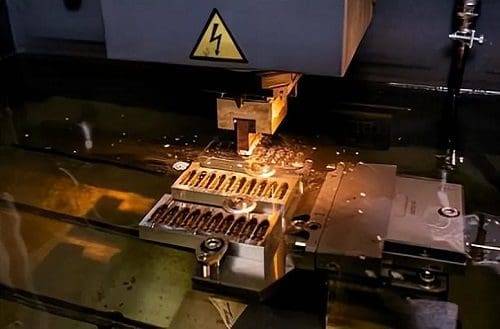
Punching provides speed for high-volume production of holes and louvers. It creates clean, burr-free edges suitable for immediate assembly. This method is cost-effective for parts with repetitive features.
CNC Bending
Precision bending requires advanced machine calibration to prevent springback errors. Automated angle measurement ensures consistent fold angles across thousands of units. This step is crucial for boxes, enclosures, and structural frames.
Material Selection and Impact on Quality
Choosing the right material affects both the manufacturing process and the final part performance. Different metals behave uniquely under stress and during fabrication.
Each material requires specific tooling adjustments and parameter settings. Incorrect selection can lead to cracking during bending or poor weld quality.
Critical Factors for Procurement Success
When sourcing custom precision parts, buyers must evaluate several technical criteria. Relying solely on price often results in higher long-term costs due to defects.
Dimensional Accuracy
Verify that the fabricator uses CMM (Coordinate Measuring Machine) inspection. Regular reporting of first-article inspections ensures early detection of deviations.
Surface Finish Requirements
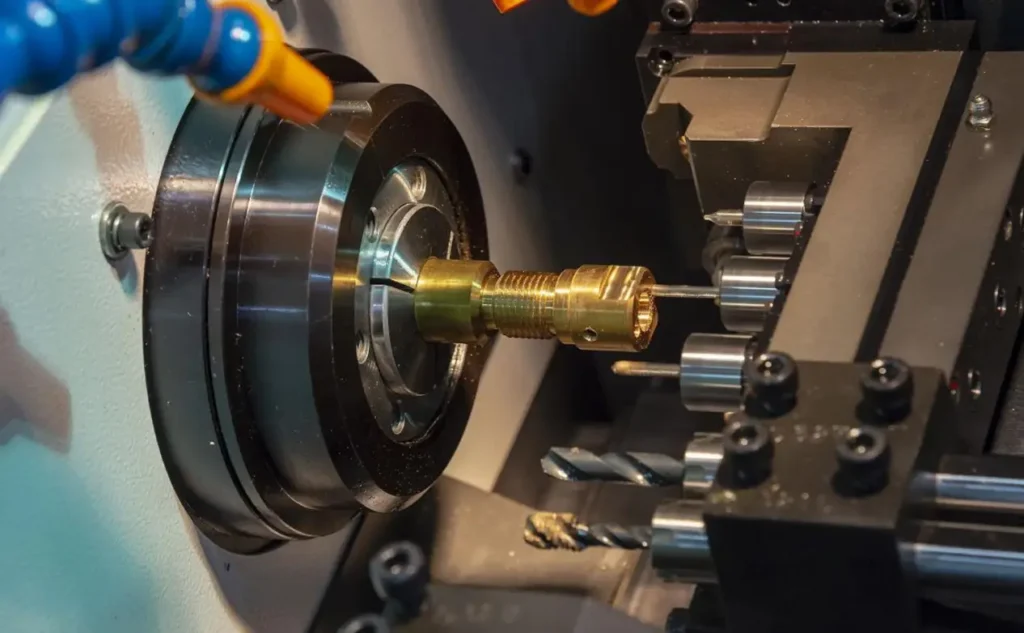
Specify whether parts need raw,powder-coated, or anodized finishes. Surface preparation impacts adhesion and corrosion protection capabilities.
Production Scalability
Ensure the supplier can maintain consistency from prototype to mass production. Tooling wear must be monitored to prevent gradual tolerance drift.
Common Mistakes in Design for Manufacturing
Designers often overlook manufacturability when creating custom metal components. This leads to unnecessary costs and production delays.
Avoid placing holes too close to bend lines. This causes distortion and weakens the structure. Maintain minimum flange lengths to support stable bending operations.
Do not specify unrealistic tolerances for non-critical features. Tight tolerances increase machining time and scrap rates significantly. Only apply strict limits where functional assembly demands them.
How YPMFG Supports Your Project
YPMFG provides end-to-end support for industrial sheet metal fabrication needs. Our engineering team reviews designs before production to optimize for manufacturability. We offer detailed DFM reports to highlight potential issues early.
Clients receive comprehensive documentation including material certifications and inspection records. This transparency builds trust and simplifies your quality control audits. We also provide sample testing to validate fit and function before full-scale runs.
Practical Questions Before Choosing a Manufacturer
What is the typical lead time for custom orders?
Lead times vary based on design complexity and material availability. Standard quotes usually take 2-3 days. Production schedules depend on current factory load and order volume.
Can you handle small batch prototyping efficiently?
Yes, modern CNC equipment allows flexible changeovers. Small batches are viable without excessive setup costs. This approach supports rapid iteration and design validation.
Do you offer engineering consultation for design optimization?
Our engineers provide free initial reviews for design improvements. They suggest modifications to reduce cost or improve strength. This service helps avoid costly mistakes during production.
What quality assurance controls are in place?
We implement in-process inspections at every critical stage. Final shipments include detailed measurement reports and certificates. This multi-layered approach ensures consistent part quality.
Making a Better Long-Term Decision
Selecting the right partner for precision sheet metal parts requires careful evaluation of capabilities. Focus on technical expertise, quality systems, and communication clarity. Avoid suppliers who cannot explain their process controls clearly.
YPMFG is ready to assist with your next project. Send your specifications or CAD files for a free engineering assessment. We provide accurate quotes and realistic timelines to support your planning. Contact us to start your fabrication journey with confidence.