
Quick answer:
Custom brass casting produces precision metal parts by pouring molten brass into purpose-built molds. It is ideal for complex geometries, moderate production volumes, and applications requiring corrosion resistance or electrical conductivity. When evaluating a foundry, focus on alloy selection, dimensional accuracy, and quality documentation before approving a quote.
Brass casting sits between traditional machining and other metal forming methods. For engineers and procurement specialists, the key challenge is balancing part performance with cost efficiency. Many projects succeed when the casting method, alloy, and post-processing steps are aligned with the actual application requirements.
At YPMFG, we support custom brass casting projects across industrial machinery, valves, fittings, electrical components, and automation equipment. The guidance below covers the essentials you need to make an informed sourcing decision.
What Is Custom Brass Casting?
Custom brass casting is a manufacturing process where molten brass alloy is poured into a mold cavity and allowed to cool into the desired shape. Unlike CNC machining, which removes material from a solid blank, casting builds the part geometry from liquid metal. This makes it cost-effective for complex parts that would require extensive machining otherwise.
Brass is an alloy primarily made of copper and zinc. Small additions of elements like lead, tin, aluminum, or silicon modify the properties for specific use cases. The resulting parts often require minimal secondary machining to meet final tolerances.
Engineers commonly select brass casting when part complexity is high, batch sizes are small to medium, or the design includes internal channels, threads, and irregular contours. The process is not limited to simple shapes — modern molding techniques produce detailed features with consistent quality.
Brass Alloy Options and Their Applications
Different brass grades deliver distinct mechanical and chemical properties. Selecting the correct alloy is one of the most important decisions in a casting project.
C36000 (Free-Cutting Brass): Excellent machinability and good corrosion resistance. Commonly used for valves, fittings, gears, and decorative hardware.
C37700 (Red Brass): Higher copper content provides superior corrosion resistance. Used in marine applications and plumbing components.
C44300 (Naval Brass): Designed for saltwater environments. Frequently specified for pump parts and ship fittings.
C46200 (Manganese Bronze): High strength and wear resistance. Suitable for heavy-duty gears, bushings, and bearing components.
C63000 (Aluminum Brass): Offers good strength and resistance to dezincification. Used in heat exchangers and condenser tubes.
Matching the alloy to your operating environment — temperature, chemical exposure, mechanical load, and expected service life — prevents costly failures down the line. YPMFG can help you compare material options against your specification sheets and technical drawings.
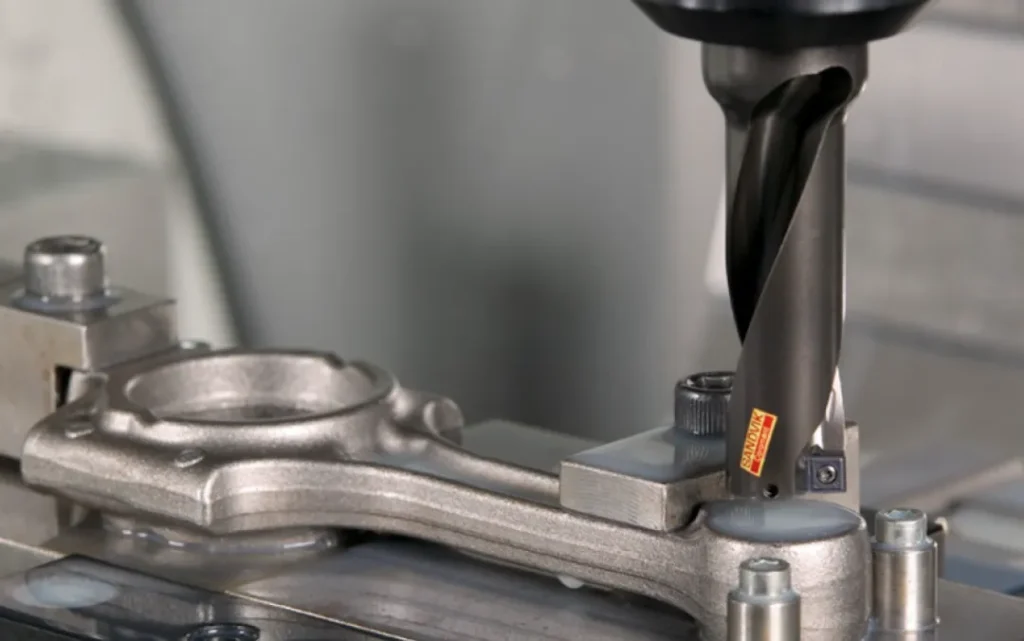
Common Brass Casting Methods
Several casting processes are suitable for brass parts. Each method has trade-offs in precision, surface finish, tooling cost, and production speed.
Sand casting uses compacted sand around a pattern to form the mold cavity. It is the most flexible method and works well for medium to large parts. Tooling costs are low, but dimensional tolerance and surface finish are less precise compared to other methods.
Investment casting (lost-wax casting) produces parts with high dimensional accuracy and smooth surface finish. The process involves creating a wax pattern, building a ceramic shell, melting out the wax, and pouring molten brass. It is ideal for complex geometries and tighter tolerances. Tooling and process costs are higher.
Lost-foam casting uses a polystyrene foam pattern that vaporizes when molten metal is poured. It combines some advantages of sand and investment casting. The method supports complex shapes with minimal machining required.
Choosing the right method depends on part size, tolerance requirements, surface finish needs, and annual volume. We recommend sharing your part drawings and tolerance specifications with an engineering team for an assessment before committing to a process.
Key Cost Factors in Brass Casting
Understanding cost drivers helps you evaluate quotes more effectively and avoid surprises during production.
Material costs vary depending on the brass grade. Copper price fluctuations directly affect the base cost of the alloy.
Tooling and mold creation represent a fixed upfront investment. Sand casting patterns are generally less expensive than ceramic shells used in investment casting.
Surface finishing operations such as shot blasting, polishing, plating, or CNC re-machining add to the total cost but are often necessary for functional parts.
Labor and post-processing time increase with parts requiring tight tolerances, threaded holes, or precision bore work.
Order volume significantly influences unit pricing. Larger batches spread tooling and setup costs over more units, reducing the per-part price.
When comparing quotations, look beyond the unit price. Consider total cost including finishing, quality inspection, packaging, and delivery timeline. YPMFG provides transparent cost breakdowns so you can evaluate each line item clearly.
Quality Control and Tolerance Standards
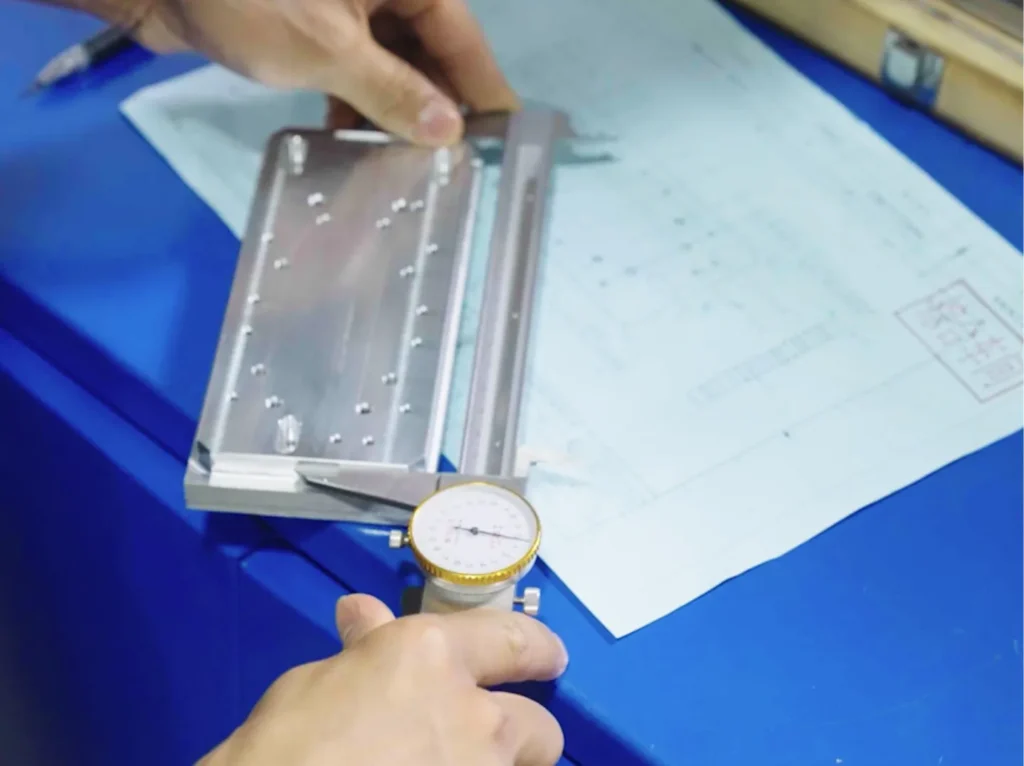
Quality control in brass casting involves checks at multiple stages: incoming material, mold preparation, pour verification, cooling and removal, and final inspection.
Typical dimensional tolerances for sand casting range from ±0.5 mm to ±1.0 mm per 100 mm of length. Investment casting can achieve tighter tolerances around ±0.2 mm to ±0.5 mm per 100 mm. These values depend on part size and geometry.
Surface roughness is another critical parameter. As-cast surfaces typically range from Ra 6.3 to Ra 12.5 micrometers. Secondary finishing operations can improve this to Ra 1.6 or better when required.
Relevant standards include ASTM B24 for brass and bronze castings and ISO 8062 for dimensional tolerances on cast components. Requesting a quality inspection report with each shipment ensures traceability and compliance.
Below is a comparison of common brass casting methods to help you identify the right fit for your project.
Selecting the appropriate casting method requires matching process capabilities to your part specification requirements. Sharing detailed drawings with your manufacturer early in the process avoids misalignment between expectation and capability.
Common Mistakes When Ordering Brass Castings
Several avoidable mistakes cause delays, rework, or unexpected costs in brass casting projects.
One frequent error is specifying overly tight tolerances on non-critical surfaces. This increases machining time and unit cost unnecessarily. Only apply strict tolerances where functional fit or assembly depends on it.
Another mistake is ignoring the effect of post-casting heat treatment. Some brass alloys benefit from annealing to relieve internal stress and improve machinability. Confirm whether your chosen alloy requires this step.
Material certification is often overlooked. Without proper material test reports, you cannot verify that the alloy composition matches your specification. Always request certifications for critical applications.
Insufficient communication of design intent leads to mismatches between the foundry output and your assembly requirements. Clearly specify functional surfaces, threads, mating interfaces, and any special coatings needed.
Work with a manufacturer that reviews your drawings before production begins. YPMFG offers free engineering assessments to identify potential issues before mold creation.
Practical Questions Before Choosing a Brass Casting Supplier
You may have specific concerns when sourcing custom brass casting parts internationally or from a new supplier. The following questions address common decision points for buyers.
What information should I provide to get an accurate quotation?
Provide detailed part drawings with dimensions, tolerances, surface finish requirements, material specification, and estimated annual quantity. A CAD file or 2D PDF with callouts is preferred. If you lack drawings, describe the application, load conditions, and environmental exposure so the engineer can recommend a suitable approach.
How long does the prototype or sample stage take?
Sample production typically takes 10 to 20 business days depending on the casting method, part size, and finishing requirements. Investment casting samples may take longer due to shell-building time. Rush options are often available for urgent projects.
What is the minimum order quantity for custom brass castings?
Most foundries accept orders starting from a single piece for prototype runs. Economical batch sizes usually begin around 50 to 100 units for sand casting and 100 to 500 units for investment casting. Volume discounts apply as quantity increases.
Can the supplier provide material certifications and inspection reports?
Yes. Reputable manufacturers provide material test certificates, dimensional inspection reports, and surface finish measurements with each shipment. Request these documents as part of your purchasing terms.
How do I ensure consistent quality across multiple production runs?
Establish a clear quality agreement covering dimensional checks, material composition, surface appearance, and packaging standards. Use first-article inspection reports to baseline quality. Request statistical process control data for high-volume orders.
What are the common surface treatment options for brass castings?
Common treatments include passivation, lacquer coating, chrome plating,nickel plating, and clear anti-tarnish coatings. The choice depends on corrosion exposure, aesthetic requirements, and compatibility with subsequent assembly processes.
When should I choose casting over CNC machining for brass parts?
Choose casting when the part geometry is complex, material waste from subtractive machining would be significant, or the production volume makes per-unit casting costs lower. Choose CNC machining when tight tolerances on simple profiles are needed or when material properties from directional grain structure are critical.
Making a Better Long-Term Decision
Getting the right brass casting parts requires alignment between design intent, material selection, process capability, and quality verification. The decisions you make early — alloy grade, casting method, tolerance distribution, and finishing requirements — have a lasting impact on performance, cost, and lead time.
YPMFG specializes in custom brass casting and precision CNC parts manufacturing. We support every stage from initial engineering review to final quality inspection and shipment. If you have a part drawing or technical specification, send it to our engineering team for a no-obligation assessment and competitive quotation.