
Quick answer:
Custom 5 axis CNC machining milling parts with a polished finish are precision-manufactured components produced on multi-axis equipment that can machine complex geometries in a single setup. The polished surface is achieved through secondary finishing processes that reduce surface roughness, improve appearance, and often enhance corrosion resistance. For buyers, the key is understanding that polishing adds cost, affects dimensional tolerances, and requires clear communication with your machine shop. Not every part needs a mirror finish, so defining the right surface specification before quoting is essential.
Getting polished 5 axis CNC parts right is rarely about the machining itself. Most buyers discover that the real challenge lies in specifying the finish, managing tolerances, and avoiding unexpected delays or costs. Many engineering and procurement teams struggle with vague surface requirements that lead to rework or parts that look good but fail functional checks. This guide explains what you should specify, what affects cost, and how to evaluate a machine shop’s capability before you commit.
Table of Contents
1. What Does Polished Mean in 5 Axis CNC Machining?
2. Why 5 Axis Machining Matters for Polished Parts
3. Common Materials and Their Polishing Behavior
4. Polishing Methods Used After CNC Machining
5. How Polishing Affects Tolerances and Fit
6. Cost Factors You Should Expect
7. Questions to Ask Before Ordering
8. How to Send Your Specification for Review
What Does Polished Mean in 5 Axis CNC Machining?
Polishing is a secondary finishing process that removes tool marks, reduces surface roughness, and creates a uniform reflective appearance. In CNC machining, polishing is not part of the cutting process itself. It happens after the part is machined, typically through mechanical abrasion, abrasive compounds, or media finishing.
The term “polished” is broad. It can mean anything from a light satin finish to a mirror-like surface. Buyers should always specify the required surface roughness value, usually expressed as Ra (average roughness), rather than relying on the word “polished” alone. A typical machined surface might be around Ra 1.6 to 3.2 µm, while a polished surface can reach Ra 0.2 to 0.4 µm depending on the material and method.
For custom 5 axis CNC machining milling parts, polishing is often required for aesthetic reasons, sealing surfaces, or applications where contamination must be minimized. The same part can have different finish requirements on different faces, so your drawing should clearly indicate which surfaces need polishing.
Why 5 Axis Machining Matters for Polished Parts
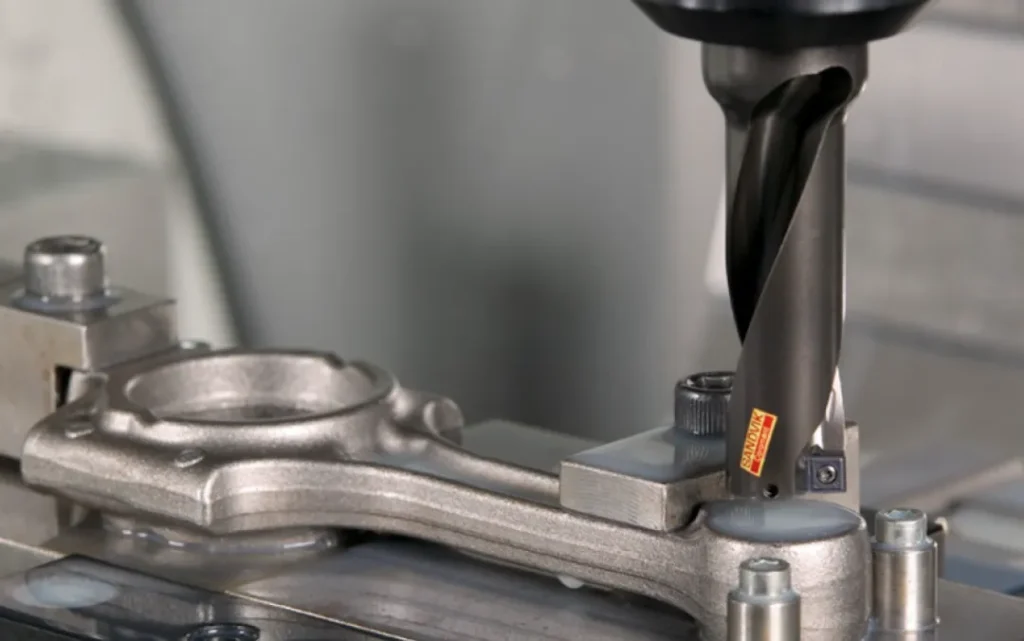
Five-axis machining allows a cutting tool to approach the workpiece from multiple angles without repositioning. This reduces the number of setups, improves positional accuracy, and enables complex geometries that would be difficult or impossible on a 3-axis machine. For polished parts, this matters because fewer setups mean fewer reference errors and more consistent surfaces.
A 5 axis machine can also maintain a more consistent tool engagement angle, which produces a more uniform surface before polishing begins. This reduces the amount of material that must be removed during polishing and lowers the risk of uneven material removal on curved surfaces.
However, 5 axis machining does not automatically produce a polished surface. The machine removes material efficiently, but the final finish still depends on post-processing. What 5 axis capability gives you is the ability to machine complex shapes accurately, so that polishing can be applied uniformly without distorting the geometry.
Common Materials and Their Polishing Behavior
Different materials respond to polishing differently. The table below summarizes typical behavior for materials commonly used in CNC machined parts.
Aluminum is the most common material for polished CNC parts because it polishes quickly and produces a bright, attractive surface. Stainless steel takes longer to polish but delivers a more durable and corrosion-resistant finish. Titanium is more difficult and typically requires specialized abrasives to avoid contamination.
Plastics like PEEK or acrylic can be polished but require care to avoid melting or smearing the surface. If your application involves polished 5 axis components in a medical or food-contact role, stainless steel is usually the safer choice.
Polishing Methods Used After CNC Machining
Several methods are used to polish machined parts. The right choice depends on the material, geometry, and required finish.
Mechanical polishing uses abrasive wheels, belts, or compounds to remove material progressively. It is the most common method and works well on flat or gently curved surfaces. The process typically moves from coarse grit to fine grit, finishing with a buffing compound.
Vibratory finishing uses a container of abrasive media that vibrates to deburr and smooth parts. It works well for small parts with complex shapes but produces a matte or satin finish rather than a mirror finish.
Electropolishing is an electrochemical process that removes a thin layer of material from the surface. It is used primarily on stainless steel and produces a clean, smooth, and passivated surface. It is not suitable for aluminum or copper alloys.
Media blasting can produce a uniform matte finish but is not a true polishing method. It is sometimes used as a pre-polish step or when a non-reflective surface is required.
For custom CNC milling parts with polished surfaces, most machine shops use mechanical polishing combined with vibratory finishing for complex geometries. You should ask your supplier which method they recommend for your specific part and material.
How Polishing Affects Tolerances and Fit
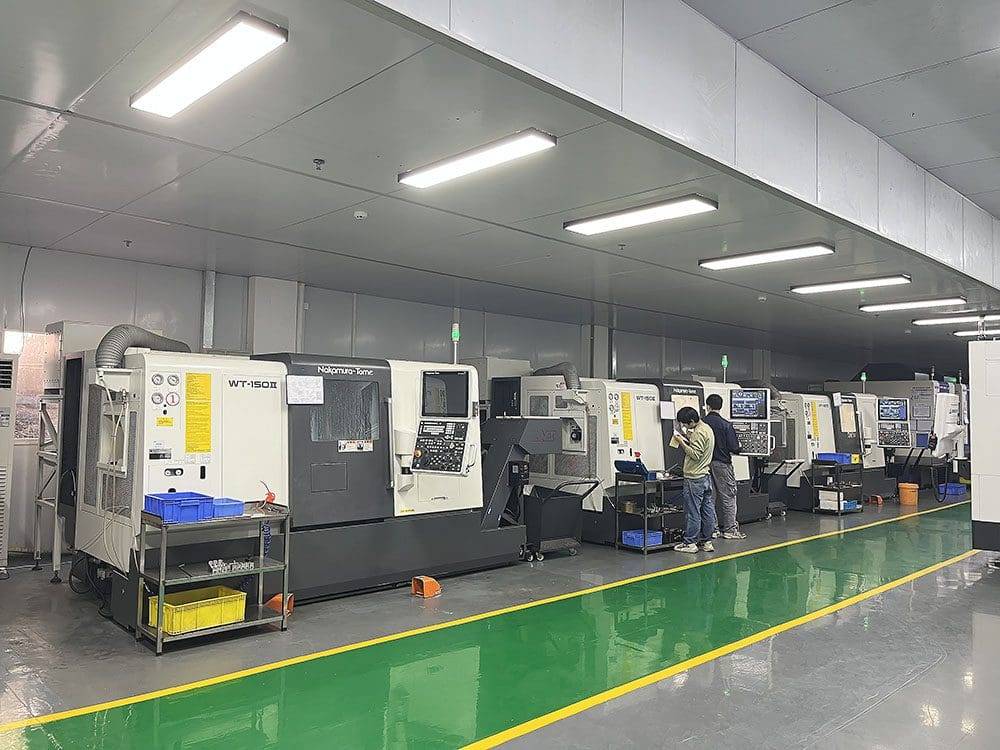
Polishing removes material from the surface. This is a critical point that is often overlooked. A polished surface is no longer at the exact dimension left by the cutting tool. Depending on the amount of material removed, tolerances can shift by several microns.
For tight tolerances, the machining process must account for the material that will be removed during polishing. This is typically done by leaving extra stock on polished surfaces, then measuring after polishing to confirm the final dimension. In practice, this means polished surfaces may have looser tolerances than machined-only surfaces.
If your part requires both a polished surface and a tight fit with another component, discuss this with your machine shop early. They may recommend selective polishing, where only certain areas are polished, or a two-step process that preserves critical dimensions. Polished finishes and tight tolerances can coexist, but they require careful planning.
Cost Factors You Should Expect
Polishing adds labor time and sometimes additional equipment costs. The table below outlines the main cost drivers you should consider when budgeting.
The most expensive finish is a true mirror polish on a large part. A satin or matte finish is significantly cheaper and may be perfectly acceptable for many applications. You should also consider whether the polished surface will be visible in the final assembly. If it is hidden, a machined finish may be sufficient.
Polishing cost for CNC parts varies significantly by supplier and region. Always request a quote based on your specific surface roughness requirement rather than asking for a generic “polished finish.”
Common Questions About Polished 5 Axis CNC Parts
What surface roughness can I expect from a polished CNC part?
A polished surface typically achieves Ra 0.2 to 0.8 µm, depending on the material and method used. Aluminum and brass polish more easily, while titanium and some plastics are harder to bring to a mirror finish. You should specify the exact Ra value on your drawing rather than relying on the word “polished.”
Can polishing remove machining marks completely?
Yes, polishing can remove tool marks if enough material is removed. However, deep tool marks from aggressive machining may require extra polishing time and material removal, which can affect tolerances. For best results, specify a finer machining pass on surfaces that will be polished.
Does polishing affect the corrosion resistance of the part?
Polishing can improve corrosion resistance by removing surface irregularities where corrosion can start. Electropolishing of stainless steel also forms a passivation layer that enhances corrosion resistance. However, polishing does not protect against all forms of corrosion, and material selection remains the primary factor.
How should I specify a polished finish on my drawing?
Use a surface roughness symbol with an Ra value, and indicate which surfaces require polishing. Add a note describing the desired appearance, such as “mirror finish” or “satin finish.” If you are unsure, ask your machine shop for a finish comparison sample before production.
Is polishing suitable for internal cavities and deep holes?
Internal features are difficult to polish mechanically. Vibratory finishing can help with small parts, but deep holes and narrow slots may remain at their machined finish. If internal surfaces must be polished, discuss this with your supplier early, as it may require specialized tooling or a different process.
How long does polishing add to the production lead time?
Polishing typically adds a few days to the production schedule, depending on part size, quantity, and finish level. Mirror finishes on large parts can add significantly more time. If your project has a tight deadline, ask your supplier for a lead time breakdown that includes finishing.
Questions Buyers Often Ask Before Ordering
Before you send your RFQ, you should have clear answers to the following questions. These will help you avoid surprises later.
Which surfaces require polishing, and what Ra value do you need?
Will the polished surface be visible or functional in the final assembly?
What is the acceptable tolerance on polished surfaces?
Does the material you selected polish well, or should you consider an alternative?
Have you requested a finish sample before committing to a full production run?
Sending a complete specification to your CNC supplier is the fastest way to get an accurate quote. Include your material, tolerance requirements, surface finish notes, and quantity. The more detail you provide, the fewer rounds of clarification your supplier will need.
Need Help Selecting the Right Finish?
Choosing the right polished finish for your custom 5 axis CNC machining milling parts does not have to be complicated. The key is to define your surface requirement clearly, understand how polishing affects cost and tolerances, and work with a machine shop that can advise you on the best approach for your material and application.
YPMFG supports projects that require polished finishes on complex 5 axis machined components. Our engineers can review your drawing, recommend the appropriate surface roughness, and help you balance appearance, function, and cost. You can send your specifications to YPMFG for an engineering review and a detailed quote that includes finishing recommendations.
If you are unsure whether your part needs a mirror finish or a simpler satin finish, ask us for guidance before you commit. A short conversation at the start of the project can save you time and money later.