This article provides a comprehensive, practical overview of metal products—their common types, industrial applications, manufacturing processes, and selection criteria. Whether you are an engineer, procurement professional, or business owner, you will find actionable information to make informed decisions. All data and recommendations are based on established industry standards and verifiable sources.
01What Are Metal Products? A Clear Definition
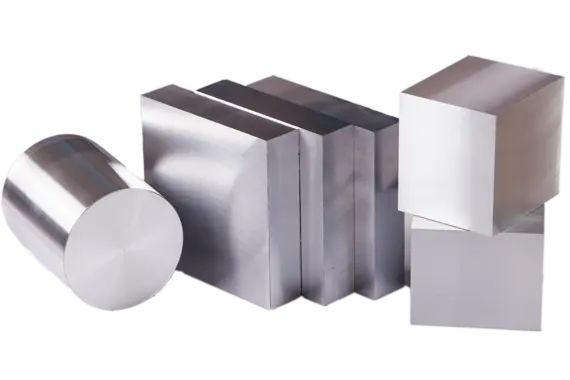
Metal products are finished goods or components manufactured from metallic materials through processes such as casting, forging, machining, stamping, or assembly. They range from raw forms like sheets, bars, and pipes to complex parts used in machinery, construction, electronics, and consumer goods.
For example, a steel beam in a building, an aluminum wheel on a car, and a copper wire in an electrical system are all metal products. Understanding their properties ensures correct application and longevity.
02Main Categories of Metal Products
Metal products fall into two broad categories based on material composition:
2.1 Ferrous Metal Products
Ferrous metals contain iron as the primary element. They are known for strength and magnetic properties.
Carbon Steel Products: Includes sheets, plates, pipes, and structural shapes. Used in bridges, buildings, and machinery.
Stainless Steel Products: Contains chromium for corrosion resistance. Common forms include tubes, fittings, and kitchen equipment.
Cast Iron Products: Engine blocks, pipes, and cookware. Excellent for compression strength.
Alloy Steel Products: Enhanced with nickel, chromium, or molybdenum for specific performance (e.g., tool steels for cutting).
2.2 Non-Ferrous Metal Products
These contain little to no iron. They resist corrosion and are often lighter or more conductive.
Aluminum Products: Extrusions, sheets, foils, and castings. Used in aircraft, window frames, and packaging.
Copper Products: Wire, tubing, and busbars. Preferred for electrical and plumbing systems.
Brass Products: An alloy of copper and zinc. Common in valves, fittings, and musical instruments.
Bronze Products: Copper-tin alloy. Bearings, bushings, and marine hardware.
Zinc Products: Galvanized coatings, die-cast parts. Protects steel from rust.
Verifiable source: ASM International () – Materials classification standards.
03Common Manufacturing Processes for Metal Products
The process used directly affects product quality, cost, and lead time. Below are the most widely used methods:
3.1 Casting
Molten metal is poured into a mold and solidified. Suitable for complex shapes.
Examples: Engine blocks, pump housings, valve bodies.
Typical materials: Cast iron, aluminum, bronze.
3.2 Forging
Metal is shaped using compressive force, often while hot. Produces strong, grain-aligned parts.
Examples: Crankshafts, hand tools, flanges.
Typical materials: Carbon steel, alloy steel, aluminum.
3.3 Machining
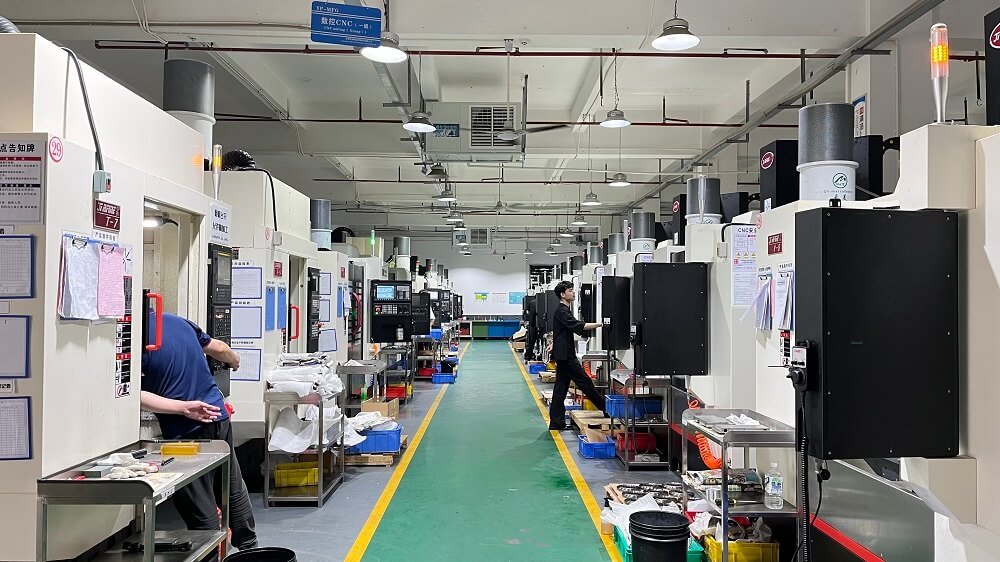
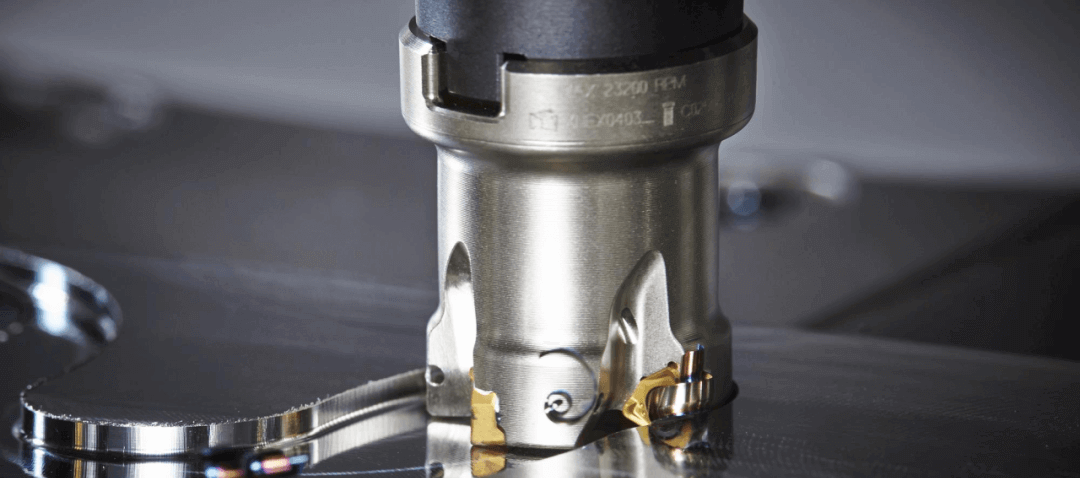
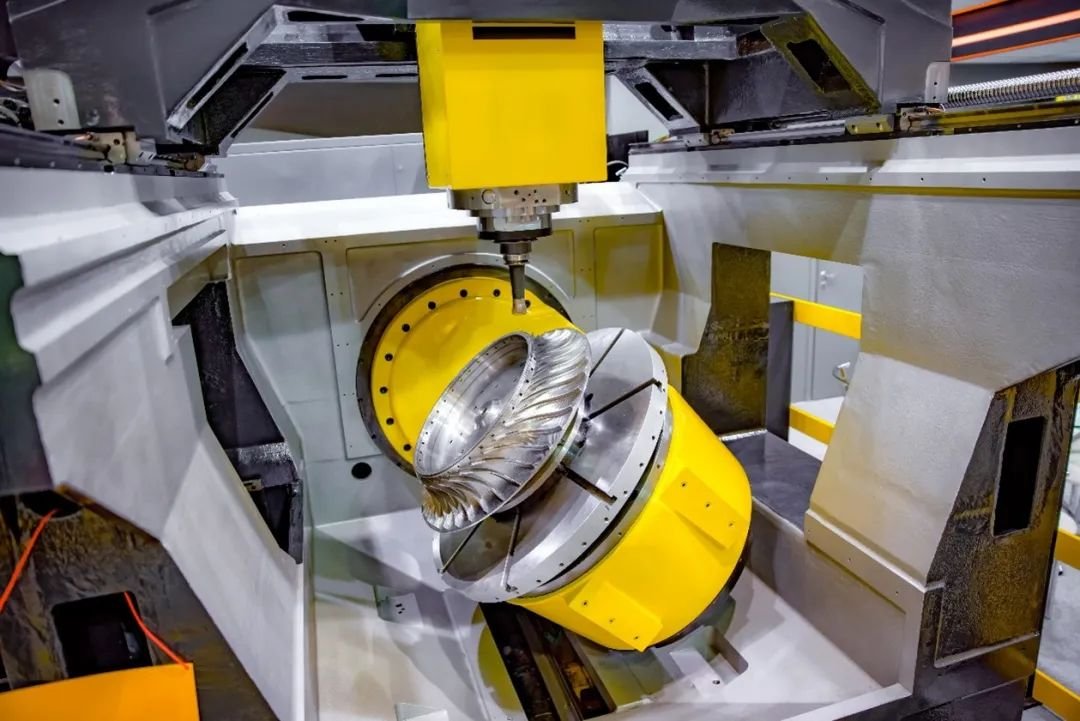
Removing material using lathes, mills, drills, or CNC equipment. High precision.
Examples: Threaded rods, gear blanks, custom brackets.
Typical materials: Almost all metals.
3.4 Sheet Metal Fabrication
Cutting, bending, and assembling thin metal sheets.
Examples: Enclosures, ductwork, automotive body panels.
Typical materials: Steel, stainless steel, aluminum.
3.5 Extrusion
Forcing heated metal through a die to create long, uniform cross-sections.
Examples: Aluminum window frames, heat sinks, rails.
Typical materials: Aluminum, copper, brass.
3.6 Powder Metallurgy
Compacting metal powders into shapes and sintering them. High volume, minimal waste.
Examples: Gears, bearings, filters.
Typical materials: Iron, stainless steel, copper alloys.
Verifiable source: Society of Manufacturing Engineers () – Process definitions.
04Key Selection Criteria for Metal Products
Choosing the correct metal product requires evaluating four primary factors. Use this checklist to avoid common failures.
4.1 Mechanical Properties
Strength (Tensile/Yield): How much load can it bear? For structural beams, use minimum yield strength of 36 ksi (250 MPa) for ASTM A36 steel.
Hardness: Resistance to indentation and wear. Use Rockwell or Brinell scales.
Ductility: Ability to deform without breaking. Critical for wires and deep-drawn parts.
Toughness: Resistance to impact. Important for railings and lifting equipment.
4.2 Environmental Compatibility
Corrosion Resistance: Stainless steel (grade 304 or 316) for outdoor or wet conditions. Galvanized steel for moderate humidity.
Temperature Range: Aluminum loses strength above 200°C (400°F). Nickel alloys handle 1000°C+.
UV and Chemical Exposure: Coatings or anodizing may be required.
4.3 Manufacturability
Weldability: Low-carbon steel welds easily. High-carbon and tool steels require preheating.
Machinability: Free-cutting brass and leaded steel are easy to machine. Pure titanium is difficult.
Formability: Aluminum 3003 is highly formable; 6061-T6 is less so.
4.4 Economic Factors
Material Cost per Unit: Carbon steel < Aluminum < Stainless steel < Copper < Titanium.
Tooling and Setup Costs: Casting requires high initial mold cost but low per-part cost at volume. Machining has low setup but higher per-part cost.
Lead Time: Stock sheet metal products (1-3 days). Custom forgings (4-8 weeks).
05Industry Standards and Certifications
To ensure safety and interchangeability, metal products must comply with recognized standards. Always request certification from suppliers.
Verifiable source: ASTM International () – Annual Book of Standards.
06Common Applications by Metal Product Type
Real-world examples help match products to needs.
Construction and Infrastructure
Rebar (carbon steel): Reinforces concrete foundations.
Structural steel (I-beams, channels): Skyscraper frames and bridges.
Galvanized steel decking: Roof and floor support.
Transportation
Aluminum sheet: Car body panels and aircraft fuselages.
Steel wheels and axles: Freight trains and heavy trucks.
Bronze bushings: Suspension pivot points.
Industrial Machinery
Cast iron machine bases: Absorb vibration in lathes and mills.
Hardened steel gears: Transmit power in gearboxes.
Stainless steel shafts: Food processing conveyors.
Electrical and Electronics
Copper busbars: Distribute power in switchgear.
Brass terminals: Corrosion-resistant connections.
Aluminum heat sinks: Cool LED lights and power transistors.
Plumbing and HVAC
Copper tubing: Water supply lines (Type L or M).
Steel pipes: Gas lines (black steel) or sprinkler systems.
Aluminum ductwork: Air conditioning distribution.
07Quality Control and Testing of Metal Products
Before accepting metal products, perform or request these standard tests. A case example: a construction firm once received steel beams with incorrect hardness. Tensile testing revealed yield strength 20% below specification, leading to a full replacement. The firm now requires mill test reports (MTRs) for every shipment.
7.1 Dimensional Inspection
Use calipers, micrometers, and CMM (coordinate measuring machines).
Tolerances: Typical machining ±0.005 inch (±0.13 mm). Casting ±0.030 inch (±0.76 mm).
7.2 Mechanical Testing
Tensile test (ASTM E8/E8M): Measures yield strength, ultimate tensile strength, elongation.
Hardness test (ASTM E18 Rockwell): Quick quality check.
Impact test (ASTM E23 Charpy): Ensures toughness at low temperatures.
7.3 Non-Destructive Testing (NDT)
Visual inspection: Surface defects like cracks or porosity.
Dye penetrant test: Finds surface cracks on non-porous metals.
Ultrasonic test: Detects internal voids or inclusions.
Magnetic particle test: For ferrous metals only.
7.4 Chemical Analysis
Optical emission spectrometry (OES) verifies alloy composition.
Example: Stainless steel 316 must contain 16-18% chromium and 2-3% molybdenum.
08Common Mistakes When Selecting Metal Products (And How to Avoid Them)
09Sustainability and Recycling of Metal Products
Metal products are highly recyclable without loss of properties. This is a verifiable advantage over plastics and composites.
Recycling rates: Steel (88%), aluminum (75%), copper (90%) – based on U.S. Geological Survey data.
How to source sustainable metal products:
1. Request recycled content certificates.
2. Choose suppliers with ISO 14001 (environmental management).
3. Prefer locally sourced metals to reduce transport emissions.
Example: Many aluminum extrusions now contain 70-80% post-consumer recycled material while meeting ASTM B221 standards.
10Step-by-Step: How to Specify and Order Metal Products
Follow this practical sequence to avoid errors:
Step 1: Define the application environment.
Indoor/dry, outdoor/humid, chemical exposure, temperature range.
Step 2: Select material and grade.
Example: For outdoor handrails → Stainless steel 304 or 316.
Step 3: Determine required form and dimensions.
Bar: diameter, length. Sheet: thickness, width, length. Pipe: nominal size, schedule.
Step 4: Specify manufacturing process and tolerances.
Machined to ±0.005 inch, or as-cast with ±0.030 inch.
Step 5: Request finishing and coatings.
Mill finish, polished, anodized (for aluminum), galvanized (for steel), or painted.
Step 6: Define testing and documentation.
Mill test report (MTR) per EN 10204 3.1 or 3.2.
Step 7: Choose a qualified supplier.
Check ISO 9001 certification. Request references for similar applications.
Step 8: Review and place order with a written specification sheet.
11Maintenance and Lifespan of Metal Products
Proper maintenance extends service life significantly.
Carbon steel (uncoated indoors): 20-30 years. Requires dry environment and occasional oiling.
Galvanized steel (outdoors): 50-70 years. Inspect coating every 10 years; touch up damaged areas.
Stainless steel (304): 50+ years in typical environments. Clean with mild detergent to maintain passivation layer.
Aluminum (anodized): 30-50 years. Rinse off salt deposits in coastal areas.
Copper (plumbing): 50-80 years. Avoid acidic water conditions (pH < 6.5).
12Frequently Asked Questions About Metal Products
Q1: What is the strongest commonly available metal product?
A: For tensile strength, alloy steel (e.g., 4340 heat-treated) exceeds 1800 MPa (260 ksi). For practical applications, hardened tool steel is among the strongest.
Q2: How do I identify an unknown metal product?
A: Use a magnet (ferrous sticks), spark test (grind and observe sparks), or hardness file. For precise identification, contact a local testing lab for OES analysis.
Q3: Can I weld stainless steel to carbon steel?
A: Yes,using a 309L stainless steel filler rod. However, the joint will have lower corrosion resistance than pure stainless steel.
Q4: What causes rust on “stainless” steel?
A: Surface contamination or low chromium content. Use grade 316 in marine environments. Remove rust with a citric acid passivation treatment.
Q5: Where can I find certified mill test reports?
A: Reputable suppliers provide MTRs that show heat number, chemical composition, and mechanical properties. Always request these before payment.
13Actionable Conclusion and Recommendations
Selecting and using metal products correctly requires matching material properties to real operating conditions. The three core principles to remember are:
1. Never substitute based on appearance alone. Verify mechanical and corrosion specifications against ASTM, SAE, or ISO standards.
2. Always request verifiable documentation. Mill test reports and third-party test certificates are your only proof of quality.
3. Factor in total life cost, not just purchase price. A cheap carbon steel part that fails in one year costs more than a proper stainless steel part that lasts 20 years.
Immediate actions you can take today:
Download the ASTM or ISO standards relevant to your most frequently used metal product.
Create a standard metal specification checklist based on Section 4 of this article.
Review your current inventory and verify any uncertified metal products through a testing laboratory.
By following this guide, you ensure safety, compliance, and long-term value from every metal product you specify or purchase. For any critical application, consult a licensed materials engineer and refer to the latest official standards.