
Quick answer:
CNC steel refers to the use of computer numerical control machining to cut, shape, and finish steel components with high precision. It is the preferred manufacturing method for parts that require tight tolerances, consistent repeatability,and compatibility with various steel grades such as 1018, 4140, and stainless steel. Applications range from automotive brackets to hydraulic fittings and medical device frames. Choosing the right steel grade, machine setup, and finishing process directly affects part strength, corrosion resistance, and total project cost.
Steel remains one of the most widely used materials in CNC machining because of its strength, durability, and versatility. However, not all steel grades machine the same way, and buyers often face challenges around material selection, lead time, and cost control. Understanding how CNC steel machining works and what factors influence quality can help you make better sourcing decisions.
What Is CNC Steel Machining?
CNC steel machining uses computer-controlled tools to remove material from a steel workpiece to achieve a desired shape and surface finish. The process works with both carbon steel and alloy steel grades, each offering different mechanical properties.
Common steel grades used in CNC machining include:
1018 carbon steel – good weldability, suitable for general-purpose parts
4140 alloy steel – higher strength, used for shafts and gears
12L14 free-machining steel – excellent machinability, ideal for high-volume runs
304 and 316 stainless steel – corrosion resistant, used in food and medical applications
The choice of grade depends on the part’s end-use environment, load requirements, and surface treatment needs.
Key Factors That Affect CNC Steel Part Quality
Part quality in CNC steel machining is not only about machine accuracy. Several factors determine whether a part meets specifications:
Material hardness – harder steels reduce tool life and increase cycle time
Cutting speed and feed rate – incorrect settings cause surface defects or dimensional drift
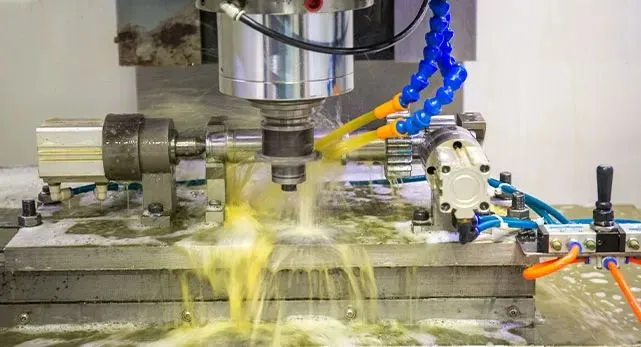
Coolant type – affects heat dissipation and chip evacuation
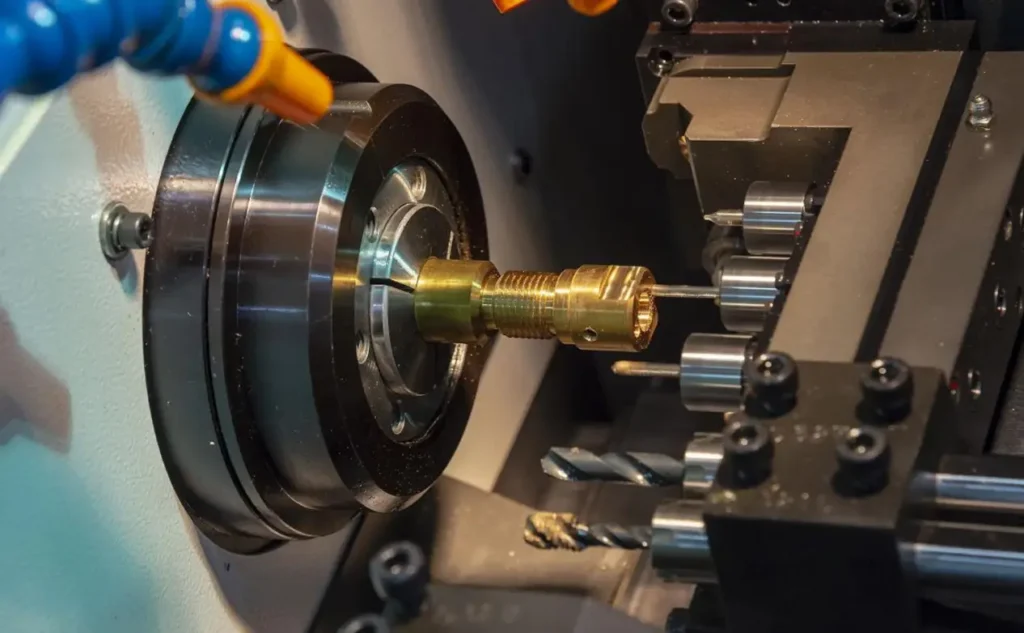
Tolerance requirements – tighter tolerances may require multiple passes or secondary operations
A common mistake is selecting a steel grade based only on cost. Lower-cost grades may cause excessive tool wear or poor surface finish, increasing overall production cost.
CNC Steel vs. Aluminum: When to Choose Steel
Steel and aluminum are the two most common materials in CNC machining. The choice between them depends on mechanical requirements.
Steel is the better choice when part strength, wear resistance, or heat tolerance is critical. Aluminum works well when weight reduction and faster machining are priorities.
How to Select the Right Steel Grade for CNC Machining
Choosing the correct steel grade for your CNC steel part requires evaluating three main areas:
1. Mechanical load – Will the part experience static or dynamic stress?
2. Environmental exposure – Will it face moisture, chemicals, or high temperatures?
3. Post-machining treatment – Does the part need plating, coating, or heat treatment?
For example, a hydraulic manifold operating under high pressure typically requires 4140 steel for its strength and fatigue resistance. A decorative bracket may only need 1018 steel with a simple black oxide finish.
YPMFG works with customers to evaluate these factors before production begins. Sending your part specifications for review can help identify the most cost-effective steel grade and machining approach.
Surface Finishes for CNC Steel Parts
Steel parts often require surface treatment to improve corrosion resistance or appearance. Common finishes include:
Black oxide – adds mild corrosion protection, maintains dimensions
Zinc plating – cost-effective corrosion resistance
Nickel plating – harder surface, better wear resistance
Passivation – used for stainless steel, removes surface contaminants
Powder coating – adds thickness, suitable for visible parts
The finish should be selected based on the operating environment and whether the part will be exposed to moisture, chemicals, or friction.
Cost Factors in CNC Steel Machining
The cost of a CNC steel part is influenced by more than material price. Key cost drivers include:
Material grade – specialty alloys cost more and may reduce tool life
Part complexity – deep cavities, thin walls, and tight corners increase machining time
Tolerance range – ±0.001 inch requires slower speeds and more inspection
Quantity – higher volumes reduce per-part setup cost
Surface finish – additional finishing steps add labor and cycle time
Requesting a custom quote with detailed specifications allows the machining provider to identify cost-saving opportunities without compromising quality.
Common Questions About CNC Steel Machining
Can all steel grades be CNC machined?
Most steel grades can be machined, but machinability varies. Free-machining steels like 12L14 cut easily, while harder grades like D2 tool steel require specialized tooling and slower speeds.
What is the typical tolerance for CNC steel parts?
Standard tolerances range from ±0.005 inch to ±0.001 inch. Tighter tolerances are possible but increase machining time and inspection cost.
Does CNC steel machining produce a smooth surface finish?
Yes. Surface finishes from 63 to 32 microinches Ra are common. For smoother finishes, secondary processes like grinding or polishing may be needed.
How long does it take to machine a steel part?
Lead time depends on part complexity, quantity, and material availability. Simple parts can be machined in days, while complex parts with multiple setups may take several weeks.
Is stainless steel harder to machine than carbon steel?
In many cases, yes. Stainless steel generates more heat and work-hardens faster, which reduces tool life. Proper coolant and tool selection are essential.
Can steel parts be heat treated after CNC machining?
Yes. Many steel parts are machined in a softer state and then heat treated to achieve higher hardness. This sequence helps maintain dimensional accuracy.
What industries use CNC steel parts most frequently?
Aerospace, automotive, oil and gas, medical devices, and industrial equipment all rely on CNC steel components for structural and mechanical applications.
How do I get a quote for CNC steel machining?
You can send your part drawings, material requirements, and quantity to YPMFG for an engineering review and pricing estimate. Including tolerance and finish specifications helps speed up the process.
Choosing the Right CNC Steel Partner for Your Project
Selecting the right machining partner for CNC steel parts goes beyond comparing price. You need a provider who understands material behavior, tooling limitations, and the impact of design choices on cost and lead time.
YPMFG offers CNC machining services for a wide range of steel grades, from standard carbon steel to specialty alloys. Whether you need a single prototype or a production run, their team can review your specifications, recommend the most suitable material and finish, and provide a clear quote.
To get started, send your part drawings and requirements for a custom quote and engineering assessment.