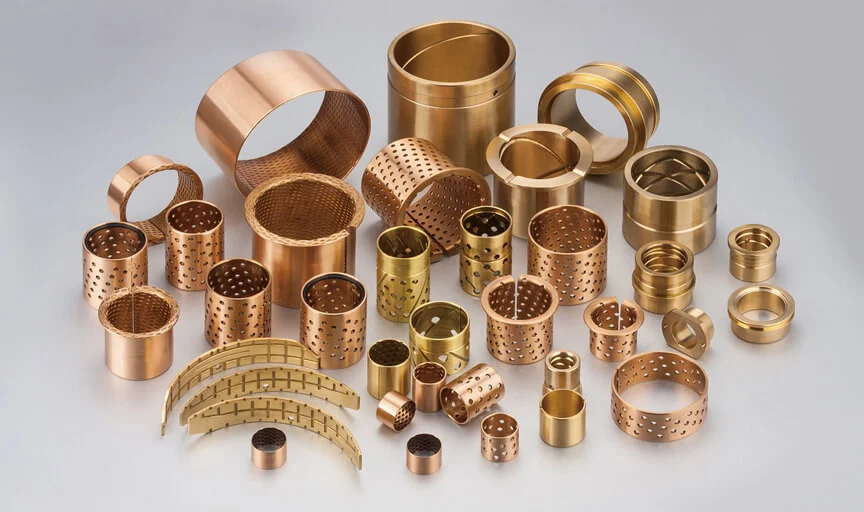
Quick answer: Custom CNC turned parts are cylindrical components manufactured on a lathe to meet your specific drawing or sample requirements. When ordering them, you should confirm the material grade, dimensional tolerance, surface finish, and inspection documentation before production begins. The right combination of these four factors determines whether the part will perform reliably in your application. At YPMFG, we work with buyers who need production-quality turned components and can review your drawings or specifications before you commit to a order.
Every buyer of CNC lathe machining services faces the same question: how do you make sure the parts you receive match what you actually need? The problem is rarely the machine itself. It is usually a gap in communication between the design intent and the manufacturing output.
This article breaks down what you should verify when sourcing custom CNC turned parts. You will learn which parameters matter most, how they affect cost and lead time, and where mistakes typically happen. YPMFG supports buyers at every stage, from engineering evaluation to final documentation, so you can move forward with confidence.
Choosing the Right Material for CNC Turned Parts
Material selection is the first decision that shapes everything else. The wrong choice can cause premature wear, poor machinability, or unnecessary expense.
For CNC turned parts, the most commonly used materials include aluminum alloys, stainless steels, carbon steels, brass, and engineering plastics. Each material brings different strengths. Aluminum offers light weight and good corrosion resistance. Stainless steel provides strength and durability in harsh environments. Brass machines cleanly and conducts heat well.
You should match the material to your functional requirement, not just your budget. A component exposed to moisture may need stainless steel even if aluminum looks cheaper on paper. Material selection guide is a practical tool when you are unsure where to start.
YPMFG engineers can review your application and recommend materials that fit your performance needs and production volume.
Understanding Tolerance Requirements
Tolerance defines how much variation is allowed from your nominal dimension. Tighter tolerance usually means higher cost and longer lead time, not just better quality.
CNC turned parts can typically hold tolerances in the range of ±0.005 inches or better, depending on the material and feature complexity. Features like tight bore diameters, fine threads, or small grooves often require closer control than external profiles.
Before specifying tolerance, ask yourself what level of fit your assembly actually requires. Over-specifying tolerance is one of the most common reasons buyers pay more than necessary. A precision CNC parts supplier should challenge your drawing when the tolerance seems unrealistically tight for the given geometry.
Clear tolerance markings on your drawing prevent misunderstandings. If you need help interpreting whether your GD&T callouts are realistic, YPMFG offers free engineering evaluation before quoting.
Surface Finish Standards for Turned Components
Surface finish affects how a part performs in contact with other components. It also influences corrosion resistance, fatigue life, and aesthetic appearance.
Standard CNC turning operations typically produce a surface finish between 125 and 250 microinches Ra. If your design requires a smoother surface, additional processes such as grinding, polishing, or abrasive blast finishing may be needed. Each additional step adds cost and time.
The table above shows that most functional surfaces fall within the standard turning range. Only seal and bearing interfaces usually require secondary finishing.
When reviewing your drawing, verify that the surface finish callout matches the actual function of each diameter or face. Mismatched finish requirements are a frequent source of rework.
Quality Documentation You Should Request
Professional CNC manufacturing services provide documentation that proves the part meets your specification. This documentation is not optional for regulated industries.
At a minimum, you should expect a first article inspection report, material certificates, and a dimensional inspection record. For aerospace or medical applications, additional traceability and process documentation may be required.
A complete inspection package includes measured results against each critical dimension, not just a pass or fail stamp. This gives you visibility into how consistently the part was produced.
YPMFG includes standard documentation with every shipment and can provide additional reports when your project requires them.
CNC Turning vs CNC Milling: Knowing the Difference
Many buyers confuse turning with milling because both use CNC machines. Understanding the difference helps you specify the right process and avoid unnecessary cost.
CNC turning creates cylindrical or rotational parts by removing material from a rotating workpiece. It is ideal for shafts, bushings, pins,sleeves, and any part with radial symmetry.
CNC milling creates prismatic parts by moving a rotating cutter across a stationary workpiece. It is better suited for blocks, plates, brackets, and parts with complex pockets or non-symmetrical features.
Some components combine both processes. A turned shaft may require milled keyways or cross holes. When your part has mixed geometry, discuss the process plan with your supplier early.
A clear understanding of CNC turning vs milling helps you communicate your intent accurately and reduces the chance of a manufacturer choosing the wrong approach.
Factors That Affect Cost and Lead Time
The price of custom CNC turned parts is shaped by several variables beyond the raw material cost.
Material cost is only one component. Machining time depends on part geometry, tolerance tightness, and surface finish requirement. Batch size changes the per-unit cost significantly, since setup time is spread across more pieces. Secondary operations such as threading, knurling, heat treating, or surface coating add to the total.
Lead time follows the same pattern. Simple parts in common materials can ship in days. Custom materials, tight tolerances, or multiple secondary operations extend the schedule.
YPMFG provides competitive pricing based on a detailed review of your drawing, and we flag any cost drivers before you approve the order.
Why Sample Testing Matters Before Full Production
Sample testing is one of the most reliable ways to catch problems early. It lets you verify fit, function, and appearance before committing to a full run.
Most buyers request a small batch of samples, also called first article or prototype lots, before authorizing mass production. This step is especially important when you are working with a new supplier or introducing a new part into an existing assembly.
Sample testing checks dimensions against your drawing, validates surface finish, and confirms material performance under real conditions. If something does not match, you can request a design adjustment before the machine runs at volume.
YPMFG offers sample testing and prototype runs for projects that require validation before full production.
Common Questions Buyers Ask
What file formats do CNC turned parts suppliers accept?
Most suppliers accept PDF drawings, native CAD files such as STEP or IGES, and occasionally DXF. A clear 2D drawing with GD&T is usually sufficient for turning projects.
Can I trust a supplier without physical factory visits?
Yes, if the supplier provides documented quality processes, inspection reports, and references. Many buyers evaluate suppliers through samples and first article reports before visiting in person.
How long does shipping usually take for custom turned parts?
Domestic shipping often takes one to two weeks after production. International shipping adds two to four weeks depending on the destination and method.
What happens if the parts arrive out of tolerance?
Reputable suppliers will rework or replace non-conforming parts at their expense. Always confirm the corrective action policy before placing your order.
Is it worth paying more for tighter tolerance?
Only if your assembly or performance requirement demands it. Unnecessary tight tolerance increases cost without improving function.
How do I specify a thread on a turned part?
Include the thread size, pitch, class, and length on your drawing. Specify whether the thread is internal or external, and whether it requires a special gauge or inspection method.
Need Help Selecting the Right CNC Turned Parts?
Choosing the right custom CNC turned parts comes down to clear specifications, realistic tolerance goals, and a supplier who understands your application. The steps outlined above give you a practical checklist to follow before you place your order.
If you have a drawing, a sample, or even a rough idea of what you need, YPMFG can review it and provide an engineering evaluation with material recommendations, tolerance assessments, and a transparent quote. Sending your specifications for review is a low-commitment way to confirm that your project is feasible and priced fairly before production begins.