
Quick answer:
CNC milling is a subtractive manufacturing process that uses rotating cutting tools to remove material from a workpiece and create precise parts. It is ideal for metal and plastic components requiring tight tolerances, complex geometries, or high surface quality. The cost depends on material hardness, part complexity, tool paths, and post-processing needs. For reliable results, you should verify machine capabilities, material certifications, and dimensional accuracy before placing an order.
Manufacturers and engineering teams often face challenges when selecting the right CNC milling service for production. Parts may fail inspection due to improper tolerances, unexpected surface finishes, or material inconsistencies. Some buyers also struggle with hidden costs that arise from additional operations like anodizing, heat treatment,or secondary machining. These issues can delay projects and increase total ownership expenses.
The core problem is not just finding a machine shop, but ensuring the selected provider understands your design intent and can deliver consistent quality across batches. This requires clear communication about CNC machining specifications, realistic lead times, and proper quality control documentation.
What Is CNC Milling and How Does It Work?
CNC milling, also known as computer numerical control machining, uses pre-programmed software to control the movement of cutting tools and workpieces. The process removes material layer by layer to achieve the desired shape and dimensions. Unlike manual milling, CNC milling offers repeatability and precision that are essential for modern manufacturing.
The machine typically includes a spindle, cutting tools, a worktable, and a control system. The spindle rotates the cutting tool at high speeds while the workpiece is secured on the table. The control system follows G-code instructions to move the tool along multiple axes. Most standard machines operate on three axes, while advanced models offer five-axis capability for complex geometries.
Understanding this process helps you evaluate whether a supplier has the right equipment for your project. You should ask about machine types, axis configurations, and tooling options before committing to a production run.
Common CNC Milling Materials and Their Applications
Material selection is one of the most critical decisions in the CNC milling process. Different materials behave differently during machining and affect tool wear, surface finish, and part strength.
Aluminum alloys are the most commonly used materials due to their excellent machinability and lightweight properties. They are ideal for aerospace, automotive, and consumer electronics components. Steel and stainless steel offer higher strength and durability but require more powerful machines and specialized tools. Brass and copper are used for electrical components and decorative parts because of their conductivity and aesthetic appeal.
Plastics such as PEEK, ABS, and Delrin are popular for prototyping and low-volume production. They are easy to machine and provide good chemical resistance. However, they may not withstand high temperatures or heavy loads.
When choosing a material, you should consider mechanical requirements, environmental exposure, and budget constraints. Incorrect material selection can lead to premature failure or unnecessary cost increases.
CNC Milling Tolerances and Surface Finish Standards
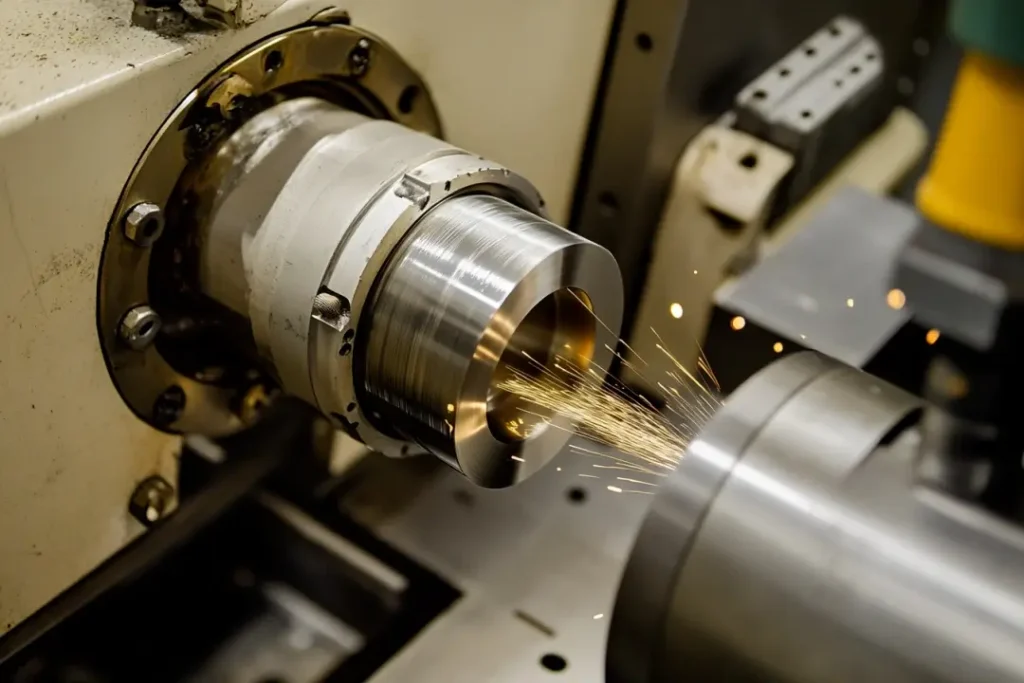
Precision requirements vary significantly across industries. Medical devices often demand tolerances within ±0.025 mm, while general industrial parts may accept ±0.1 mm or looser tolerances. Understanding these differences is essential for accurate quoting and production planning.
Surface finish is equally important. Roughness values are typically measured in Ra (average roughness) or Rz (average peak-to-valley height). Common finishes include mill finish, bead blast, anodizing, and polishing. Each option affects both appearance and functionality.
You should always specify tolerance and surface finish requirements in your design files. Ambiguous specifications can result in parts that do not meet your application needs.
Key Factors That Affect CNC Milling Costs
Several variables influence the final price of CNC milled parts. Material cost is usually the baseline, but machining time, tool wear, and setup complexity often have a larger impact on the total quote.
Part geometry plays a major role. Simple shapes with large stock removal are cheaper to produce than intricate designs with deep pockets, thin walls, or tight internal corners. Each additional feature may require special tools, longer cycle times, or secondary operations.
Order quantity also affects pricing. Prototypes and low-volume runs typically carry higher per-unit costs due to setup fees and machine calibration. High-volume production benefits from economies of scale and optimized tool paths.
Other cost drivers include post-processing requirements, quality inspection needs, and packaging specifications. A complete quote should itemize these factors so you can make informed decisions.
How to Choose the Right CNC Milling Service Provider
Selecting a reliable supplier requires more than comparing prices. You need a partner who can handle your technical requirements and maintain consistent quality.
Start by reviewing the provider’s equipment list and machine capabilities. Ask about spindle speeds, travel ranges, and tool magazine capacity. A shop with modern 3-axis and 5-axis machines can handle a wider range of geometries.
Material expertise is another important factor. A qualified supplier should understand the machining characteristics of different metals and plastics. They should also be able to recommend appropriate cutting parameters and tool coatings.
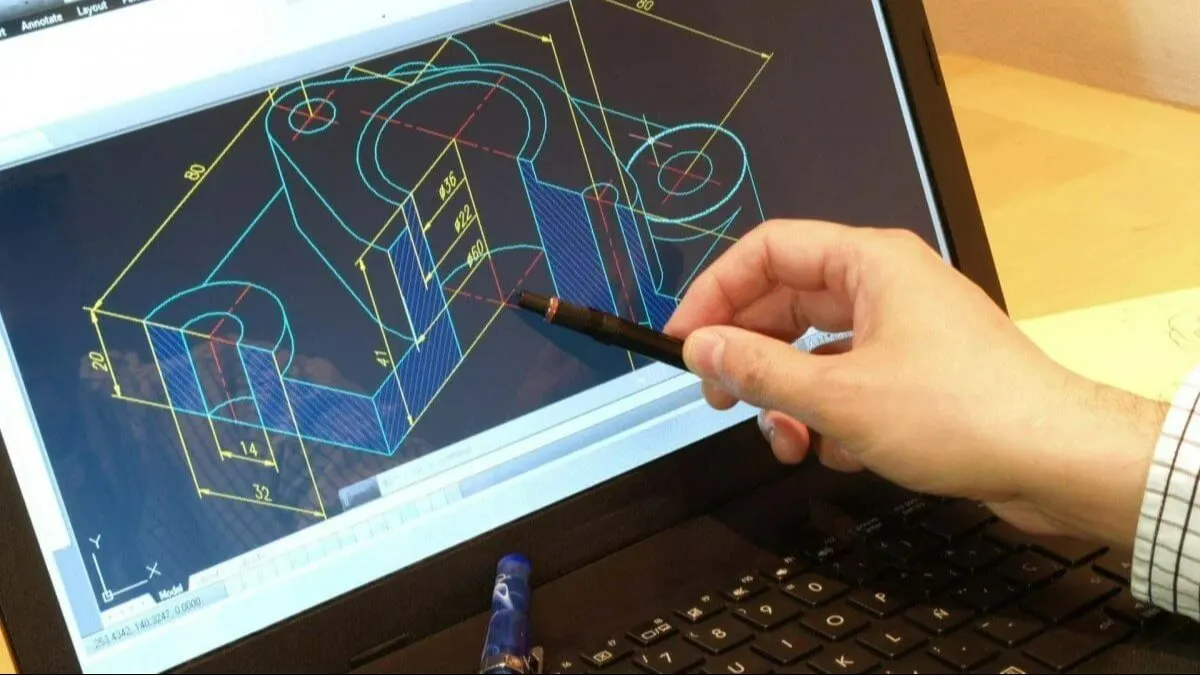
Quality control processes should be clearly documented. Ask about inspection equipment, measurement methods, and certification standards. First article inspection reports and material traceability are essential for regulated industries.
Common Mistakes to Avoid When Designing for CNC Milling
Design for manufacturability (DFM) is crucial for successful CNC parts manufacturing. Many projects encounter delays or cost overruns because designers overlook basic machining constraints.
One frequent mistake is specifying impossibly tight tolerances on non-critical features. This increases production time and cost without adding functional value. You should only require tight tolerances where they matter for assembly or performance.
Another common error is designing internal corners with sharp angles. Cutting tools are cylindrical and cannot create sharp internal corners. You should add fillets or reliefs to reduce tool wear and simplify machining.
Deep cavities and thin walls also pose challenges. Deep pockets require long tools that may deflect or vibrate. Thin walls can deform during clamping or cutting. You should consult with your manufacturer early in the design phase to optimize these features.
Comparison of 3-Axis and 5-Axis CNC Milling
Choosing between 3-axis and 5-axis CNC milling depends on your part complexity and production volume. Each option has distinct advantages and limitations.
3-axis milling is suitable for simpler geometries and high-volume production. The workpiece is fixed on the table, and the tool moves along the X, Y, and Z axes. This method is cost-effective and widely available.
5-axis milling allows the tool to approach the workpiece from multiple directions in a single setup. This reduces handling time and improves accuracy for complex shapes. It is ideal for aerospace, medical, and automotive components with intricate features.
The decision should be based on part geometry, tolerance requirements, and budget. A detailed discussion with your manufacturer can help determine the most efficient approach.
Practical Questions Before Choosing CNC Milling Services
Buyers often have specific concerns when sourcing CNC machining services. Addressing these questions early can prevent misunderstandings and ensure smooth project execution.
What information do I need to provide for an accurate quote?
You should submit CAD files, material specifications, quantity requirements, tolerance needs, and surface finish expectations. Additional details about post-processing and packaging will also help the supplier prepare a complete proposal.
How long does typical production take?
Lead times vary based on part complexity, material availability, and order volume. Simple prototypes may ship within a few days, while complex production runs can take several weeks. Always confirm timelines before finalizing your order.
Can you handle redesigns or engineering changes?
Most reputable suppliers offer DFM feedback and can accommodate design modifications. Early communication about potential improvements can reduce costs and improve part quality.
What quality documentation will I receive?
You should expect inspection reports, material certificates, and dimensional verification records. These documents are essential for compliance and traceability in regulated industries.
Making a Better Long-Term Decision
Choosing the right CNC milling service requires balancing technical capability, quality assurance, and cost efficiency. A supplier with strong engineering support can help you optimize designs, select appropriate materials, and avoid common manufacturing pitfalls.
YPMFG supports projects that require precision CNC parts manufacturing and can assist with custom machining solutions. You can send your specifications to YPMFG for review and receive detailed feedback on design feasibility, material selection, and production timelines.
Requesting a quote or engineering assessment is a low-risk way to evaluate a supplier’s capabilities. It allows you to compare proposals, clarify requirements, and make an informed decision before committing to production.