Quick answer:
A CNC milling cutter is a rotating cutting tool used in CNC milling machines to remove material from a workpiece. The right cutter choice directly affects part accuracy, surface finish, machining time, and tool life. Selection depends on material, geometry, coating, and operation type.
Choosing the right CNC milling cutter is not just about picking a tool off the shelf. Many machine shops face inconsistent surface finish, premature tool wear, or excessive cycle times simply because the cutter geometry or coating does not match the workpiece material. For engineers and procurement professionals working with CNC machining services, understanding how cutter specifications influence cost, quality, and repeatability is essential to avoid expensive trial-and-error.
What Is a CNC Milling Cutter?
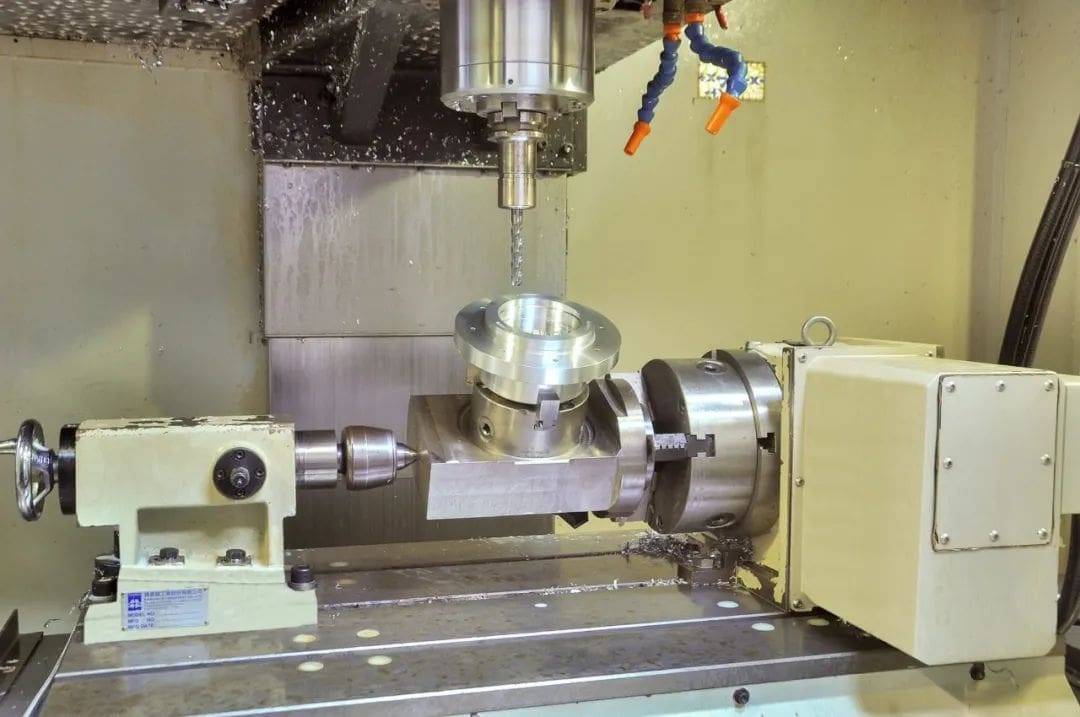
A CNC milling cutter is a rotary tool with one or more cutting edges. It is held by a spindle and moves along multiple axes to remove material from a workpiece. The cutter’s geometry, material, and coating determine its performance in specific applications.
Milling cutters are used for operations such as face milling, contouring, slotting, drilling, and profiling. The same cutter may perform differently in steel, aluminum, titanium, or plastics. Selecting the correct cutter directly impacts cycle time, tool wear, and surface quality.
Common Types of CNC Milling Cutters
Each type serves a different purpose. For example, a ball nose mill is preferred for curved surfaces, while a face mill is more efficient for flat areas. Matching the cutter type to the operation reduces tool changes and improves throughput.
Key Specifications to Compare
When evaluating a CNC milling cutter, focus on these measurable parameters:
Number of flutes: Fewer flutes (2) allow better chip evacuation in soft materials; more flutes (4+) improve finish in harder materials.
Helix angle: Higher angles (45°) reduce cutting forces; lower angles (30°) provide stronger cutting edges.
Cutting diameter and length: Must match the depth of cut and clearance requirements.
Shank diameter: Determines tool holder compatibility and rigidity.
Coating: Affects heat resistance, wear life, and friction.
These specifications directly influence tool life and surface finish. A mismatch here often leads to chatter, poor tolerance, or tool breakage.
Material and Coating Selection Guide
The workpiece material determines the cutter substrate and coating. Using the wrong combination can cause rapid wear or chemical adhesion.
For high-temperature alloys, coatings like AlTiN provide thermal stability. For non-ferrous materials, uncoated cutters often perform better by avoiding built-up edge. YPMFG supports projects that require precise cutter selection based on the specific workpiece material and tolerance requirements.
How Cutter Choice Affects Machining Cost
Tool cost is only one part of the equation. The wrong CNC milling cutter increases total machining cost through:
Frequent tool changes: Worn cutters require replacement, increasing downtime.
Slower feed rates: Inefficient cutting requires reduced speeds to maintain finish.
Rework or scrap: Poor surface finish or out-of-tolerance parts add cost.
Longer cycle times: Incorrect geometry forces multiple passes.
A slightly more expensive cutter that lasts longer and runs at higher feeds often reduces the cost per part. Engineering review of cutter specifications before production helps avoid hidden costs.
Common Mistakes When Selecting Milling Cutters
Using a general-purpose end mill for finishing: Finishing requires tighter tolerances and sharper edges.
Ignoring flute count for chip evacuation: Fewer flutes are better for soft, gummy materials; more flutes for hard materials.
Selecting coating based only on color: Coating performance depends on substrate and application, not appearance.
Overlooking tool holder compatibility: A rigid holder is as important as the cutter itself.
Choosing based only on price: Cheaper cutters often wear faster and produce inconsistent results.
Each mistake can lead to longer cycle times or quality issues. Sending your specifications to YPMFG for evaluation helps identify the correct cutter type and machining parameters before production begins.
Questions Buyers Often Ask About CNC Milling Cutters
What is the difference between a 2-flute and 4-flute end mill?
A 2-flute end mill has larger chip clearance and is better for soft materials like aluminum. A 4-flute end mill provides a finer finish and is suitable for harder materials like steel, but requires better chip evacuation.
How do I choose the right coating for my material?
For steels, TiAlN coatings offer heat resistance. For aluminum, uncoated or DLC-coated cutters reduce built-up edge. For titanium, AlTiN coatings provide wear resistance at high temperatures.
Can I use the same cutter for roughing and finishing?
It is possible but not ideal. Roughing cutters are designed for high material removal, while finishing cutters prioritize surface quality and tolerance. Using separate tools improves both efficiency and result.
What causes premature tool wear?
Common causes include incorrect feed and speed, improper coating, insufficient coolant, or a rigid setup. Wear patterns can indicate whether the issue is thermal, mechanical, or chemical.
How does cutter diameter affect machining?
Larger diameters allow higher material removal rates but require more spindle power. Smaller diameters enable finer detail but may deflect under load. The correct diameter balances productivity and part geometry.
Do I need a different cutter for stainless steel?
Yes. Stainless steel work-hardens and generates heat. A carbide cutter with an AlTiN coating and a higher helix angle is typically recommended to manage these challenges.
What should I check before ordering custom cutters?
Verify the required diameter, flute length, shank size, coating, and tolerance. If your part has deep cavities or tight corners, provide a 3D model or drawing to the cutter supplier for confirmation.
How often should I replace a milling cutter?
Replace when surface finish degrades, cutting forces increase, or visible wear appears on the cutting edge. Monitoring tool life per batch helps plan replacements without disrupting production.
Choosing the Right CNC Milling Cutter for Your Project
Selecting the correct CNC milling cutter reduces cycle time, improves part quality, and lowers overall production cost. The decision involves matching geometry, substrate, and coating to the workpiece material and operation type. YPMFG provides engineering support to help buyers evaluate cutter options, review machining feasibility, and confirm specifications before production. If you are unsure which cutter fits your application, send your part drawings or requirements to YPMFG for a technical review and tailored recommendation.