
Quick answer:
CNC metal forming primarily uses precision rolls or dies (CNC roll forming, CNC press braking) to shape sheet or plate. It is ideal for high-volume, consistent profiles, complex geometries, long runs, corrosion-resistant materials, and tight tolerance applications compared to single-stroke stamping or manual bending. However, wrong tool life calculations, material springback mismanagement, or poor line integration can ruin production economics.
Most manufacturing headlines focus on subtractive machining, but shaping metal into precise forms is costlier with poor precision. Hidden costs and quality risks in sheet metal transformation often dictate project success, not initial purchase price.
Table of Contents
1. Why CNC Forming Benefits Long-Run Production
2. Key Processes and Equipment Explained
3. Critical Material Factors and Their Impact
4. How Geometry and Tolerance Define Cost
5. Applications and Industry-Specific Purposes
6. Main Cost Drivers and Avoiding Hidden Expenses
7. Non-Value Risks and Mitigation Strategies
8. Essential Questions Before Finalizing a Supplier
9. Choosing a Partner for Your Next Forming Project
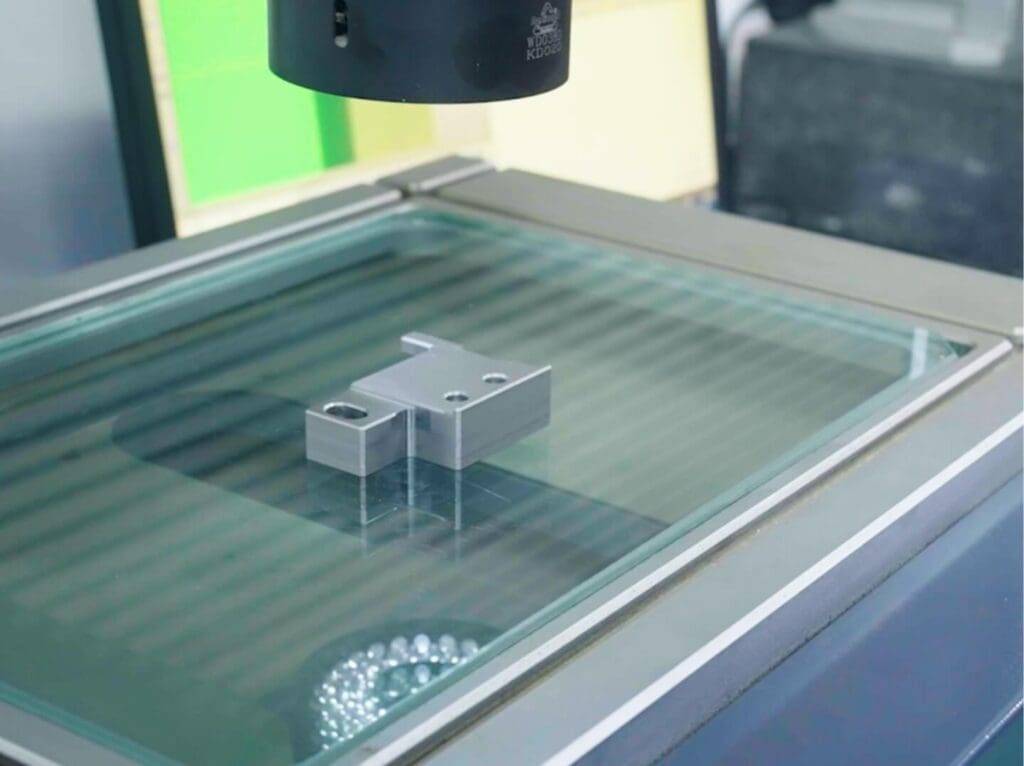
011. Why CNC Forming Benefits Long-Run Production
Manual bending is not repeatable for hundreds of parts. CNC metal forming centers achieve consistent shape, angle, and radius across thousands of cycles. The initial engineering and tooling have a fixed cost. Yet, amortized unit cost drops dramatically after the breakeven point.
Check variable repeatability in the production plan before approving tooling budgets. A wrong process selection will cause infinite bottlenecks. Advanced CNC integration reduces setup time between batches and improves overall equipment effectiveness. This directly impacts project-scale cost efficiency.
022. Key Processes and Equipment Explained
The two most common methods are CNC roll formers and CNC press brakes. CNC roll forming uses a progressive series of contoured rolls to create continuous, complex cross-sections from coil stock. CNC press braking uses a programmable punch and V-die to make discrete,precise bends in plate or sheet.
A vertical transfer press is single-stroke gear. A roll forming lines owns a continuous flow of material in bands. Simpler structures are formed in sections. Complex geometries need material-specific staging. Incorrect staging leads to material fatigue and eventual failure.
033. Critical Material Factors and Their Impact
Material composition is more than grade selection. The springback effect forces material to partially return to its original shape. Wrong compensation algorithms will destroy final spec. High-strength steels, aluminum alloys, and stainless grades each have unique formability limits.
Their bend allowances and minimum bend radii differ for wide margins. Ignoring specific material selection criteria during the initial application design is a common mistake proper engineering can prevent. YPMFG can review your material specifications against your finished geometry requirements.
044. How Geometry and Tolerance Define Cost
Simplicity often hides higher costs. A simple L-bracket with multiple tight-radius bends may need multiple tool changes. A complex cross-section roll-formed in one pass might be surprisingly economical, especially at high volumes. Wall thickness combinations affect equipment selection.
Tolerances define precision manufacturing costs. Industry standard ±0.5mm is often sufficient for structural applications. ASTM A653 specifications for a tighter line require sequential partner adjustments. Engineering review can identify where tolerances directly inflate your CNC profile budget.
055. Applications and Industry-Specific Purposes
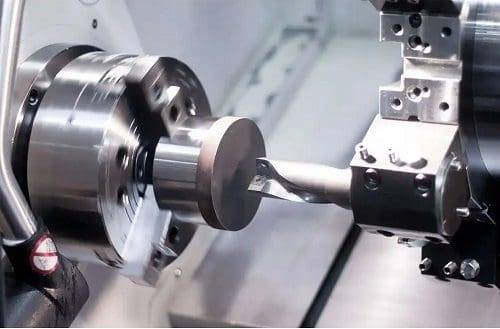
What is yellow enterprise gear? CNC roll forming shines in production scale for continuous profiles like roofing panels, framing sections, and automotive trim. What is discreet component scale? Precision press braking is used for cabinet enclosures, chassis, brackets, and support frames.
Heavy equipment, construction, switchgear, and transportation all use these processes. The goal is part complexity combined with manufacturing volume. A custom solution from YPMFG analyzes your part file to determine the optimal forming method for your project lifecycle.
Look at total annual volume to decide action steps.
066. Main Cost Drivers and Avoiding Hidden Expenses
The visible cost drivers are impressive now. The true cost factors are hidden in the details of the crucial process. This is full of unit economics. The material cost is the baseline. Yet, tooling cost, direct labor, setup time, auxiliary shop operations, and secondary processing all pile up.
Scrap generation is life. Its cost efficiency is a function of the width of the coil used. False tool life estimates will cause a downstream production shift. Requesting scheduled maintenance logs from potential suppliers can reveal hidden spending risks before they hit your budget.
077. Non-Value Risks and Mitigation Strategies
What is the brilliant surface finish? It is instantly compromised by poor lubrication. What is the perfect chill? It is distorted by uncontrolled heat generation. High-speed roll forming cracks brittle materials. The most common risk is unchecked springback.
The main risk mitigation strategy is a dedicated engineering review. Compared to proven test, this is far more effective. Sending material samples and part drawings to YPMFG for a feasibility analysis can validate your process assumptions before committing to production tooling trials.
088. Essential Questions Before Finalizing a Supplier
What is your standard qualification procedure for new tool steel?
Choose a supplier with rigorous metallic metallurgy testing. Inadequate tool hardness will reduce production by thousands of units.
How do you validate and compensate for material springback?
Concrete evidence of in-house finite element analysis (FEA) or empirical testing is required.
Can you integrate secondary operations like punching or notching inline?
In-line integration reduces handling and drastically improves total cost.
What is the typical lead time from tooling design to sample parts?
A realistic, multi-dimensional timeline plus contingency planning is a sign of operational maturity.
What is your documentation process for tool maintenance and replacement?
Clear, proactive maintenance schedules are essential for long-term production stability.
How do you handle non-conforming material from your coil supplier?
A solid material certification verification process prevents undetected quality flaws.
099. Choosing a Partner for Your Next Forming Project
Project success for a custom sheet metal part requires a partnership. The right supplier will question your specs, suggest alternatives, and highlight potential downstream risks. A calculated approach is needed to sort through promotional claims.
Send your detailed specification to YPMFG for a formal engineering review. Our team can provide a production method analysis, a detailed cost breakdown, and a full-sized drawing. Start your next CNC metal forming project with all the technical clarity needed for a confident, low-risk final decision.