
Quick answer:
CNC machine turning is a subtractive manufacturing process where a cutting tool removes material from a rotating workpiece to produce cylindrical parts. It is widely used for shafts, bushings, flanges, and threaded components in industries such as automotive, aerospace, and medical devices. The process offers high repeatability, tight tolerances, and excellent surface finishes. However, achieving these results depends on the machine’s rigidity, the toolpath strategy, and the material being cut. Buyers should understand how turning differs from milling and what specifications matter for part quality and cost.
If you are evaluating suppliers for turned parts, the core challenge is not whether CNC turning can produce your geometry — it is whether the process will deliver consistent results at an acceptable cost over production volumes. Many buyers focus only on unit price and miss the hidden risks tied to tool wear, setup time, material waste, and tolerance drift. Understanding these factors upfront helps you make better sourcing decisions.
What Is CNC Machine Turning?
CNC machine turning is a machining process controlled by computer numerical code. The workpiece spins at high speed while a stationary cutting tool moves along multiple axes to remove material. This method is primarily used for parts with rotational symmetry.
Unlike manual lathe operations, CNC turning offers automated control over feed rate, spindle speed, and tool positioning. This reduces human error and improves repeatability across batches. Most modern CNC turning centers also support live tooling, which allows milling and drilling operations without repositioning the part.
How Does CNC Turning Compare to CNC Milling?
Many engineers choose between turning and milling based on part geometry. Turning is ideal for round parts, while milling handles prismatic shapes. But the two processes also differ in cutting mechanics, chip formation, and cycle time.
For parts that combine round and flat features, many shops use multi-axis CNC turning centers with live tooling. This eliminates secondary operations and shortens lead times.
Key Specifications That Affect Part Quality
When reviewing a CNC turning supplier, do not rely solely on machine count or brand name. The real indicators of capability are machine rigidity, spindle power, and control system accuracy.
Spindle speed and torque determine what materials can be cut efficiently. High-torque spindles are required for stainless steel and titanium, while high-speed spindles benefit aluminum and plastics.
Turret capacity affects how many tools can be used in a single cycle. More tools reduce changeover time and enable complex parts in one setup.
Coolant system design influences chip evacuation and thermal stability. Poor coolant delivery leads to built-up edge and surface defects.
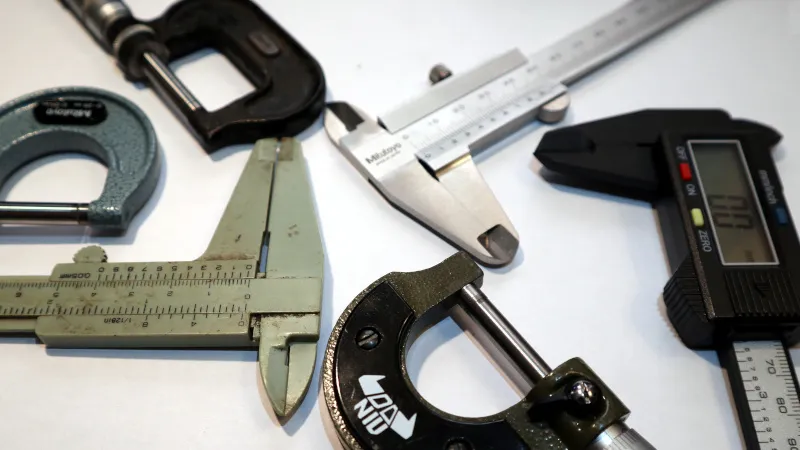
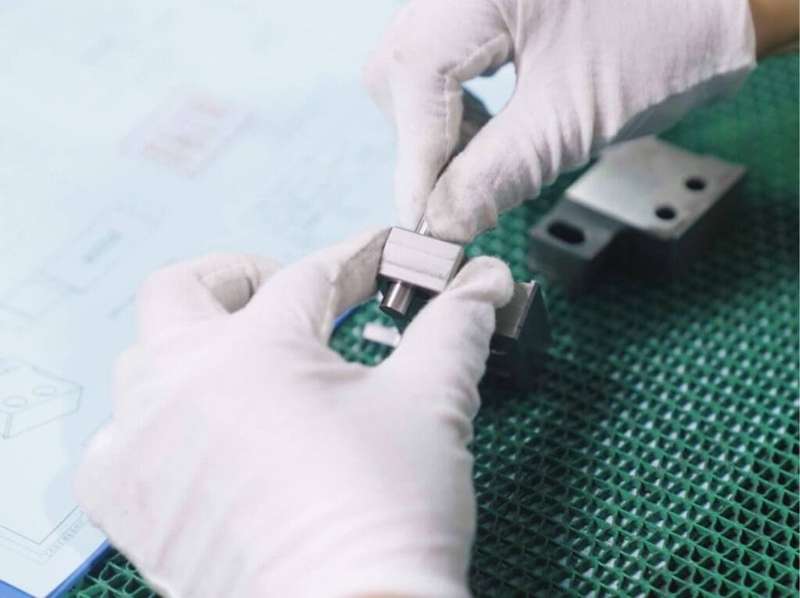
Inspection equipment matters as much as the turning machine itself. A shop using CMMs, micrometers, and surface testers can verify tolerances in real time.
YPMFG supports buyers by reviewing these specifications against your part requirements before quoting. This reduces the risk of mismatched machine capabilities.
Materials Commonly Used in CNC Turning
The most common CNC turning materials fall into three categories:
Aluminum alloys (6061, 7075): Fast cutting, good finish,lightweight. Common in aerospace and electronics.
Steel grades (1018, 4140, 12L14): High strength, good machinability. Used in shafts, gears, and bushings.
Stainless steels (303, 304, 316): Corrosion resistant but harder to cut. Requires rigid setups and sharp tooling.
Other materials include brass, copper, titanium, and engineering plastics such as Delrin and PEEK. Each material affects tool life, cycle time, and surface finish differently. Your supplier should be able to recommend toolpath strategies and coolant choices based on the material selected.
Common Questions About CNC Machine Turning
Is CNC turning the same as CNC lathing?
Yes. The terms are often used interchangeably. CNC turning is the broader technical term, while CNC lathing refers to the same process performed on a lathe.
Can CNC turning produce internal threads?
Yes. CNC turning centers can cut internal threads using single-point threading tools or thread milling attachments, depending on the machine’s turret and live tooling capabilities.
What tolerance can CNC turning achieve?
Standard CNC turning achieves tolerances of ±0.005 in. With tighter process control and higher-end machines, tolerances of ±0.0005 in are possible. Always confirm tolerance requirements with your supplier before production.
Does CNC turning work for small batch quantities?
Yes. CNC turning is suitable for both prototyping and production. Setup time is the primary cost factor for small batches. Quick-change tooling and standardized workholding can reduce this overhead.
How does material hardness affect turning?
Harder materials increase tool wear, require slower cutting speeds, and reduce surface finish quality. For hardened steels, some shops use hard turning with CBN or ceramic inserts instead of grinding.
What is the difference between OD and ID turning?
OD turning removes material from the outside diameter of the workpiece. ID turning (boring) removes material from the inside diameter. Both operations can be performed in the same setup using the correct tool holders.
Can CNC turning produce non-round features?
With live tooling and C-axis control, modern turning centers can mill flats, keyways, slots, and drilled holes. This eliminates the need for a secondary milling operation.
How do I choose between Swiss turning and conventional turning?
Swiss turning is better for long, slender parts with tight tolerances. Conventional turning is more cost-effective for shorter, thicker parts. The choice depends on the part’s length-to-diameter ratio.
Cost Factors in CNC Turning Projects
The price of a turned part depends on more than material weight. The following factors typically drive cost:
Cycle time: Longer cuts, multiple passes, and slow speeds increase machine time.
Tooling cost: Special inserts, custom form tools, and boring bars add expense.
Setup and programming: Complex geometries require more programming hours and trial cuts.
Tolerance requirements: Tight tolerances demand slower feeds and more inspection time.
Quantity: Higher volumes spread setup cost across more parts, lowering per-unit price.
Buyers often overlook the cost of secondary operations such as deburring, heat treating, or coating. These should be discussed during the quoting phase. You can send your specifications to YPMFG for a detailed breakdown that includes all processing steps.
Choosing the Right CNC Turning Partner
The best approach is to match your part requirements with a supplier whose equipment, material experience, and quality system align with your needs. Start by asking about their typical tolerance range, inspection methods, and experience with your chosen material.
If your parts require documentation such as material certificates, first article inspection reports, or PPAP, confirm availability early. Many suppliers offer these as standard, but some charge extra.
For buyers evaluating multiple options, YPMFG provides engineering reviews that identify potential cost savings or quality risks before production begins. This helps you make a more informed decision without committing to a large order.
Contact YPMFG with your part drawings or 3D models to receive a project-specific evaluation and quote. Their team can also advise on material selection, tolerance optimization, and tooling strategies to improve both quality and cost.