
Quick answer:
A CNC fraise, or CNC milling cutter, is the rotary cutting tool used in CNC milling machines to remove material from a workpiece. The choice of fraise directly affects machining speed, surface finish, tool life, and overall part cost. Different geometries, coatings, and materials suit different workpiece materials and operations. Selecting the wrong fraise can lead to poor surface quality, excessive tool wear, or even machine damage. Understanding the key parameters—such as flute count, helix angle, coating, and shank type—helps buyers make informed decisions for their specific applications.
CNC milling is one of the most widely used subtractive manufacturing processes across industries like aerospace, automotive, medical devices, and industrial equipment. Yet many procurement engineers and manufacturing managers face a recurring challenge: selecting the right CNC fraise for a given job. The wrong choice can mean scrapped parts, delayed deliveries, or inflated tooling budgets. This article explains the types, selection criteria, and practical considerations for choosing a CNC fraise that matches your production requirements.
1. What Is a CNC Fraise?
A CNC fraise is the cutting tool used in CNC milling machines. It rotates at high speed and removes material from a workpiece through linear and contouring movements. Unlike a drill, which moves primarily along the Z-axis, a CNC fraise can cut in multiple directions.
The tool’s geometry, material, and coating determine its performance. Common types include end mills, face mills, ball nose cutters, and roughing cutters. Each type is designed for specific operations such as slotting, profiling, contouring, or finishing.
Choosing the correct CNC fraise is essential for achieving tight tolerances, good surface finish, and efficient cycle times. A mismatched tool can cause chatter, poor chip evacuation, or premature failure.
2. Common Types of CNC Fraises
End Mills
End mills are the most versatile CNC fraises. They cut with both the tip and the sides. They are used for slotting, profiling, and plunging. They come in square, ball nose, and corner radius variants.
Face Mills
Face mills have multiple inserts and are used for large flat surfaces. They provide high material removal rates and good surface finish. They are typically used for roughing and semi-finishing operations.
Ball Nose Cutters
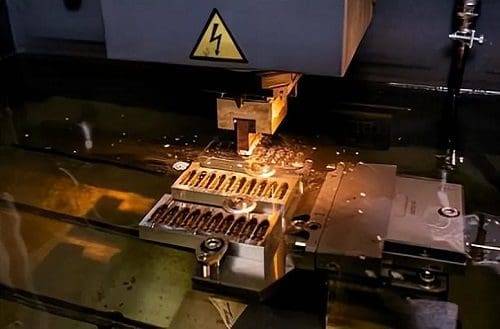
Ball nose cutters have a rounded tip. They are ideal for 3D contouring, mold making, and complex surface machining. They produce smooth finishes on curved surfaces.
Roughing Cutters
Roughing cutters, also called hog mills, have serrated edges. They remove large amounts of material quickly. They are used in initial stock removal before finishing.
Drill Mills
Drill mills combine drilling and milling capabilities. They are useful for operations that require both hole making and contouring in a single setup.
Selecting the correct type depends on your part geometry, material, and required surface finish. A [CNC fraise] that matches the operation reduces cycle time and tooling cost.
3. Key Selection Criteria for CNC Fraises
Flute Count
Flute count affects chip evacuation and surface finish. Two-flute tools are good for softer materials like aluminum. Four-flute tools are better for harder materials like steel. More flutes improve finish but reduce chip clearance.
Helix Angle
Standard helix angles range from 30° to 45°. Higher helix angles reduce cutting forces and improve finish. They are preferred for softer materials. Lower helix angles provide stronger cutting edges for harder materials.
Shank Type
Shank diameter must match the tool holder. Common shank types include straight, Weldon, and side lock. Precision collets and hydraulic chucks provide better runout control.
Coating
Coatings reduce friction and wear. TiN, TiAlN, and AlTiN are common. TiAlN performs well in high-temperature applications. AlTiN is harder and suitable for abrasive materials.
Overall Length
Longer tools are more prone to deflection. Use the shortest possible length for the application. For deep cavities, consider extended reach tools with reduced cutting forces.
A careful review of these parameters helps avoid common issues like tool breakage, poor surface finish, or excessive cycle time. [YPMFG] frequently assists buyers in matching tool specifications to their specific part requirements.
4. Material and Coating Considerations
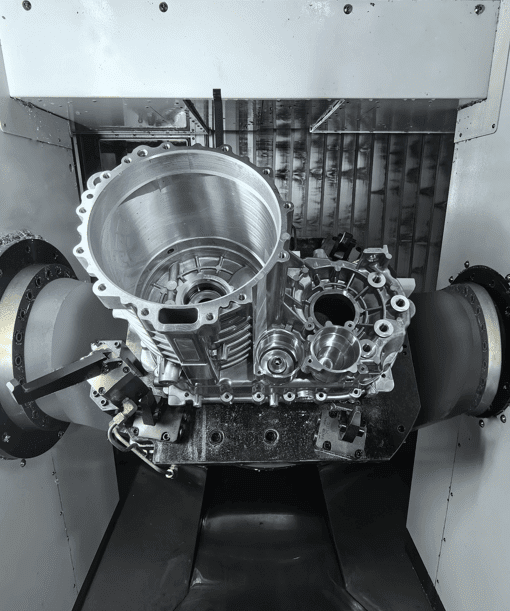
The workpiece material directly influences the choice of CNC fraise geometry and coating.
Aluminum: Use high-helix, two-flute end mills with polished flutes for chip evacuation. Uncoated or TiB2 coatings work well.
Steel and Stainless Steel: Use four-flute or more end mills with TiAlN or AlTiN coatings. Higher hardness grades require stronger edge preparation.
Titanium and Superalloys: Use variable helix end mills with AlTiN or AlCrN coatings. Reduce stepover and maintain constant chip load.
Plastics and Composites: Use single-flute or two-flute cutters with sharp edges. Diamond-coated tools reduce wear in abrasive composites.
Coating selection impacts tool life and cutting speed. A mismatched coating can cause built-up edge, poor surface finish, or thermal damage. Always verify coating compatibility with the workpiece material.
5. Cost Factors and Hidden Risks
The unit price of a CNC fraise is only one part of the total machining cost. Factors that influence overall cost include:
Tool life: A cheaper tool that wears quickly increases changeover time and scrap.
Cycle time: A tool that cuts faster reduces machine hours and labor cost.
Surface finish: A tool that requires secondary finishing adds process steps.
Tool inventory: Managing multiple tool types increases storage and procurement complexity.
Hidden risks include:
Chatter and vibration: Poor tool selection leads to poor surface quality and potential part rejection.
Tool deflection: Long or thin tools may cause dimensional errors in tight tolerance features.
Incorrect coating: Wrong coating may cause chemical reaction with the workpiece or rapid wear.
Incompatible tool holder: Runout from mismatched shank and holder reduces tool life and accuracy.
Buyers should evaluate total cost per part rather than tool price alone. [YPMFG] can help review your current tooling performance and recommend alternatives that improve consistency and reduce waste.
6. Questions Buyers Often Ask About CNC Fraises
What is the difference between a CNC fraise and a drill bit?
A drill bit is designed for axial cutting only. A CNC fraise can cut axially and laterally. It can produce slots, profiles, and complex shapes. A drill bit is limited to hole making.
How do I choose the right number of flutes?
For soft materials like aluminum, use two flutes to allow better chip evacuation. For harder materials like steel, use four or more flutes to improve finish and reduce vibration. More flutes generally mean better surface finish but less chip clearance.
Can I use a CNC fraise for drilling?
Some end mills can plunge, but they are not designed for deep hole drilling. For precise holes, use a drill or a dedicated drill mill. Plunging with an end mill may cause tool deflection or breakage.
How does coating affect tool performance?
Coating reduces friction, heat, and wear. TiAlN is suitable for high-temperature machining. AlTiN offers higher hardness. Uncoated tools work well for non-ferrous materials like aluminum. Coating selection depends on workpiece material and cutting speed.
What causes tool chatter and how can I avoid it?
Chatter is caused by vibration between the tool and workpiece. It can be reduced by using a shorter tool, increasing feed rate,reducing spindle speed, or using a variable helix geometry. Also check tool holder runout.
How often should I replace a CNC fraise?
Replace the tool when you notice increased cutting forces, poor surface finish, or dimensional deviations. Regular inspection and tool life tracking help prevent scrap and machine damage.
Can I resharpen a CNC fraise?
Some end mills can be resharpened, but performance may vary. Resharpening reduces diameter and may affect tolerances. For high-precision work, replace with a new tool.
How do I match a CNC fraise to a specific material?
Check the tool manufacturer’s material group recommendation. Match flute count, helix angle, and coating to the material hardness and machinability. For difficult materials, consider custom tool geometries.
7. Choosing the Right CNC Fraise for Your Application
Selecting the correct CNC fraise is a decision that affects machining efficiency, part quality, and tooling budget. Start by defining your part material, geometry, tolerance requirements, and production volume. Then evaluate tool type, flute count, coating, and shank compatibility.
A systematic approach reduces trial and error. Review tooling data from reliable sources, request sample testing when possible, and consult with engineers who understand your specific application.
If you are currently evaluating your CNC milling tooling or need help matching a CNC fraise to your part requirements, you can send your specifications to [YPMFG] for an engineering review. Their team can assess your application, recommend suitable tooling, and provide a quote tailored to your production needs.


