CNC EDM (Electrical Discharge Machining) machines are precision tools that use controlled electrical sparks to erode conductive materials, enabling complex shapes and tight tolerances that traditional cutting cannot achieve. This guide covers how they work, key advantages, common applications, and practical selection criteria—helping you make an informed decision without relying on brand names.
01How CNC EDM Machines Work
A CNC EDM machine removes material by generating rapid, controlled electrical discharges between an electrode (tool) and the workpiece, both submerged in a dielectric fluid (typically deionized water or oil). The sparks create intense heat (up to 12,000°C), melting and vaporizing microscopic particles from the workpiece.
Two primary types:
Wire EDM : Uses a thin, continuously moving brass or coated wire as the electrode. Ideal for cutting through thick plates, creating dies, punches, and intricate contours.
Sinker EDM (Ram EDM) : Uses a pre-shaped electrode (graphite or copper) that sinks into the workpiece to produce blind cavities, molds, and sharp internal corners.
02Core Advantages Over Conventional Machining
Based on real-world shop floor experience, CNC EDM offers distinct benefits:
Example : A mold maker needed to produce cooling channels with 0.3 mm slots in hardened P20 steel. Conventional milling broke end mills after three passes. Switching to a wire EDM completed all slots within ±0.005 mm in one setup, with no burrs and a mirror-like surface finish.
03Common Applications (Real-World Cases)
Injection mold cavities : Sinker EDM creates complex 3D shapes with polished surfaces, eliminating hand finishing.
Extrusion dies : Wire EDM cuts intricate die openings with consistent land lengths, improving aluminum profile quality.
Gear and spline cutting : Wire EDM produces prototype gears from hardened D2 tool steel in hours instead of weeks.
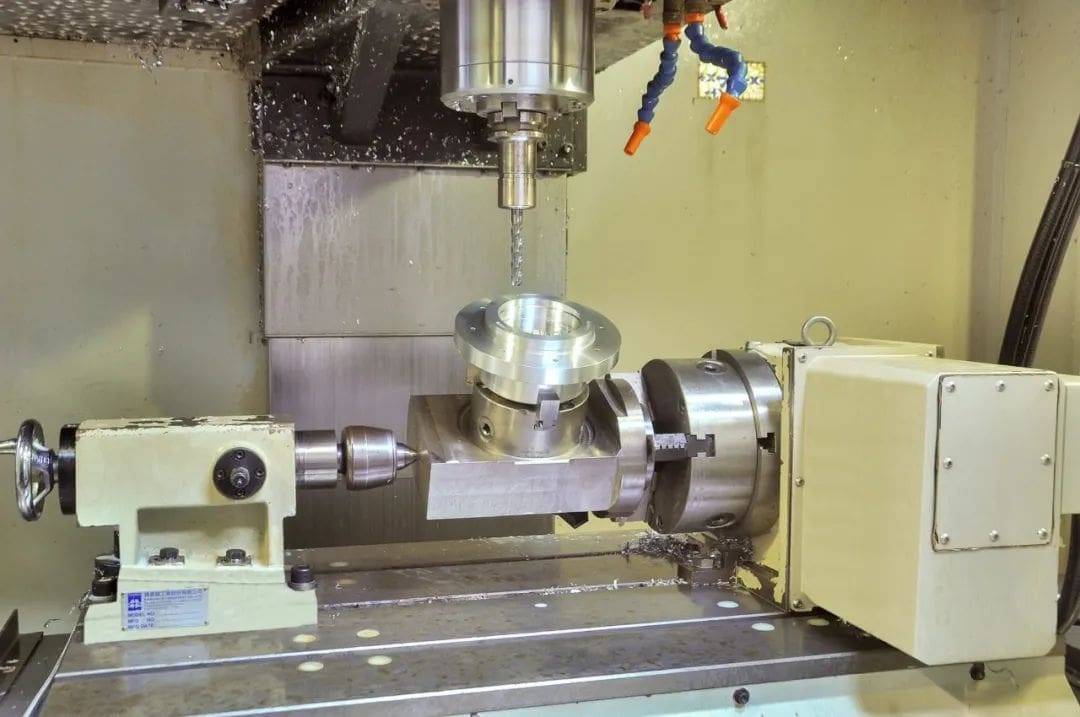
Medical devices : Titanium bone screws with internal hex drives are roughed on a lathe, then EDM finishes the hex socket to exact ISO standards.
Aerospace components : Cooling holes in turbine blades (diameter 0.2 mm, angled 30°) are drilled using small-hole EDM (drill EDM) without thermal damage to the parent material.
04Key Selection Criteria for CNC EDM Machines
When evaluating a CNC EDM purchase, focus on these objective factors:
A. Machine Accuracy and Repeatability
Check manufacturer-stated positioning accuracy (ISO 230-2 standard) – aim for ≤ ±0.003 mm for precision work.
Thermal compensation system: Essential for maintaining accuracy over long runs.
B. Power Supply and Generator Technology
Modern transistorized pulse generators offer finer surface finishes (Ra <0.1 µm) and faster roughing.
Adaptive control automatically adjusts parameters to avoid arcing or wire breakage.
C. Workpiece and Travel Capacities
X/Y/Z travel must accommodate your largest part plus 20% margin.
Wire EDM: Maximum workpiece height (often 200–400 mm for standard machines). Taper cutting angle (up to ±30° typical).
D.Dielectric System
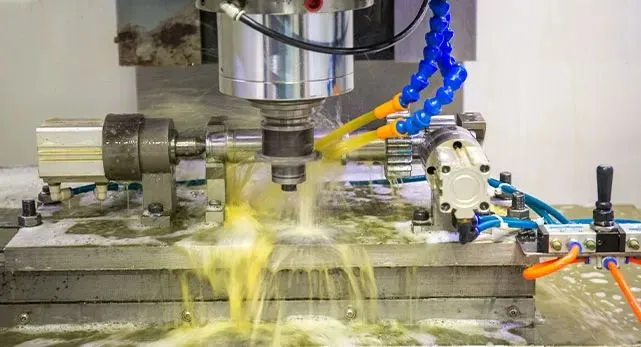
Deionization circuit and filtration fineness (5 µm or better) directly impact surface quality.
Automatic wire threading for untended operation – critical for lights-out manufacturing.
E. CNC Control and Software
User-friendly interface with EDM-specific cycles (eg, automatic retraction, multi-pass finishing).
G-code compatibility and DXF/CAD import for offline programming.
05Operational Best Practices (Avoid Common Mistakes)
From field observations, many users face the same issues. Here's how to avoid them:
06Cost of Ownership & ROI Reality
A typical mid-range CNC EDM machine (eg, 400 mm travel, 30 A generator) costs between $60,000 and $150,000 new. However, the real cost drivers are:
Consumables : Wire ($20–50 per spool), filters ($100–300 each), dielectric fluid ($300–800 per change), electrodes (graphite blocks $5–20 per cubic inch).
Maintenance : Annual service ($3,000–7,000) including pump seals, contactor checks, and axis calibration.
Labor : Skilled EDM operators command $25–45/hour.
ROI example : A job shop replaced manual milling of hardened stamping dies (12 hours per die) with wire EDM (3 hours per die). With 4 dies per week, labor savings alone ($22/hour × 9 hours × 4 × 50 weeks = $39,600/year) paid for the machine in under 3 years.
07Safety and Compliance
Dielectric fluid vapor can be harmful – ensure machine has a mist collector and work area ventilation to OSHA/ISO 16090-1 standards.
High-voltage circuits (up to 400 V) require lockout/tagout procedures during maintenance.
Fire risk: Use dielectric fluid with flash point above 150°C (eg, EDM-244) and keep a CO₂ extinguisher nearby.
08Conclusion: Why CNC EDM Remains Indispensable
Core point repeated : CNC EDM machines uniquely solve the challenge of machining ultra-hard materials, complex cavities, and burr-free precision features that no conventional tool can match. Whether you manufacture injection molds, aerospace components, or medical implants, EDM delivers accuracy down to ±0.002 mm without mechanical stress.
Actionable recommendations :
1. Audit your part portfolio – Identify components that require deep ribs, sharp internal corners, or hardened materials above 45 HRC. Those are prime EDM candidates.
2. Request a test cut – Send a representative part to two different machine suppliers (not naming brands) and compare cycle time, surface finish, and electrode/wire consumption.
3. Train operators on EDM-specific G-codes – Many shops underutilize their machines because they rely on milling-style programming. Invest in a 3-day EDM course from a technical college or machine builder.
4. Start with a used wire EDM – If budget is tight, a certified pre-owned machine (2018 or newer) offers 80% of new performance at 40% of the cost. Verify linear scale condition and generator board service history.
5. Implement automatic wire threading – For lights-out production, this feature alone can increase machine utilization from 50% to 85%.
By following these evidence-based guidelines, you will select, operate, and maintain a CNC EDM machine that consistently produces high-tolerance parts, reduces secondary operations, and delivers measurable ROI.