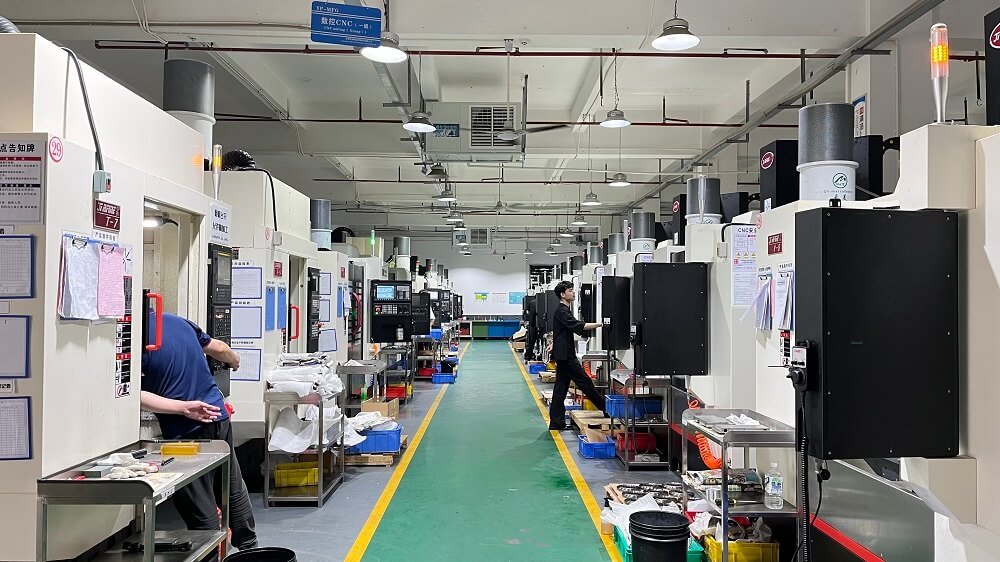
CNC Custom Part: A Guide to Optimizing Cost and Performance
Unlocking Value through Precision and Efficiency in CNC Custom Parts
Introduction
In the realm of mechanical engineering and industrial manufacturing, the demand for cnc custom part solutions is ever-growing. The challenge lies in balancing cost efficiency with high-performance standards. Many companies face difficulties in achieving this balance through traditional manufacturing processes. This guide aims to address these pain points, offering you tangible benefits, and promising a deeper understanding of how cnc custom part can optimize both cost and performance.
Reader Benefits
By the end of this guide, you will:
- Understand the intricacies of cnc custom part manufacturing.
- Learn strategies to significantly reduce costs without compromising on quality.
- Gain insights into performance enhancements through precision engineering.
- Discover best practices and avoid common pitfalls.
Article Promise
This comprehensive guide will break down the complexities of cnc custom part manufacturing into ten pivotal sections. Each section will provide you with practical knowledge and data-driven insights, empowering you to make informed decisions that drive both efficiency and superior performance.
Table of Contents
- Understanding CNC Custom Parts
- Cost Reduction Strategies
- Precision and Performance Enhancements
- Material Selection
- Design for Manufacturability (DFM)
- Tooling and Cutting Techniques
- Quality Control and Assurance
- Case Studies and Real-World Applications
- Common Misconceptions
- Conclusion and Call to Action
1. Understanding CNC Custom Parts
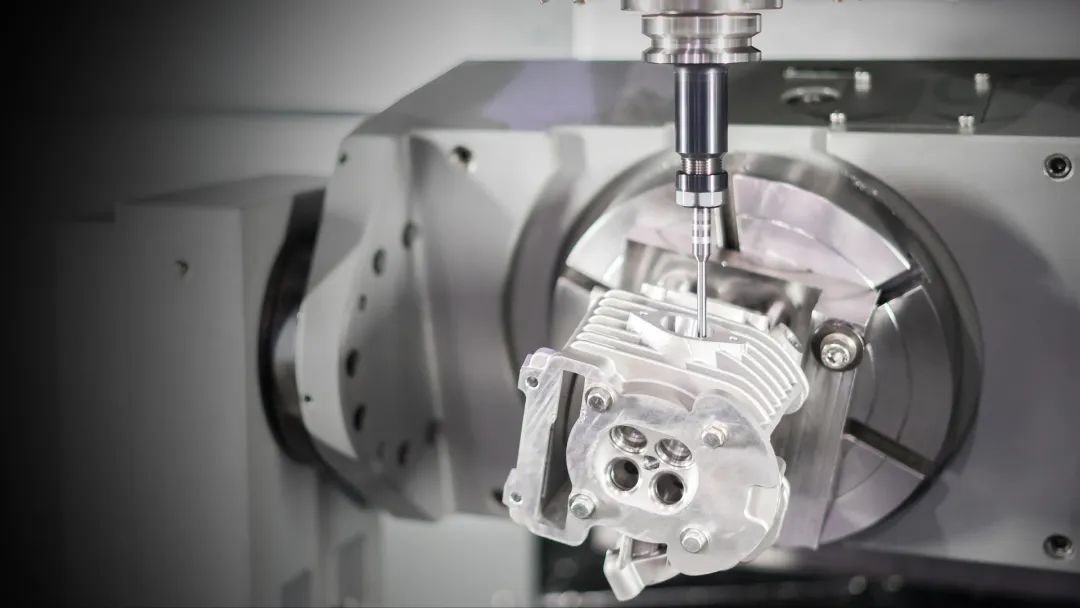
CNC custom parts are precisely machined components tailored to specific engineering requirements. Unlike off-the-shelf parts, cnc custom part solutions are manufactured using computer numerical control (CNC) machines, allowing for intricate designs and high precision.
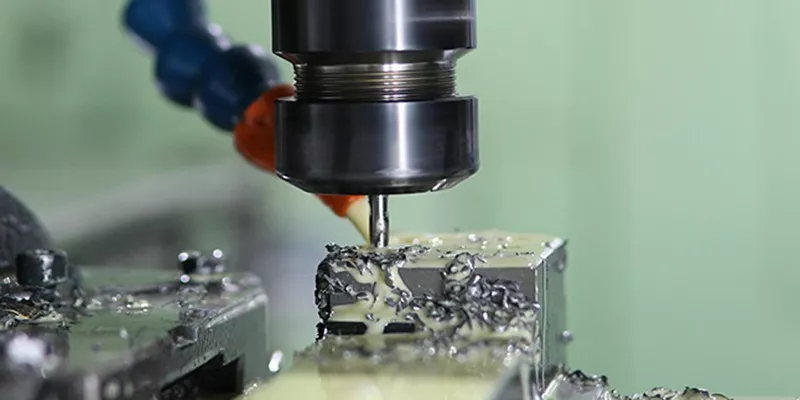
Figure 1: The CNC machining process, highlighting the control and precision involved.
2. Cost Reduction Strategies
One of the primary advantages of cnc custom part manufacturing is the ability to reduce production costs through automation and efficient use of materials. By leveraging CNC technology, manufacturers can minimize waste and optimize material usage.
Key Strategies
- Batch Production: Reduces overhead costs by minimizing setup times.
- Material Optimization: CNC allows for precise material cutting, reducing waste.
3. Precision and Performance Enhancements
The precision of cnc custom part manufacturing translates to enhanced performance in mechanical applications. CNC machines offer high accuracy and repeatability, crucial for components requiring tight tolerances.
Figure 2: Precision CNC machining, showcasing the tight tolerances achievable.
4. Material Selection
Selecting the right material is critical for both cost and performance. CNC custom parts can be manufactured from various materials, including metals and plastics, each offering different properties.
Common Materials
- Stainless Steel: High durability and corrosion resistance.
- Aluminum: Lightweight and cost-effective.
5. Design for Manufacturability (DFM)
Designing parts for easy and efficient manufacturing is essential. DFM principles help streamline the production process, reducing costs and improving quality.
DFM Best Practices
- Simplified Geometry: Reduces machining time and complexity.
- Standardization: Uses common components, lowering inventory costs.
6. Tooling and Cutting Techniques
The choice of tooling and cutting techniques directly impacts the quality and efficiency of cnc custom part production. Advanced CNC machines employ various cutting techniques to achieve optimal results.
Figure 3: Different cutting techniques used in CNC machining.
7. Quality Control and Assurance
Maintaining high-quality standards is vital in CNC custom part manufacturing. Implementing robust quality control measures ensures that parts meet performance specifications.
Quality Control Methods
- In-process Inspections: Continuous checks during machining.
- Final Testing: Comprehensive tests post-production.
8. Case Studies and Real-World Applications
Exploring real-world applications and case studies provides valuable insights into the practical benefits of cnc custom part manufacturing.
Example Case Study
- Automotive Industry: Custom parts for engine components, enhancing performance and reducing weight.
9. Common Misconceptions
There are several misconceptions about cnc custom part manufacturing. This section addresses these myths and clarifies the true advantages of CNC custom solutions.
Misconceptions
- Myth: CNC parts are always more expensive.
- Reality: CNC custom parts can be cost-effective with proper planning and optimization.
10. Conclusion and Call to Action
In conclusion, cnc custom part manufacturing offers unparalleled precision and efficiency, driving both cost reduction and performance enhancements. To leverage these benefits further, consider partnering with [YP-MFG], a leader in CNC manufacturing, offering state-of-the-art equipment, superior precision, and streamlined processes.
FAQs
- Q: How does CNC custom part manufacturing differ from traditional manufacturing?
- A: CNC custom part manufacturing uses CNC machines for precision and automation, allowing for intricate designs and reducing waste.
- Q: What are the main cost-saving benefits of CNC custom parts?
- A: CNC custom parts reduce overhead costs through batch production and material optimization.
- Q: Can CNC custom parts be made from various materials?
- A: Yes, CNC custom parts can be made from metals like stainless steel and aluminum, as well as various plastics.
Total Summary and B2B CTA
This guide has provided a thorough exploration of cnc custom part manufacturing, emphasizing cost reduction and performance enhancement. For further insights and to get a free DFM/quotation/consultation, contact [YP-MFG] today. Drive your projects forward with precision and efficiency.
Contact YP-MFG for Free DFM/Quotation/Consultation