
Quick answer:
The right aluminum machining service should deliver parts that meet your dimensional tolerances, surface finish requirements, and material specifications. Most buyers evaluate suppliers based on CNC capability, quality control processes, lead time reliability, and communication responsiveness. Choosing poorly often leads to rework delays, increased costs, and missed production schedules. A good provider will review your drawings, offer material recommendations, and clarify tolerances before committing to a quote.
When you need precision components in aluminum, the supplier you select directly affects part consistency and project timelines. YPMFG works with engineering teams and procurement professionals who require repeatable quality across batches. This guide explains what matters most when evaluating aluminum machining services, so you can make a confident decision.
Why Material Choice Matters in Aluminum Machining
Aluminum offers an excellent strength-to-weight ratio and superior machinability compared to many other metals. Different aluminum alloys behave differently during cutting, so selecting the right one depends on your application. Common choices like 6061 and 7075 serve very different purposes.
6061 aluminum is widely used for general-purpose parts. It machines well, accepts various surface finishes, and offers good corrosion resistance. 7075 aluminum provides higher strength but requires more careful tooling and coolant management during production.
Your application should drive alloy selection, not convenience. A reputable manufacturer will discuss your load requirements, environmental exposure, and finishing needs before recommending a specific grade.
Understanding Tolerance Capabilities

Tolerance levels define how closely machined parts match your drawn dimensions. Standard CNC machining typically achieves tolerances within ±0.005 inches or ±0.127 mm. Tighter tolerances require specialized processes and increase production time and cost.
Many projects do not need ultra-tight tolerances on every feature. Over-specifying tolerances across an entire part drawing creates unnecessary manufacturing complexity. Focus tight tolerances on critical fit surfaces and functional interfaces only.
When reviewing a supplier, ask about their actual capability ranges. Some shops claim ±0.001 inches but rarely hold those tolerances consistently. Ask for measurement reports or CMM data from recent similar jobs. This reveals whether their equipment and process control support your requirements.
Surface Finish Options and Their Impact
Surface finish affects both part performance and appearance. machined aluminum parts typically arrive with a standard mill finish around 125 to 250 microinch Ra. Certain applications demand smoother surfaces or specific textures.
Common finishing options include bead blasting, anodizing, powder coating, and polishing. Each process serves different purposes. Bead blasting creates a uniform matte appearance. Anodizing adds a hard protective layer and can include color options. Polishing achieves mirror-like surfaces for visual applications.
If your part contacts another component repeatedly, surface roughness influences wear characteristics. Rough surfaces accelerate mating part degradation. Specify finish requirements clearly on your drawings with proper surface texture symbols.
Evaluating Manufacturer Capabilities
Not all machine shops offer the same equipment range or expertise. A facility with limited axis machines may struggle with complex geometries. Multi-axis CNC centers handle intricate parts more efficiently and maintain tighter consistency.
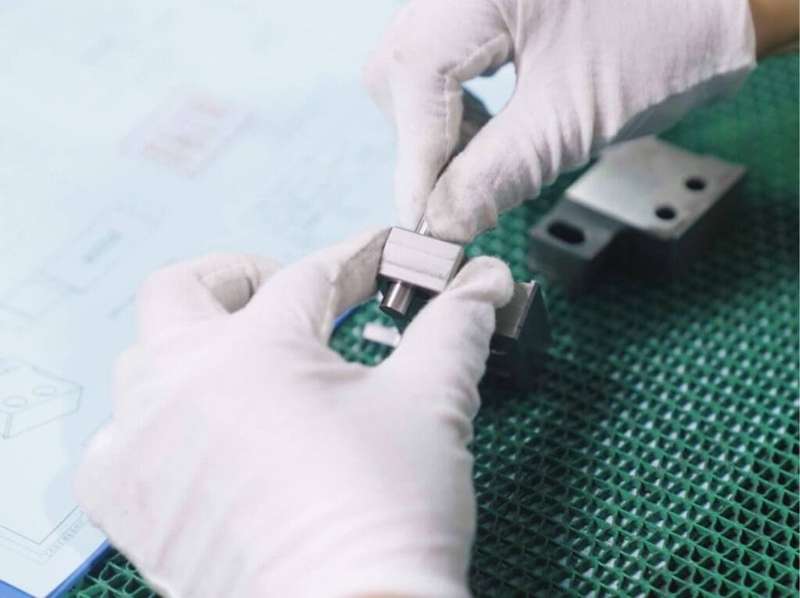
Look for manufacturers who invest in modern equipment and skilled technicians. Ask about their inspection processes and quality documentation. Some shops provide first article inspection reports with full dimensional verification. Others rely on basic in-process checks.
YPMFG supports projects that require precise aluminum component manufacturing. We provide engineering evaluation reviews, material selection guidance, and detailed quotes with lead time estimates. Buyers can send specifications or drawings for technical assessment before committing to production.
Common Mistakes When Ordering Aluminum Parts
Many buyers make avoidable errors during the ordering process. These mistakes often stem from unclear specifications or incomplete drawings. Addressing these issues upfront prevents delays and extra costs.
One frequent mistake is omitting material specifications entirely. Without明确合金牌号,供应商可能 substitute a cheaper alternative that fails performance requirements. Always specify the exact alloy and temper on your drawings or purchase orders.
Another common error involves unclear surface finish requirements. Writing “look nice” or “smooth finish” leaves too much interpretation. Use standard finish symbols or reference specific processes like anodizing Class I or II.
Questions Buyers Often Ask About Aluminum Machining Services
What is the typical lead time for aluminum machining projects?
Lead times vary by part complexity and order volume. Simple parts may ship within one to two weeks. More complex components with multiple operations often require three to four weeks. Rush options are available for urgent projects but carry premium pricing.
Can aluminum parts be heat treated after machining?
Yes, many aluminum alloys accept post-machining heat treatment. Solutions like T6 tempering improve mechanical properties after the cutting process. Confirm with your manufacturer whether heat treating is feasible for your specific alloy and part geometry.
What files do I need to request a quote?
Most suppliers require CAD files in STEP or IGES format along with a PDF drawing. Include material specification, tolerance callouts, and surface finish requirements. The more complete your documentation, the more accurate the quote will be.
How do I ensure consistent quality across multiple batches?
Ask about the manufacturer quality management system and inspection procedures. Request statistical process control data if available. Establish clear acceptance criteria and consider requiring first article inspections for each new production run.
Choosing the Right Aluminum Machining Service
Selecting the correct supplier requires evaluating technical capability, quality processes, and communication style. Your project success depends on matching part requirements with manufacturer strengths. Avoid choosing based on price alone, as hidden costs often emerge from poor quality or delayed delivery.
You can send your specifications to YPMFG for engineering review and a detailed quotation. Our team will assess feasibility, recommend appropriate materials, and provide realistic timelines before you commit to production.


