Quick answer:
Zinc casting is a metal-forming process where molten zinc alloy is injected or poured into a mold to produce precise, durable, and cost-effective components. It is widely used in CNC machining industries for parts requiring tight tolerances, complex geometries, and high surface finish. The main methods are die casting and sand casting, each suited to different production volumes and design requirements. Buyers often choose zinc over aluminum or plastic when strength, corrosion resistance, and dimensional stability are critical. However, material selection, mold design, and post-processing directly affect cost and part quality.
When sourcing custom zinc cast parts, many procurement engineers and design teams face the same challenge: balancing upfront tooling costs against long-term production reliability. Without a clear understanding of alloy grades, casting tolerances, and finishing options, projects risk delays or unexpected expenses. This article walks through the core factors that determine success in zinc casting, helping you evaluate suppliers, compare processes, and make informed decisions.
Table of Contents
1. What Is Zinc Casting?
2. Zinc Casting Methods
3. Common Zinc Alloys for Casting
4. Key Design Considerations
5. Cost Factors in Zinc Casting
6. Surface Finishing Options
7. Common Questions About Zinc Casting
8. Choosing the Right Zinc Casting Partner
01What Is Zinc Casting?
Zinc casting is a manufacturing process that shapes molten zinc alloy into solid parts using a mold. The process is known for producing components with excellent dimensional accuracy, smooth surfaces, and consistent mechanical properties.
Unlike machining from solid bar stock, casting allows for complex internal features, thin walls, and intricate geometries in a single step. This reduces secondary operations and material waste.
For industries like automotive, electronics, and industrial equipment, zinc casting offers a reliable path to high-volume production without sacrificing precision.
02Zinc Casting Methods
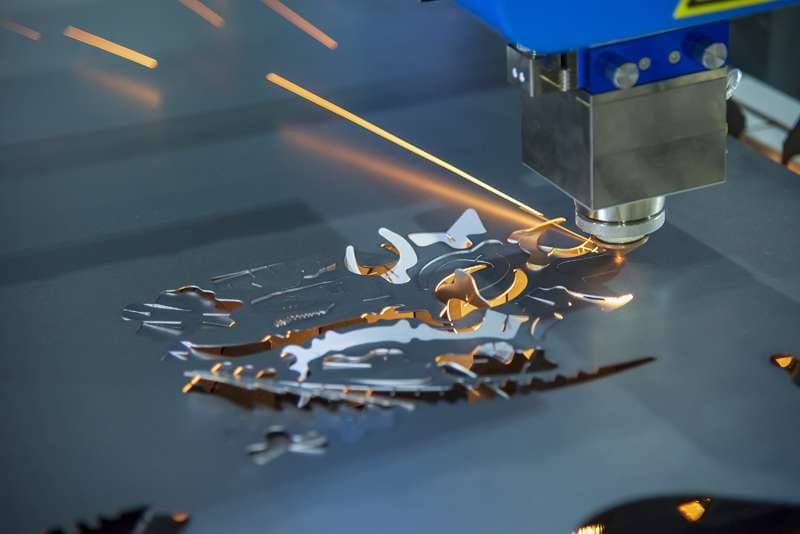
Two primary methods dominate the zinc casting landscape: die casting and sand casting. Each serves different production needs.
Die casting uses high pressure to inject molten zinc into a steel mold. It is ideal for large volumes and tight tolerances. Parts often require little to no machining after casting.
Sand casting uses a sand mold, which is destroyed after each pour. It suits lower volumes, larger parts, or prototypes where tooling cost must be minimized.
Choosing between these methods depends on your production quantity, part complexity, and budget for tooling.
03Common Zinc Alloys for Casting
Zinc alloys are grouped into two main families: ZAMAK and ZA (zinc-aluminum) alloys.
ZAMAK 3 is the most widely used zinc casting alloy. It offers good strength, ductility, and dimensional stability. It is the standard choice for general-purpose castings.
ZAMAK 5 adds copper for higher hardness and strength. It suits parts that face wear or higher loads.
ZA alloys contain more aluminum, increasing strength and hardness at elevated temperatures. They are often chosen for bearings, bushings, or high-stress applications.
Selecting the right alloy requires evaluating operating temperature, load, and corrosion exposure. A qualified partner like YPMFG can help match alloy properties to your specific application.
04Key Design Considerations
Designing for zinc casting requires attention to wall thickness, draft angles, and tolerance requirements.
Uniform wall thickness prevents sink marks and internal voids. Gradual transitions between thick and thin sections reduce stress concentration.
Draft angles of 0.5 to 3 degrees are recommended for die casting to allow part ejection without damaging the mold.
Sharp corners should be avoided. Generous fillets and radii improve metal flow and reduce cracking risk.
These design choices directly affect mold life, cycle time, and final part cost.
05Cost Factors in Zinc Casting
Tooling cost is the largest upfront expense in zinc casting. Die casting molds can range from several thousand to tens of thousands of dollars, depending on complexity.
Material cost varies by alloy grade and market prices. Zinc alloys are generally more expensive than aluminum but cheaper than copper-based alloys.
Unit cost decreases significantly with higher volume, as tooling amortization spreads over more parts.
Secondary operations like machining, deburring, and surface finishing add 15–40% to total part cost. Designing for minimal post-processing is a key cost-saving strategy.
06Surface Finishing Options
Zinc cast parts can be finished with plating, painting, or powder coating for improved appearance and corrosion resistance.
Electroplating with nickel, chrome, or zinc-nickel is common for decorative and protective applications.
Chemical treatments like chromating or passivation provide moderate corrosion protection at low cost.
Painting or powder coating allows for custom colors and additional environmental resistance.
Finishing choice depends on the end-use environment and aesthetic requirements. Discuss options with your supplier early to avoid compatibility issues.
07Common Questions About Zinc Casting
Is zinc casting cheaper than aluminum casting?
In many cases, yes. Zinc melts at a lower temperature, reducing energy costs and extending mold life. However, aluminum offers better strength-to-weight ratio for structural parts.
Can zinc cast parts be welded?
Some zinc alloys can be welded using specialized techniques, but welding may affect mechanical properties. Mechanical joining or adhesive bonding is often preferred.
What tolerances can zinc die casting achieve?
Typical tolerances range from ±0.003 to ±0.005 inches for small parts. Tighter tolerances are possible with post-machining.
How long does a zinc die casting mold last?
Zinc molds typically last 500,000 to over 1 million cycles, depending on alloy and maintenance. This is significantly longer than aluminum or magnesium molds.
Does zinc casting require heat treatment?
Zinc alloys generally do not require heat treatment. Properties are achieved as-cast, reducing processing time and cost.
Can zinc casting be used for prototype runs?
Yes. Low-volume sand casting or rapid prototyping techniques can produce functional prototypes before committing to die casting tooling.
What are the environmental concerns with zinc casting?
Zinc is fully recyclable. Most foundries recycle scrap and trim. Emissions are controlled by modern filtration systems.
How do I specify a zinc casting supplier?
Look for experience in your industry, clear quality documentation, and willingness to support design reviews. YPMFG offers engineering evaluation and material guidance to help you avoid common pitfalls.
08Choosing the Right Zinc Casting Partner
Selecting the right partner for your zinc casting project means more than comparing unit prices. You need a supplier that understands material behavior, mold design, and production scale.
The best partners will review your part geometry, suggest alloy options, and flag potential issues before tooling begins. This saves time, reduces revisions,and lowers total cost.
If your project requires tight tolerances, complex features, or consistent surface quality, working with an experienced manufacturer is essential.
YPMFG supports buyers through every stage—from initial design review and alloy selection to sample testing and final production. You can send your specifications for engineering evaluation or request a quote to compare your current solution against a more cost-effective approach.