
Quick answer: Welding sheet metal fabrication joins thin metal sheets using controlled heat to create strong, permanent joints. The most common processes include TIG for precision and aesthetics, MIG for speed on mild steel, and laser welding for thin-gauge accuracy. Successful fabrication depends on material selection, joint design, heat management, and post-weld finishing. When sourcing parts, buyers should evaluate the manufacturer’s equipment, welder certifications, and ability to integrate welding with CNC machining for complex assemblies.
Sheet metal fabrication is one of the most widely used manufacturing processes across industrial sectors. Yet selecting the right welding approach and partner remains a recurring challenge for engineers and procurement teams. Heat distortion, inconsistent weld quality, and hidden rework costs often surface after production begins. These issues can be avoided with the right knowledge and the right manufacturer.
YPMFG provides CNC component manufacturing services and can integrate precision welding into your production workflow. Whether you need a single welded bracket or a fully assembled sheet metal enclosure, our engineering team can review your specifications and recommend the most suitable process before production starts.
Understanding Common Welding Processes in Sheet Metal
Different welding processes produce distinctly different results. Choosing the wrong one for your material and thickness can lead to excessive distortion, poor aesthetics, or insufficient joint strength.
GTAW (TIG welding) uses a non-consumable tungsten electrode and an inert argon or helium shielding gas. It produces clean, precise welds with minimal spatter. TIG is the preferred process for stainless steel, aluminum, titanium, and other non-ferrous metals. It works best on materials ranging from 0.5mm to 6mm thickness. The process is slower than MIG but delivers superior control over heat input.
GMAW (MIG welding) employs a continuously fed consumable wire electrode and a shielding gas mixture. It is significantly faster than TIG and well suited for mild steel and some aluminum alloys. MIG welding excels on thicker sheet metal from 1.5mm to 12mm, where deposition rate matters more than visual finish. The process can produce noticeable spatter and requires post-weld cleaning if appearance is critical.
Laser welding represents the modern high-precision option. It concentrates a focused laser beam onto a narrow weld zone, generating minimal heat-affected areas and very low distortion. Laser welding is ideal for thin-gauge sheets below 3mm and for applications requiring tight tolerances. Equipment costs are higher, and joint fit-up must be precise.
The right process depends on your material, thickness, production volume, and quality requirements. YPMFG can help buyers compare options based on their specific project parameters and recommend the most cost-effective approach without sacrificing integrity.
Material Selection and Its Impact on Weld Quality
The choice of sheet metal material directly determines which welding process is viable and what kind of pre- and post-processing is required. Each material reacts differently to heat, cooling rates, and filler selection.
Mild steel is the most straightforward material to weld. It accepts MIG and TIG welding with good results and is available at a lower cost than specialty alloys. However, it requires protection against rust, typically through powder coating, painting, or galvanizing after fabrication.
Stainless steel presents more welding complexity. Grade 304 is commonly used and welds well with TIG using ER308 filler wire. Grade 316 requires ER316 filler for optimal corrosion resistance. Interpass temperature control is critical to prevent carbide precipitation and loss of corrosion resistance. Post-weld pickling or passivation is often necessary for exposed surfaces.
Aluminum demands careful handling during welding. It has high thermal conductivity and forms an oxide layer that must be removed before and during the process. TIG welding with AC current or pulsed MIG is the standard approach. Fillers such as ER4043 or ER5356 are selected based on the base alloy. Distortion is a significant concern with thin aluminum sheets due to rapid heat dissipation.
Titanium and other high-performance alloys require inert gas shielding throughout the entire welding cycle, including the cooling phase. Exposure to atmospheric contamination during the critical temperature range can cause embrittlement. Specialized equipment and clean-room conditions are typically needed.
Joint Design and Fit-Up Standards
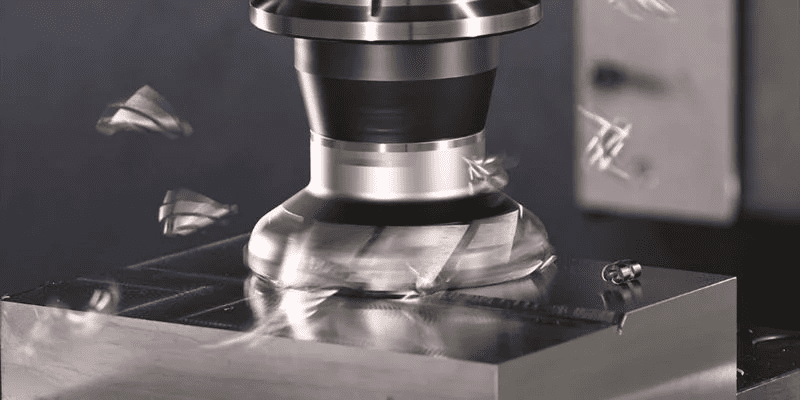
Proper joint design is foundational to weld quality. A poorly designed joint cannot be compensated for by skillful welding technique. The gap between parts, the bevel angle, and the fit-up tolerance all influence penetration depth and final joint strength.
Common joint configurations in sheet metal fabrication include butt joints, lap joints, T-joints, and edge joints. Butt joints are preferred when full penetration is required and both sides are accessible. Lap joints are easier to assemble but have lower fatigue resistance due to the overlapping geometry. T-joints are frequently used in frame construction and bracket attachment.
Fit-up tolerance directly affects weld quality. Gaps larger than 0.5mm in TIG welding can cause burn-through on thin material or incomplete fusion on thicker sections. Proper clamping, tack welding, and sequential weld ordering help maintain alignment during the process. Excessive gaps should be addressed with backing bars, chisel grinding, or adjusted joint preparation.
Bevel preparation is necessary when welding thicker sheet metal above 3mm. Single-V, double-V, and U-groove preparations allow deeper penetration with multiple passes. The included angle and root face dimension must match the selected welding process and filler specification.
Heat Management and Distortion Control
Thermal distortion is one of the most persistent challenges in sheet metal welding. Uneven heating and cooling create residual stresses that cause parts to warp, twist, or bow after the weld cools. For precision components, even a 0.5mm deviation can render a part unusable.
Heat input control is the primary lever for managing distortion. Lower amperage, slower travel speed, and pulsed welding parameters reduce the size of the heat-affected zone. Back-step welding, where welds are applied in short reversed segments, helps distribute heat more evenly along the joint.
Fixturing and restraint play an equally important role. Clamping the part to a rigid fixture during welding limits movement, but the constraint increases residual stress. Post-weld stress relief through controlled cooling or mechanical straightening may be necessary for high-precision applications.
Sequential welding order matters for large assemblies. Welding from the center outward or using symmetrical pass patterns balances heat distribution across the part. Skilled welders and engineers coordinate this sequence based on the joint layout and part geometry.
YPMFG supports projects that require tight dimensional control, combining fixture-based welding with CNC machining to correct any residual distortion after the welding process is complete.
Post-Weld Finishing and Surface Treatment
Welding is only one stage in the fabrication workflow. Post-weld finishing determines the final dimensional accuracy, surface quality, and environmental resistance of the part. Skipping or rushing this stage often leads to field failures and customer rejections.
Grinding and polishing remove weld reinforcement, spatter, and discoloration. For aesthetic applications, a smooth blend to the base surface is standard. For structural applications, grinding may only be needed to remove excessive reinforcement or undercut.
Stress relief heat treatment is sometimes required for thick sections or high-strength materials. This process involves heating the part to a specific temperature, holding it for a defined duration, and controlling the cooling rate to relieve internal stresses.
Surface treatment protects the fabricated part from corrosion and wear. Powder coating,liquid painting, anodizing, and passivation are common options. The choice depends on the material, operating environment, and any regulatory or industry standards that apply.
When welding is followed by CNC machining operations, additional flatness and hole-position tolerances can be achieved. This combined approach is particularly valuable for parts that require both welded joints and precise mating surfaces.
Quality Standards and Inspection Methods
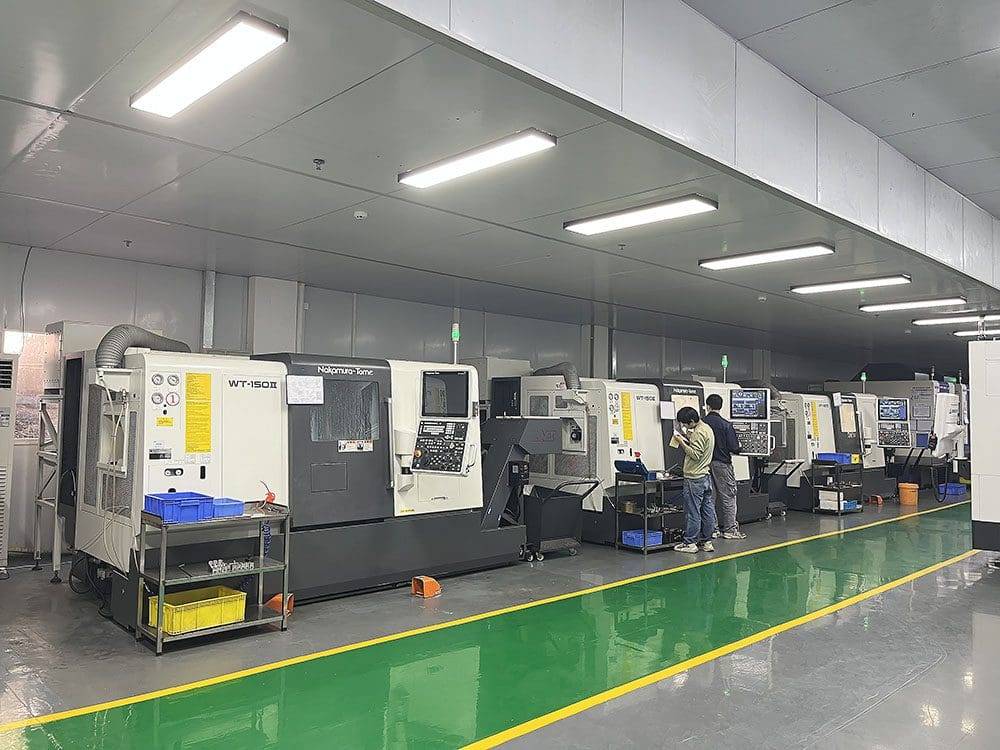
Quality assurance in welded sheet metal fabrication follows established standards and inspection protocols. Understanding these requirements helps buyers set realistic expectations and verify that their supplier meets the necessary criteria.
AWS D1.1 covers structural welding code for steel. AWS D1.6 applies to stainless steel welding. These standards define acceptable weld profiles, allowable defect sizes, and required documentation. Industries such as aerospace and medical equipment often reference additional specifications like AS9100 or ISO 13485.
Visual inspection is the first and most common quality check. It identifies surface defects such as cracks, porosity, undercut, and incomplete fusion. Certified welding inspectors or trained internal personnel perform these evaluations against acceptance criteria from the relevant code.
Non-destructive testing methods provide deeper verification. Liquid penetrant testing reveals surface-breaking defects. Radiographic testing detects internal porosity and inclusion. Ultrasonic testing is effective for identifying planar defects in thicker sections. The selection of NDT method depends on the material, joint type, and application requirements.
Dimensional inspection verifies that the finished part conforms to engineering drawings. CMM measurement, optical scanning, and fixture-based gauging are standard tools. weld-induced distortion should be measured after the part has stabilized at room temperature.
Cost Factors and What Influences Your Final Price
Understanding cost drivers helps buyers evaluate quotes accurately and avoid unexpected expenses. The unit price of welded sheet metal parts is shaped by multiple interconnected factors.
Material cost is the starting point. Sheet metal pricing varies by grade, thickness, and quantity. Stainless steel and aluminum are significantly more expensive than mild steel. Raw material waste from nesting and cutting also affects unit cost.
Processing cost depends heavily on the welding process selected. TIG welding is the most labor-intensive and time-consuming per joint. MIG welding offers faster throughput. Laser welding has high equipment overhead but can be very efficient for repetitive thin-gauge joints.
Lead time is closely tied to process selection and batch size. Single-piece prototypes require setup time that is not amortized. Production runs benefit from optimized fixturing and sequential workflow. Rush orders typically carry a premium.
Secondary operations add cost but are often necessary. Cutting, bending, grinding, surface treatment, and assembly each represent separate steps in the production chain. A manufacturer that can perform multiple operations in-house often delivers better pricing and shorter lead times.
Making the Right Choice When Sourcing Fabrication Partners
Selecting a fabrication partner requires evaluating technical capability, quality systems, and communication clarity. The lowest quote is not always the most economical decision when rework, delays, and field failures are factored in.
Verify that the manufacturer has the specific welding processes you need. A shop equipped only for MIG may not be suitable for thin-gauge aluminum TIG work. Ask about equipment age, maintenance records, and operator training programs.
Review the supplier’s quality documentation. Certified welding procedures should be available for your material and process combination. Inspection reports, material traceability records, and NDT documentation demonstrate a mature quality system.
Discuss your design before production begins. A responsive manufacturer will flag potential issues with joint access, weld sequence, or distortion risk early in the process. This proactive communication reduces surprises and improves the final part quality.
YPMFG provides engineering evaluation and custom solution development for sheet metal welding projects. Buyers can send specifications or drawings for a professional review that covers process recommendation, material suggestion, and feasibility assessment before committing to production.
Common Questions About Welding Sheet Metal Fabrication
What is the thinnest sheet metal that can be reliably welded?
Thin-gauge material below 0.5mm is challenging but possible with laser welding or precision TIG using pulsed heat input. Most standard fabrication shops work reliably with sheet metal starting at 0.8mm for TIG and 1.0mm for MIG processes.
How do I know if a weld is strong enough for my application?
Weld strength depends on joint design, penetration depth, filler material selection, and process parameters. For structural applications, full-penetration welds are required. A qualified engineer or certified welding inspector can validate joint strength against your load requirements.
Can different metals be welded together?
Dissimilar metal welding is technically possible but requires specialized filler materials and process control. Common combinations like steel-to-stainless or aluminum-to-steel demand expert-level technique. Always confirm feasibility with your manufacturer before specifying mixed-material joints.
What is the typical lead time for welded sheet metal parts?
Lead time varies by part complexity, material availability, and batch size. Simple single-part welds may ship within one week. Complex assemblies with multiple welds, surface treatment, and inspection steps often require two to four weeks. Rush timelines are sometimes available.
Does post-weld machining improve dimensional accuracy?
Yes. Machining welded parts after welding removes distortion-induced deviations and achieves tight tolerances on critical features. This combined approach is standard practice for precision components that require both welded joints and accurate mating surfaces.
How should I prepare my files for a welding fabrication quote?
Provide 2D drawings with material specification, thickness, weld callouts, and surface finish requirements. 3D CAD files in STEP or IGES format are also helpful for engineering review. Clear documentation reduces clarification cycles and leads to more accurate quotes.
Need Help Selecting the Right Welding Fabrication Approach?
Choosing the correct welding process, material, and joint design for your sheet metal project requires practical experience and access to the right equipment. A manufacturer that understands both welding and CNC machining can deliver tighter tolerances, better distortion control, and more competitive pricing than a shop that only performs one function.
You can send your specifications or drawings to YPMFG for a free engineering review. Our team will evaluate your design, recommend the most suitable welding process, and provide a detailed quotation that includes lead time and any additional finishing steps your part requires.