Quick answer:
Hardened CNC-machined switch components for automotive and bicycle applications require precise material selection, controlled heat treatment, and tight tolerances to withstand repeated mechanical stress and environmental exposure. YPMFG offers custom CNC machining services for these specialized parts, providing material recommendations,engineering evaluation, sample prototyping, and production support tailored to your specific switch design requirements.
Switch components in vehicles and bicycles face demanding conditions every day. They endure constant friction, temperature changes, vibration, and moisture. Choosing the right machining approach for these parts directly affects product reliability and service life.
Many buyers struggle with balancing hardness, dimensional accuracy, and cost when sourcing switch components. Some parts fail prematurely due to inadequate surface treatment or improper material choice. Others exceed budget because of unnecessary over-engineering.
This article explains how CNC customized machining with hardening processes addresses these challenges for auto and bike switch applications. It covers material options, treatment methods, quality considerations, and how to select the right manufacturing partner.
Why Surface Hardening Matters for Switch Components
Switch components in automotive and bicycle applications must maintain performance under repetitive use. A typical switch may be actuated thousands of times during its service life. Without proper hardening, surface wear accelerates and dimensional tolerances shift.
Hardened components resist deformation and maintain contact integrity. This is critical for electrical switches where even minor wear can cause connection failure or inconsistent operation. The hardening process creates a wear-resistant outer layer while preserving a tough core that absorbs impact.
Common switch parts that benefit from hardening include actuator buttons, contact pins, housing inserts, and locking mechanisms. Each part has different requirements based on its function and load conditions.
Materials Used in CNC Machined Switch Parts
Material selection is the first step in producing durable switch components. The choice depends on mechanical requirements, environmental conditions, and cost targets.
Steel alloys are the most common choice for high-stress switch parts. Stainless steel offers corrosion resistance for outdoor bicycle applications. Alloy steels like 4140 and 4340 respond well to heat treatment and deliver high surface hardness. Aluminum alloys are used for lightweight housings where hardness requirements are moderate. Brass and copper alloys provide excellent electrical conductivity for contact components.
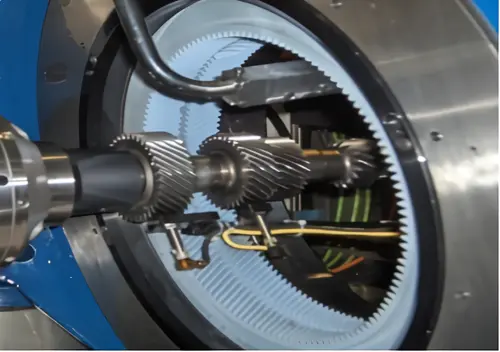
Each material responds differently to machining and hardening processes. This affects final dimensions, surface finish, and production timeline.
Hardening Processes for CNC Machined Parts
Different hardening techniques serve different applications. Understanding the options helps buyers specify the right treatment for their components.
Case hardening is particularly popular for switch components. It creates a hard exterior layer while maintaining a ductile core. This combination prevents surface cracking under impact while resisting wear during normal operation.
Nitriding provides the highest surface hardness without distorting part dimensions. It is ideal for precision switch components that cannot tolerate post-treatment machining.
Dimensional Tolerances and Post-Treatment Machining
Hardening processes can cause dimensional changes. Thermal expansion and contraction during heat treatment may shift critical dimensions by thousandths of an inch. This is why many manufacturers machine parts to near-final dimensions before hardening, then perform finish machining afterward.
Precision CNC grinding and hard turning restore exact tolerances after hardening. YPMFG evaluates each component to determine whether pre-hardening rough machining plus post-hardening finish machining is the optimal approach. This balances cost efficiency with dimensional accuracy.
Surface finish requirements also vary by application. Electrical contact surfaces may require mirror finishes to ensure reliable current transfer. Structural surfaces may only need standard CNC machining marks.
Cost Factors in Custom Machined Switch Components
Several factors influence the final cost of hardened CNC machined switch parts. Understanding these helps buyers plan budgets and evaluate quotes accurately.

Material cost varies significantly between aluminum, brass, stainless steel, and alloy steel. Complex geometries require more machining time and specialized tooling. Tight tolerances above standard CNC capabilities increase processing time and defect rates. Hardening and post-hardening finish machining add separate process steps with their own costs.
Minimum order quantities also affect per-unit pricing. Single prototype pieces carry higher setup costs per part. Batch production spreads setup costs across more units and reduces the per-piece price.
Selecting a CNC Machining Partner for Switch Components
Choosing the right manufacturer requires evaluating technical capability, quality systems, and communication responsiveness. Not all CNC shops have experience with hardened switch components.
A capable partner should offer engineering consultation on material selection and process planning. They should provide detailed quotations with clear breakdowns of machining, hardening, and finishing costs. Quality documentation including material certifications and inspection reports should be standard practice. Sample production capability allows buyers to verify quality before committing to full production runs.
YPMFG provides comprehensive support for switch component projects. This includes engineering assessment of your design drawings, material and hardening recommendations, sample production for validation, and full production with quality control documentation. Buyers can send specifications for review and receive a detailed quote within a short timeframe.
Common Mistakes to Avoid When Sourcing Switch Parts
Several purchasing mistakes can lead to costly production delays or component failures.
Specifying hardness without defining the case depth often results in parts that are too brittle or not hard enough at the surface. Using standard tolerances for critical contact surfaces creates unreliable electrical connections. Skipping sample approval before full production risks批量质量波动. Selecting the lowest-priced quote without verifying the manufacturer’s experience with hardened components often leads to unexpected cost overruns or quality issues.
Always request material test reports and hardness verification data from your supplier. These documents confirm that the parts meet your specified requirements.
Practical Questions Before Choosing CNC Machined Switch Components
What is the difference between case hardening and through hardening for switch parts?
Case hardening creates a hard surface layer with a tougher core, ideal for wear-prone parts. Through hardening hardens the entire part uniformly, better for components needing overall strength rather than surface wear resistance.
Can aluminum switch components be hardened effectively?
Aluminum cannot be heat-treated to the same hardness as steel. However, anodizing increases surface hardness and wear resistance. For higher hardness requirements, steel or brass components are preferable choices.
How long does the hardening process take?
Hardening cycles typically add one to three days depending on the method chosen. Nitriding takes longer than case hardening. Rush orders may be available from some manufacturers at a premium.
What tolerance can CNC machining achieve after hardening?
Precision CNC machining with post-hardening finish processes can typically achieve tolerances within ±0.0005 to ±0.001 inches. Tighter tolerances are possible but increase cost and reduce yield rates significantly.
How do I verify the hardness of delivered parts?
Reputable manufacturers include hardness test reports with shipments. You can also perform independent testing using a portable Rockwell hardness tester or send samples to a third-party laboratory for verification.
Need Help Selecting the Right CNC Machining Partner for Your Switch Parts?
Reliable switch components depend on proper material selection, appropriate hardening processes, and precise CNC machining. Each decision affects the performance, lifespan, and total cost of your final product. Working with an experienced manufacturer who understands these technical details saves time and reduces risk.
YPMFG supports projects involving custom CNC machining for automotive and bicycle switch components. We offer engineering evaluation of your designs, material and hardening recommendations, sample production, and full production with quality documentation. You can send your specifications or drawings to YPMFG for a free review and competitive quote.