
Quick answer:
CNC machined metal parts are precision components manufactured by removing material from a solid block of metal using computer-controlled cutting tools. This process is ideal for producing complex geometries, tight tolerances, and high-quality surface finishes in metals such as aluminum, steel, brass, and titanium. Buyers typically choose CNC machining when they need reliable repeatability across medium to high production volumes.
If you are sourcing machined components for an industrial application, you likely face real questions about material selection, dimensional accuracy, lead times, and how to evaluate whether a quote reflects true value. Getting these details right matters because a single poorly specified part can delay an entire assembly line or compromise product performance downstream.
This guide breaks down what CNC milled metal parts actually involve, how they are produced, what factors influence quality and cost, and what you should verify before placing an order. The aim is to give you a practical foundation so you can make better purchasing decisions with confidence.
Quick answer:
CNC machining refers to subtractive manufacturing where automated spindle-driven cutters remove material from a raw blank according to programmed tool paths. CNC milling is the most common variant, using rotating multi-point cutting tools to shape flat surfaces, slots, holes, and contours. Parts are held firmly on a fixture or vise while the machine executes precise movements along multiple axes. Modern systems routinely achieve tolerances within ±0.025 mm or tighter, depending on geometry and material.
Understanding this basic mechanism helps you communicate clearer requirements to your supplier and avoid costly misinterpretations during the quoting stage.
Why Precision Matters in CNC Milled Parts
Precision defines whether a component will fit, function, and last as intended in its final assembly. A deviation of even a few hundredths of a millimeter can cause misalignment, excessive wear, seal failure, or uneven load distribution. In aerospace, automotive, medical, and industrial equipment applications, precision directly affects safety and performance.
Several factors determine achievable accuracy: machine rigidity and calibration, thermal stability during cutting, tool wear compensation, fixturing consistency, and the operator’s or engineer’s programming expertise. Buyers should request documented tolerance statements and understand whether a drawing calls for standard ±0.1 mm allowances or specialized ±0.025 mm grading.
How to Choose the Right Metal for Your Part
Material selection is one of the most influential decisions in any CNC machining metal part project. The wrong alloy can cause excessive tool wear, poor surface quality, inadequate strength, or unexpected corrosion. Common choices include:
Aluminum alloys such as 6061 and 7075 offer excellent machinability, moderate strength, and lightweight performance. They are widely used in brackets, housings, and fluid manifolds.
Stainless steels like 304 and 316 provide strong corrosion resistance and good mechanical properties, making them suitable for food-grade, marine, and medical environments.
Carbon and alloy steels deliver high strength and durability for load-bearing structural parts and heavy-duty tooling.
Brass and copper alloys are chosen for electrical conductivity, decorative finish, and excellent machinability in valves and connectors.
Titanium alloys such as Ti-6Al-4V combine high strength-to-weight ratios with exceptional corrosion resistance,though they require slower cutting speeds and specialized tooling.
Each material responds differently to cutting parameters, cooling strategies, and post-processing steps. Reviewing a side-by-side comparison can clarify these trade-offs quickly.
The table above summarizes typical characteristics. Your engineering team should match material properties to the actual stress, environment, and finish requirements of the component before finalizing the specification.
Common Manufacturing Processes for Metal Parts
Beyond standard milling, several related processes may appear in your workflow or supplier quotes. Knowing the differences prevents confusion and ensures you request the correct operation for each feature.
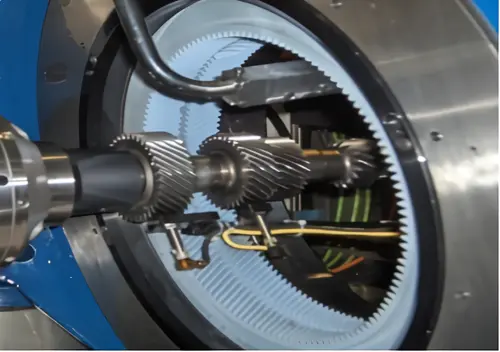
Milling removes material with rotating cutters and is best suited for flat surfaces, pockets, slots, and complex 3D contours. It is the most versatile subtractive method.
Turning uses a lathe to create cylindrical parts such as shafts, pins, and bushings by rotating the workpiece against a stationary tool.
Drilling and tapping produce holes and threaded features that are essential for assembly and fastening.
Electrical discharge machining, often called EDM, uses controlled electrical sparks to erode material and create sharp internal corners or hardened steel cavities that traditional cutters cannot reach efficiently.
Surface finishing options including anodizing, bead blasting, passivation, and plating improve appearance, wear resistance, and corrosion protection after the primary machining step.
A supplier should confirm which processes apply to your drawing and explain any secondary operations required to meet the final specification.
Cost Factors That Influence the Final Price
Part cost is rarely driven by a single variable. Several interconnected factors determine the quote you receive:
Material price and waste percentage
Part geometry complexity and number of setup changes
Tolerance tightness and inspection requirements
Surface finish specification
Production volume and batch size
Post-processing and coating steps
CNC milling part costs scale differently depending on whether you are ordering ten prototypes or ten thousand production units. Simple geometries in aluminum typically cost less per piece than complex stainless steel components requiring five-axis machining and hand finishing. Volume discounts usually apply once a part reaches steady-state production runs.
Buyers often focus on unit price alone, but total lifecycle expense should also include inspection time, scrap risk, assembly fitment delays, and long-term reliability. A slightly higher unit cost may be justified if it reduces downstream failures or simplifies installation.
Quality Standards and Documentation You Should Expect
Reputable manufacturers provide traceable documentation that supports quality audits and regulatory compliance. Key documents typically include:
Material certificates confirming alloy composition and mill test reports
First-article inspection reports with measured dimensions against the drawing
Process capability data for critical features when requested
Surface finish verification records
Packaging and shipping inspection checklists
Industries such as medical device manufacturing, aerospace, and automotive may require additional compliance documentation, including ISO 13485, AS9100, or IATF 16949 certification. Verify that your supplier holds relevant certifications before committing to long-term supply agreements.
YPMFG supports projects that require detailed documentation and clear communication throughout the quoting and production phases. You can send your specifications to YPMFG for review and receive a structured quote with technical feedback before any commitment.
Common Mistakes Buyers Make When Ordering Machined Parts
Mistakes in the early specification stage often lead to expensive rework, delayed shipments, or parts that do not perform as expected. Frequent issues include:
Omitting critical tolerance zones on engineering drawings
Specifying impossibly tight tolerances on all features when only a few require precision
Choosing materials based on habit rather than actual application requirements
Ignoring manufacturability constraints such as unreachable internal corners or excessively thin walls
Underestimating the need for secondary finishing operations
Requesting quotes without providing complete 3D models and 2D drawings
Assuming all suppliers use identical machines and quality control standards
Avoiding these pitfalls starts with clear communication and a thorough review of your design before it enters production.
What to Check Before Placing a Production Order
A short verification list can significantly reduce risk:
Confirm all drawing dimensions, tolerances, and geometric dimensioning symbols are complete and unambiguous
Verify material grade and heat treatment requirements
Review tool access and corner radius feasibility
Ask for a recommended process sequence if your design is complex
Request sample or prototype approval before full production
Clarify inspection methods and acceptance criteria
Confirm lead times and batch delivery schedules
Understand return or rework policies for nonconforming parts
Taking these steps before production begins protects your timeline and budget far more effectively than trying to resolve issues after parts arrive.
Common Questions Buyers Ask About CNC Machined Metal Parts
What is the typical lead time for CNC milled parts?
Lead times vary by complexity, material, and volume. Prototypes often ship within five to ten business days. Production batches may require two to four weeks depending on scheduling and finishing steps. Rush options are sometimes available at additional cost.
Can a supplier adjust my design for better manufacturability?
Yes. Many experienced shops offer design for manufacturability feedback. They may suggest slightly larger internal radii, adjusted tolerance callouts, or alternative materials that reduce cycle time without sacrificing performance.
How are tolerances verified on machined parts?
Parts are typically measured using calipers, micrometers, pin gauges, and coordinate measuring machines. Critical features may be inspected individually, while statistical sampling is used for high-volume runs. Reports are provided on request.
What file formats are accepted for quoting?
Most suppliers accept STEP, IGES, STL, PDF, and native CAD files. Providing both 3D models and detailed 2D drawings yields the most accurate quotes.
Do you offer prototype runs before full production?
Many manufacturers support low-volume prototyping to validate fit and function. This step is highly recommended for new designs.
How important is surface finish for functional parts?
Surface finish affects friction, seal performance, fatigue life, and appearance. Functional parts often require specific Ra values, while cosmetic parts may need visual consistency. Specify finish requirements clearly on your drawing.
What happens if parts fail inspection?
Reputable suppliers will communicate defects promptly and offer rework, remake, or credit options according to agreed terms. Clear acceptance criteria in your purchase agreement help prevent disputes.
Is it necessary to have a third-party inspection?
For critical applications or regulated industries, third-party inspection adds an independent quality check. It is optional for many commercial projects but valuable when risk is high.
Choosing the Right Supplier for Your CNC Machining Needs
Selecting a capable partner requires evaluating several practical factors beyond price. Look for demonstrated experience with your material and tolerance range, transparent communication, documented quality processes, reasonable response times, and willingness to provide engineering feedback.
Requesting sample parts before committing to large orders is a sensible approach. It lets you assess dimensional accuracy, surface quality, and packaging standards firsthand. If you are planning a new project involving CNC machined metal parts, sharing your drawings with an experienced shop can reveal potential improvements early and prevent avoidable delays later.