
Quick answer:
OEM custom metal stamping fabrication is a manufacturing process where raw metal sheets are shaped into precise parts using custom-designed dies and presses. It is ideal for high-volume production of consistent, cost-effective metal components. The process works best for parts requiring tight tolerances, complex geometries, and repeatable quality across thousands or millions of units. YPMFG supports projects that require custom tooling design, material selection guidance, and engineering evaluation throughout the entire production cycle.
Metal stamping is one of the most widely used manufacturing methods across industries. Yet many buyers face uncertainty when they need to source OEM custom metal stamping fabrication for the first time. Questions about material compatibility, tooling costs, tolerance levels, and production lead times create real hesitation during procurement decisions. This guide breaks down what you need to know before engaging a fabrication partner.
What Is OEM Custom Metal Stamping Fabrication
Custom metal stamping involves cutting, forming, and shaping metal sheets into specific part designs using engineered dies. Unlike off-the-shelf stamping, OEM fabrication tailors every step to your engineering specifications, from blanking patterns to final surface treatment.
The process begins with a design review. Your part drawings or CAD files are evaluated for manufacturability. A toolmaker then designs the custom stamping die, which may include progressive, compound, or transfer die configurations depending on part complexity and volume requirements.
Once the die is built, the press room runs the production cycle. Modern CNC-controlled stamping presses can achieve stroke rates exceeding 200 per minute while maintaining consistent dimensional accuracy across large batches.
Key Processes in Metal Stamping Fabrication
Different stamping operations serve different part requirements. Understanding these categories helps you communicate your needs clearly to a fabrication shop and avoid unnecessary cost overruns.
Each process can be combined in a single progressive die stamping sequence. This integration reduces handling time, minimizes dimensional drift, and lowers per-unit cost at volume.
Material Selection for Custom Stamping
The right material choice directly affects part strength, formability, corrosion resistance, and final cost. Common materials used in metal stamping fabrication include:
Mild steel – Most cost-effective option. Suitable for structural brackets and general-purpose components. Often supplied in cold-rolled or hot-rolled conditions.
Stainless steel – Provides excellent corrosion resistance. Grades 304 and 316 are common choices for food, medical, and outdoor applications.
Aluminum – Lightweight with good conductivity. Ideal for electronic housings, heat sinks, and aerospace components.
Brass and bronze – Used for electrical connectors, decorative parts, and applications requiring low friction.
Copper – Preferred for electromagnetic shielding and high-conductivity contacts.
Material thickness typically ranges from 0.010 inches to 0.250 inches for standard stamping operations. Thinner gauges require finer control during blanking and forming to prevent tearing or springback deviation.
Tolerance and Quality Considerations
Precision requirements vary significantly across industries. Automotive components may demand tolerances within ±0.005 inches, while general industrial parts often accept ±0.010 inches or wider ranges.
Several factors influence achievable tolerance levels in oem metal stamping:
Die accuracy and wear condition
Material batch consistency
Press tonnage stability
Environmental conditions during production
Post-stamping secondary operations
YPMFG provides detailed inspection reports including first-article measurements, process capability studies, and material certifications when required. These documents help procurement teams verify compliance with internal quality standards before approving full production runs.
Tooling and Die Costs Explained
Tooling investment is often the largest upfront cost in a custom stamping project. However, it is also the factor that drives down per-unit price at volume. A well-engineered progressive die can amortize its initial cost across hundreds of thousands of parts.
Die cost depends on several variables. A simple blanking die for a basic flat part may require only one week of toolmaking time. A complex progressive die with ten or more stations, featuring drawing, piercing, and bending operations in sequence, can take four to six weeks and involve significantly higher material and machining costs.
When evaluating quotes, ask whether the tooling cost is quoted as a one-time charge or amortized across your projected volume. Some suppliers offer reduced die costs when committing to longer production runs.
When to Choose Stamping Over Other Manufacturing Methods
Metal stamping is not the only forming process available. Buyers should understand when stamping is the right choice and when alternative methods may be more suitable.
Stamping is the preferred method when:
Production volume exceeds 1,000 parts
Consistent dimensional repeatability is critical
Part geometry is primarily flat or shallow-formed
Unit cost must remain competitive at scale
Alternative processes may be better suited when:
Volume is below 500 parts per project
Parts require deep drawing beyond standard stamping capabilities
Extremely complex three-dimensional shapes are needed
Material thickness exceeds standard press capacity
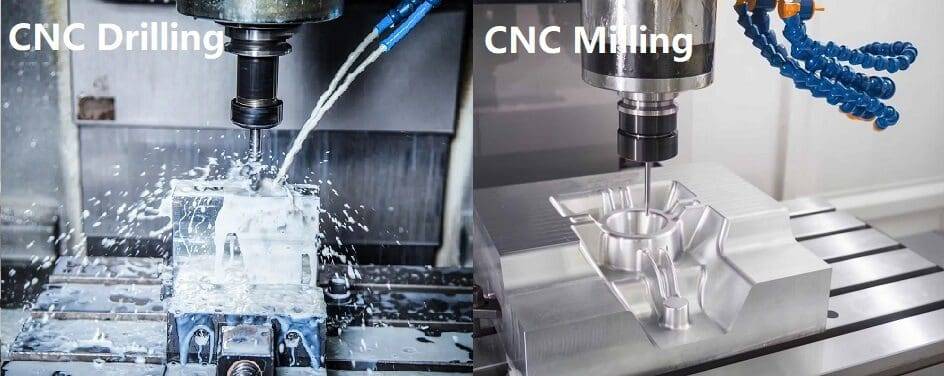
For low-volume prototyping, CNC machining or laser cutting may provide faster turnaround with minimal tooling expense. For high-mix, low-volume runs, YPMFG can evaluate whether a hybrid approach combining stamping and secondary machining delivers the best balance of cost and precision.
Common Risks in Custom Stamping Projects
Even experienced buyers encounter avoidable issues when working with new fabrication partners. Being aware of these risks helps you ask the right questions upfront and set realistic expectations.
Springback deviation – Certain materials, especially aluminum and stainless steel, naturally return slightly after forming. Proper die design accounts for this, but inadequate compensation leads to out-of-spec parts.
Die wear over time – Progressive dies experience gradual wear. Without preventive maintenance schedules, dimensional drift can accumulate silently across a production run.
Material coil variations – Inconsistent temper or thickness in incoming coil stock can cause feeding problems and part-to-part variation.
Underestimated lead times – Tool design, trial runs, and corrective iterations often extend delivery beyond initial estimates. Always confirm the full timeline before committing.
A transparent fabrication partner will address these risks proactively rather than discovering them after production has started. Requesting a pre-production sample run and reviewing the tooling design before full commitment are practical ways to reduce downstream surprises.
Cost Factors That Impact Your Final Price
Understanding the cost structure behind custom metal stamping fabrication makes it easier to evaluate quotes and negotiate effectively.
The lowest per-unit quote is not always the optimal choice. A cheap die with poor engineering may produce inconsistent parts, require frequent adjustments, and ultimately increase your total cost of ownership.
What to Check Before Selecting a Fabrication Partner
Making an informed supplier decision requires looking beyond price alone. The right partner for oem custom metal stamping fabrication should demonstrate competence across technical, operational, and communicative dimensions.
Key evaluation areas include:
Engineering capability – Can they review your drawings and suggest manufacturability improvements before tooling begins?
Tooling expertise – Do they design and build dies in-house, or outsource to third parties with limited oversight?
Quality systems – Are inspection reports, material certifications, and process controls documented and available?
Capacity alignment – Can their press fleet handle your required tonnage, bed size, and stroke rate?
Communication responsiveness – Do they provide clear timelines, proactive status updates, and straightforward answers to technical questions?
YPMFG offers engineering evaluation and material selection support at no additional cost during the quoting phase. Buyers who submit detailed specifications receive a structured review covering process feasibility, tooling approach, and recommended material grade before any commitment is made.
Common Questions About Custom Metal Stamping
What is the typical lead time for custom metal stamping fabrication?
Lead time depends on part complexity and tooling requirements. Simple blanking parts with existing similar tooling may ship within two weeks. Custom progressive dies typically require four to eight weeks for design, building, and trial runs before full production begins.
Can I get a sample before committing to full production?
Yes. Reputable fabricators provide pre-production samples from the actual tooling before approving mass production. These samples allow you to verify dimensions, fit, and finish against your specifications.
What file formats are needed to request a quote?
Most shops accept CAD files such as STEP, IGES, or native SolidWorks and Inventor formats. Technical drawings with clear dimension callouts and tolerance specifications are also helpful for accurate quoting.
Is there a minimum order quantity for custom stamping?
MOQ varies by supplier and part complexity. Some suppliers accommodate runs as small as 500 parts for simpler geometries. Higher-volume discounts usually kick in at 5,000 units or above.
How do I ensure consistent quality across a long production run?
Consistent incoming material, regular die maintenance schedules, in-process inspection points, and statistical process control documentation are the primary factors. Ask your fabricator about their quality control process before placing an order.
What happens if the parts do not meet my specifications?
A professional supplier will rework or replace non-conforming parts at their expense. Before starting production, clarify the rejection handling policy and confirm that the supplier accepts responsibility for out-of-spec output.
Can I modify an existing part design during production?
Design changes are possible but may require die modifications or new tooling. Minor adjustments like adding a hole or changing a bend angle are often feasible. Major geometric changes typically require a revised die and should be discussed with your fabrication partner before proceeding.
Choosing the Right Metal Stamping Partner for Your Project
The decision to invest in custom tooling is significant. The partner you select will influence not only unit pricing but also part consistency, delivery reliability, and the ease of future design iterations.
Focus your evaluation on technical competence, communication transparency, and proven process control. A supplier who asks detailed questions about your application, material constraints, and assembly requirements is demonstrating the kind of engagement that prevents costly mistakes downstream.
If you are exploring oem custom metal stamping fabrication options, you can send your specifications to YPMFG for a preliminary engineering review. The team can provide material recommendations, process feasibility assessment, and a structured quotation covering tooling,per-unit pricing, and estimated lead times.