
Quick answer:
A manual CNC machine is a computer-controlled machining center where the operator directly guides tool paths, part programs, or machine parameters during production. Unlike fully automated CNC systems that run unattended, manual CNC setups require human intervention for setup,monitoring, and adjustments. These machines are ideal for low-volume runs, prototyping, and complex one-off parts where flexibility matters more than throughput. The key advantage is operator control over切削参数, tool selection, and process optimization in real time.
Modern manufacturing still relies on manual CNC machines for specific applications. YPMFG supports projects requiring hands-on process control, from prototype development to small-batch production. Understanding when and why to use manual CNC methods helps buyers make smarter sourcing decisions.
The confusion around manual CNC machine usually comes from mixing up three different concepts: manually operated lathes, CNC machines with manual interface controls, and semi-automated systems requiring operator involvement. This guide clarifies what each term means and when manual intervention adds real value.
What Is a Manual CNC Machine?
A manual CNC machine combines computer numerical control with direct human operation. The machine follows programmed instructions, but the operator actively participates in critical steps. This may include loading materials, positioning tools, adjusting feed rates, or modifying part programs on the fly.
The operator’s role distinguishes manual CNC from full automation. In a fully automated cell, robots handle loading and unloading, and the system runs without supervision. In a manual CNC setup, skilled workers monitor quality, troubleshoot issues, and make decisions that affect the final output.
CNC machining services that offer manual operation give buyers access to adaptive manufacturing. The machine maintains precision and repeatability, while the operator brings contextual judgment. This hybrid approach works well when parts require custom fixturing, unusual materials, or unconventional geometries.
Types of Manual CNC Machines
Manufacturers classify manual CNC systems by how much human involvement is required. Each type serves different production needs and budget ranges.
Manual CNC lathes and mills remain popular in toolrooms and maintenance shops. These machines let technicians make quick adjustments without rewriting entire programs. The trade-off is slower cycle times compared to dedicated automation.
Why Choose Manual CNC Over Full Automation?
Full automation sounds efficient, but it does not fit every production scenario. Manual CNC machining offers practical advantages in specific situations.
Lower initial investment. A manual CNC machine costs significantly less than a robotic cell with pallet changers and auto-loaders. For small workshops or startups, this difference determines whether a project is financially viable.
Flexibility for varying part geometries. Automated systems excel at repetition. When each part requires different fixturing, tooling, or程序参数, manual intervention reduces setup time. Operators can swap tooling and adjust parameters faster than reprogramming an automation sequence.
Better problem-solving on the shop floor. Machines cannot diagnose why a cut is vibrating or why a tool is wearing unevenly. Experienced operators detect these issues early and adjust before defects accumulate. This reduces scrap and protects delivery schedules.
Simpler maintenance and repair. Manual CNC machines have fewer sensors, servos, and integration points. When something breaks, technicians can diagnose and fix problems without specialized training in robotics or PLC programming.
When Manual CNC Makes Sense for Your Project
Certain conditions favor manual CNC approaches over fully automated solutions. Recognizing these situations helps procurement teams avoid over-investing in automation they do not need.
Parts requiring frequent design changes benefit from manual operation. If engineering revisions happen weekly, reprogramming and retooling an automated line creates bottlenecks. An operator can adjust a manual CNC program within minutes.
Low-volume production rarely justifies automation costs. Running five or ten parts through a robotic cell means the fixed overhead of automation dwarfs the per-unit savings. Manual CNC delivers competitive pricing for quantities under one hundred pieces.
Complex materials often need manual oversight. Titanium, Inconel, and hardened steels require careful speed and feed management. Operators can listen to cutting sounds, observe chip formation, and adjust parameters to prevent tool breakage or material distortion.
Custom fixtures and non-standard clamping solutions work better with manual CNC. Automated systems expect standardized workpieces. When parts arrive in various orientations or require bespoke holding arrangements, human setup is faster and more reliable.
Cost Factors in Manual CNC Machining
Understanding cost drivers helps buyers evaluate quotes and avoid hidden expenses. CNC parts manufacturing pricing depends on several variables beyond machine type.
Material cost varies by alloy, shape, and grade. A block of 6061 aluminum costs less than a tube of 316L stainless steel. Material utilization rates also differ based on how efficiently the blank fits the final geometry.
Setup time scales with part complexity. Simple prismatic parts with few features require minimal preparation. Intricate components needing multiple operations, special tooling, and precise alignment consume more engineering hours upfront.
Processing time depends on cutting parameters, tool paths, and machine capacity. Operators running manual CNC can optimize speeds for quality rather than maximum feed rates. This may extend cycle time slightly but improves surface finish and dimensional accuracy.
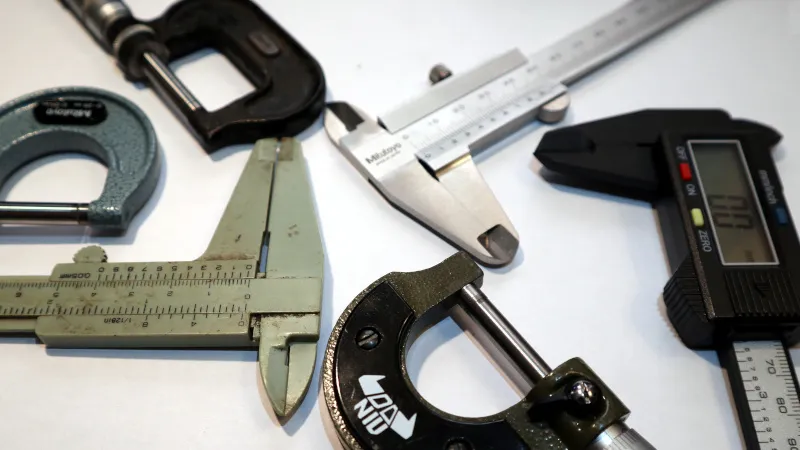
Quality inspection adds to total cost. Manual CNC parts often require in-process verification. Operators measure critical dimensions using calipers, micrometers, or CMMs between operations. This practice increases labor content but reduces the risk of shipping non-conforming parts.
Post-processing such as deburring, threading, or surface treatment introduces additional steps. Buyers should clarify whether quotes include these services or list them separately.
Quality Control in Manual CNC Operations
Manual CNC machining demands rigorous quality practices. Human involvement introduces both variability and control opportunities.
First-article inspection remains essential. Before running a full batch, operators produce one sample and verify all dimensions against engineering drawings. This step catches program errors, fixture misalignments, and tool wear issues early.
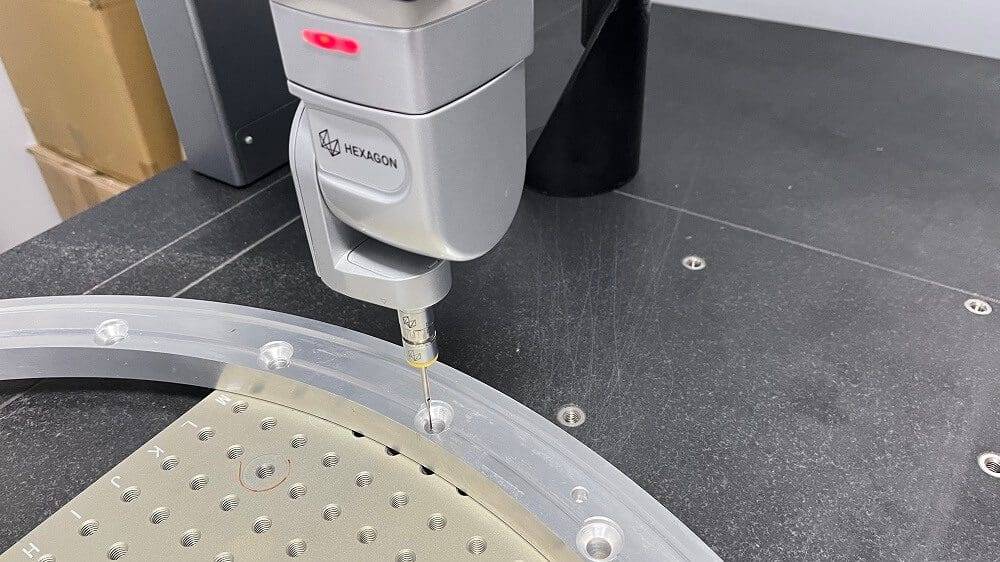
In-process checking prevents cumulative defects. Operators measure critical features after roughing and before finishing. If a dimension drifts, adjustments can be made without wasting material on a bad part.
Statistical process control becomes more challenging with manual operation. Automated systems log every parameter automatically. Manual CNC requires disciplined record-Keeping. Good shops track tool life, offset values, and inspection results for each job.
Surface finish quality depends heavily on operator skill. Feed rates, tool paths, and coolant application affect roughness. Experienced machinists understand how different materials respond to specific cutting conditions. They adjust accordingly to meet finish requirements without unnecessary rework.
Common Mistakes When Sourcing Manual CNC Services
Buyers sometimes make poor choices when outsourcing manual CNC machining. Avoiding these pitfalls saves time and money.
Expecting automated pricing for manual work creates disappointment. Manual CNC runs slower than high-speed automation. Quotes should reflect realistic cycle times, not theoretical maximums.
Ignoring setup complexity leads to unexpected costs. Parts requiring unusual fixtures, multiple setups, or special tooling will cost more than simple geometries. Request detailed breakdowns before committing.
Overlooking supplier capability is risky. Not all shops handle manual CNC equally well. Some specialize in high-volume automated production and lack experience with adaptive manual methods. Verify that your supplier has relevant expertise.
Assuming all manual CNC is the same ignores skill differences. Two operators running identical machines may produce very different results. Experience with material behavior, tool selection, and troubleshooting makes a significant quality difference.
Skipping first-article approval is dangerous. Never authorize full production without reviewing the first part. Early detection of issues prevents costly rework and delays later in the process.
How YPMFG Approaches Manual CNC Machining
YPMFG provides CNC machining services that balance manual flexibility with consistent quality standards. Our team understands when manual intervention adds value and when automation would be more appropriate.
We evaluate each project based on volume, complexity, material requirements, and delivery timeline. For low-volume or highly customized work, we recommend manual CNC approaches that allow real-time optimization. For repetitive production runs, we suggest semi-automated solutions that reduce per-unit cost.
Our engineers review specifications before quoting. This ensures accurate estimates for setup, processing, inspection, and post-processing. We also provide documentation including material certificates, inspection reports, and process records.
When you send your drawings and requirements to YPMFG, our team assesses whether manual CNC, semi-automatic, or fully automated methods best serve your needs. We prioritize long-term value over short-term savings.
Practical Questions Before Choosing Manual CNC
Buyers often ask the same questions when evaluating manual CNC machining options. Addressing these concerns early prevents misunderstandings later.
What is the minimum order quantity for manual CNC parts?
Many shops accept one piece as a minimum order. Manual CNC machining is well-suited for prototypes and single-part runs. There is no batch requirement forcing you to order more than needed.
How does manual CNC compare to fully automated CNC in terms of precision?
Precision depends on machine condition, tool quality, and operator skill, not automation level. A well-maintained manual CNC mill can hold tolerances within ±0.0005 inches when properly set up. Fully automated machines do not automatically guarantee tighter tolerances.
Can I modify the program during production if needed?
Yes. One advantage of manual CNC is the ability to adjust programs on the machine or via a connected computer. If design changes occur mid-run, operators can update tool paths and offsets quickly.
What documentation should I expect from a manual CNC supplier?
Reputable suppliers provide material certificates, first-article inspection reports, in-process check records, and final inspection summaries. Request these documents before production begins to ensure traceability.
Is manual CNC suitable for hard materials like titanium or Inconel?
Manual CNC often works better for difficult materials. Operators can listen to cutting sounds, observe chip formation, and adjust parameters to prevent tool damage. Fully automated systems may require extensive programming to handle these materials safely.
How do I verify a supplier’s manual CNC capability?
Ask for examples of similar parts they have produced. Request inspection reports and discuss their quality control process. Visit the facility if possible to observe machine condition and operator skill levels firsthand.
Making a Better Long-Term Decision
Manual CNC machining remains a practical choice for low-volume, high-mix production. It offers flexibility that full automation cannot match. The key is selecting the right supplier and understanding when manual intervention adds genuine value.
YPMFG supports buyers navigating these decisions. We provide engineering reviews, material recommendations, and transparent quoting for manual CNC machine projects. Whether you need a single prototype or a batch of custom parts, our team helps you choose the most efficient approach.
Send your specifications to YPMFG for a detailed evaluation. Our engineers will assess your requirements and recommend whether manual CNC, semi-automatic, or fully automated methods best meet your needs.