Quick answer:
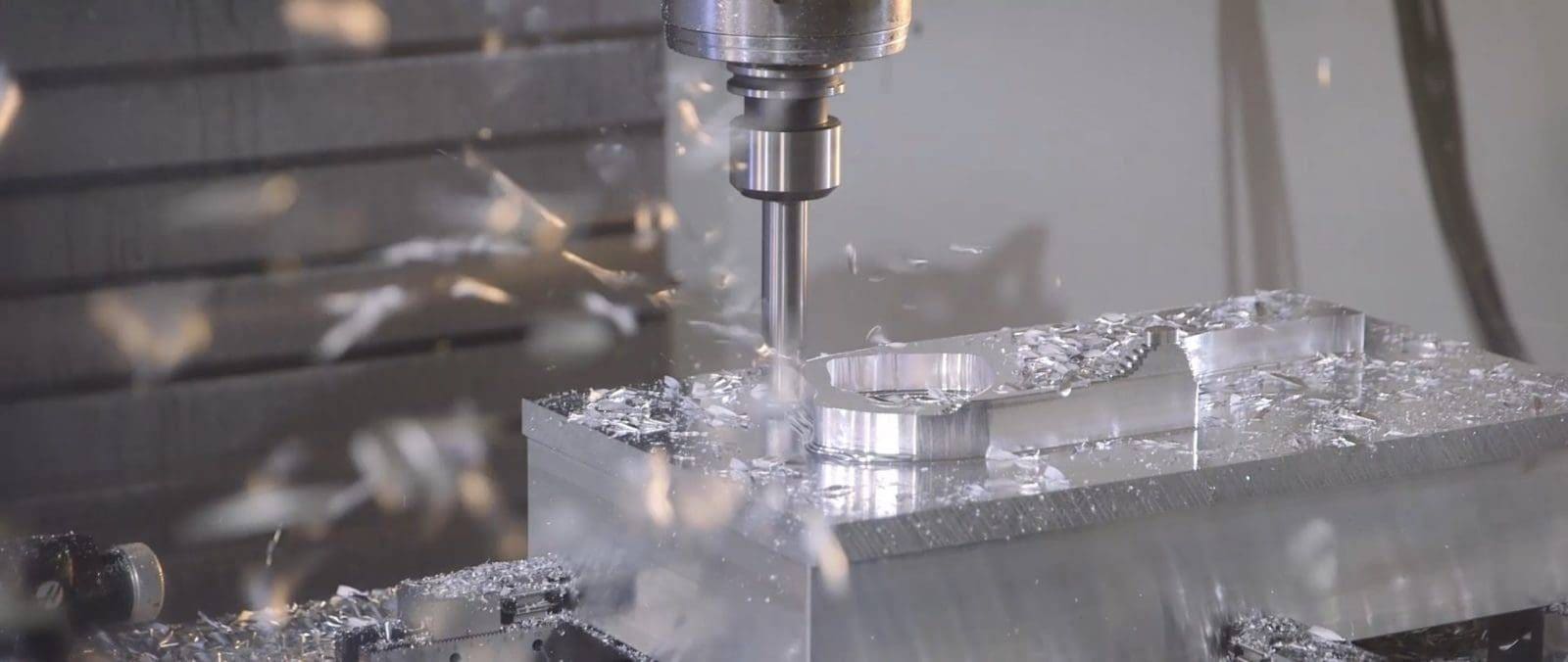
CNC milling bits are the cutting tools used in CNC milling machines to remove material from a workpiece. The right bit depends on your material, machine spindle, and the specific operation you need, such as roughing, finishing, slotting, or profiling. Choosing the wrong bit can lead to poor surface finish, broken tools, wasted material, and unnecessary downtime. This guide explains the main types, materials, coatings, and selection criteria so you can make a more confident purchasing decision.
Choosing the right CNC milling bits is often more complicated than it looks. Many buyers focus only on price or brand, only to discover that the tool fails mid-run or leaves a poor finish. The real cost of a milling bit is not just the purchase price—it is the impact on cycle time, scrap rate, tool changes, and machine utilization.
YPMFG works with CNC machining projects every day, and tool selection is one of the first things we review when a customer sends a drawing or a part file. The right bit can mean the difference between a smooth production run and a costly trial-and-error process.
Table of Contents
1. What Are CNC Milling Bits?
2. Common Types of CNC Milling Bits
3. Milling Bit Materials and Coatings
4. How to Choose the Right CNC Milling Bit
5. Common Mistakes When Selecting Milling Bits
6. Cost Factors and Hidden Risks
7. Questions Buyers Often Ask About CNC Milling Bits
8. Choosing the Right CNC Milling Bits for Your Application
What Are CNC Milling Bits?
A CNC milling bit is a rotary cutting tool mounted on a milling machine spindle. It removes material by rotating at high speed while the workpiece moves along multiple axes. Unlike drill bits, which only cut axially, milling bits can cut in multiple directions, including sideways and along contours.
The geometry of the bit—flute count, helix angle, cutting diameter, and shank type—determines how it behaves in different materials and operations. There is no universal bit that works well for every job. Each design is a trade-off between cutting speed, surface finish, tool life, and chip evacuation.
Common Types of CNC Milling Bits
Understanding the main categories helps you narrow down your options quickly. Each type is designed for a specific set of operations, and using the wrong one often leads to poor results or premature tool failure.
Flat End Mills
Flat end mills are the most common type of milling bit. They have a flat bottom with cutting edges on the side and the end. They are used for slotting, profiling, and general-purpose milling. A 2-flute flat end mill is better for softer materials and chip clearance, while a 4-flute version is often preferred for harder metals and better surface finish.
Ball Nose End Mills
Ball nose end mills have a rounded tip, which makes them ideal for 3D contouring, curved surfaces, and finishing work. The radius of the ball determines the detail level of the finished surface. These bits are commonly used in mold making and complex geometry parts.
Roughing End Mills
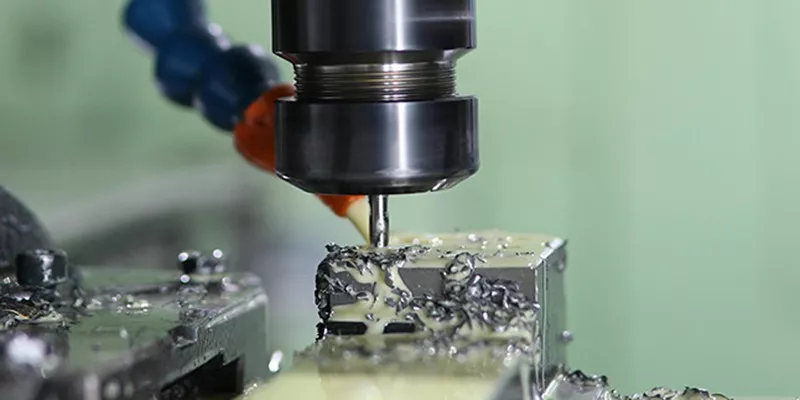
Roughing end mills, also called corn cob cutters, have serrated edges that break chips into smaller pieces. They remove material quickly but leave a rough surface. They are typically used for the first pass before a finishing tool is applied.
Drill Bits and Spotting Drills
Drill bits create holes, while spotting drills create a small starting point to guide the drill. They are not milling bits in the strict sense, but they are often part of the same tooling setup. For precision hole placement, a spotting drill followed by a standard drill is a common practice.
Chamfer Mills
Chamfer mills create angled edges or bevels on a workpiece. They are used for deburring, edge breaking, and preparing parts for welding or assembly. The angle of the chamfer is determined by the bit geometry, typically 45 or 60 degrees.
Thread Mills
Thread mills cut internal or external threads using helical interpolation. They are more versatile than taps because one tool can handle multiple thread sizes. They also produce less cutting force, which is helpful for thin-walled parts.
Milling Bit Materials and Coatings
The material and coating of a milling bit directly affect its performance and lifespan. Choosing the right combination depends on the workpiece material and the operating conditions.
The coating is not a substitute for correct cutting parameters. It helps, but the spindle speed, feed rate, and depth of cut still determine whether the tool performs well. If you are unsure which coating suits your material, it is often safer to start with a general-purpose TiN or TiAlN option and adjust based on test results.
How to Choose the Right CNC Milling Bit
Selecting the right bit is a systematic process, not a guess. Follow these steps to narrow down your options before purchasing.
Step 1: Identify your workpiece material.
Softer materials like aluminum and plastics allow higher speeds and require less robust tooling. Harder materials like stainless steel and titanium require carbide tools with heat-resistant coatings.
Step 2: Determine the operation type.
Roughing, finishing, slotting, contouring, and drilling each require different tool geometries. A roughing operation needs a tool designed for chip breaking, while a finishing pass needs a tool with more flutes for a smoother surface.
Step 3: Check your machine spindle.
The shank diameter must match your collet or holder. Also, consider the spindle speed range—some coated tools require high RPM to perform correctly, and not all machines can deliver that.
Step 4: Consider the tool reach.
For deep pockets or tall walls, you may need a longer reach bit. However, longer tools deflect more, which affects accuracy. Use the shortest tool that can safely reach the cutting area.
Step 5: Review recommended cutting parameters.
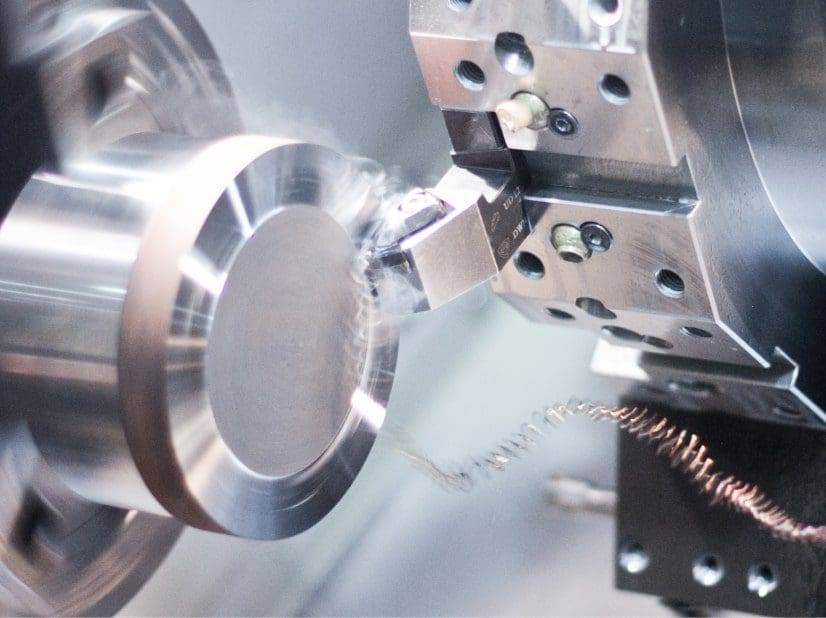
Tool manufacturers provide speed and feed charts for each bit. These are starting points, not absolute rules. You may need to adjust based on your machine rigidity, coolant setup, and material condition.
Step 6: Test before full production.
Run a small test piece to verify surface finish, tool wear, and dimensional accuracy. This is especially important for new materials or unfamiliar operations.
Common Mistakes When Selecting CNC Milling Bits
Many tooling problems are avoidable. The following mistakes appear frequently in both small shops and large production facilities.
Using one bit for every operation.
A general-purpose bit can handle many jobs, but it will not perform optimally for any of them. Dedicated tools for roughing, finishing, and contouring usually reduce cycle time and improve quality.
Ignoring the flute count.
Two-flute tools are better for chip evacuation in softer materials. Four-flute tools provide a better finish in metals but clog more easily in aluminum. Matching flute count to material is a basic but often overlooked step.
Forgetting about tool deflection.
Long tools bend under cutting pressure, causing tapered walls and poor tolerance. If you need a long reach, reduce the depth of cut or use a tool with a larger core diameter.
Buying based only on price.
A cheap bit may fail quickly, especially in production environments. The cost per part, not the cost per tool, is the better metric for evaluating value.
Skipping the test run.
Even experienced machinists cannot always predict how a new tool will perform. A short test on a scrap piece can save hours of rework and wasted material.
Cost Factors and Hidden Risks
The purchase price of a CNC milling bit is only one part of the total cost. Several other factors often have a larger impact on your overall budget.
Tool life and replacement frequency.
A more expensive carbide bit may last several times longer than an HSS bit, reducing downtime and labor costs. In many cases,the higher initial price is justified by lower cost per part.
Scrap and rework.
A poor-quality bit can cause chatter, poor finish, or dimensional errors. The cost of scrapped material and rework labor often exceeds the price of a better tool.
Machine downtime.
Every tool change stops production. Longer-lasting tools reduce the number of interruptions, which directly improves throughput.
Surface finish requirements.
If your customer requires a specific surface roughness, the wrong bit will force additional finishing passes or manual polishing. This adds labor time and cost.
Coolant and chip management.
Some coatings and geometries work better with flood coolant, while others are designed for dry machining. Mismatched setups can lead to built-up edge, poor finish, and shortened tool life.
Questions Buyers Often Ask About CNC Milling Bits
What is the difference between a 2-flute and a 4-flute end mill?
A 2-flute end mill has larger flutes, which allow better chip evacuation. It is generally preferred for softer materials like aluminum and plastics. A 4-flute end mill provides a smoother finish and better performance in harder metals, but it can clog when cutting materials that produce long chips.
Can I use the same milling bit for aluminum and steel?
Technically yes, but it is not recommended. Aluminum requires a tool with sharp edges and good chip clearance, while steel requires a tougher tool with heat-resistant coating. Using one bit for both materials often results in poor finish, rapid wear, or tool breakage.
How do I know when a milling bit needs to be replaced?
Signs include visible wear on the cutting edge, poor surface finish, increased cutting noise, higher spindle load, and dimensional drift on the workpiece. In production environments, it is often better to replace the tool on a fixed schedule rather than waiting for visible failure.
Does a more expensive milling bit always perform better?
Not always. A higher-priced tool usually has better material or coating, but it must match your application. If your machine lacks the rigidity or spindle speed to use the tool effectively, the extra cost will not translate into better results.
What is the best way to extend milling bit life?
Use the recommended cutting parameters, apply proper coolant, avoid excessive depth of cut, and keep the tool clean. Also, check the runout of your tool holder—excessive runout causes uneven wear and premature failure.
Do I need to match the shank size to my machine collet?
Yes. The shank diameter must match the collet or holder size. Using an adapter or reducing sleeve is possible, but it can introduce runout and reduce rigidity. For precision work, a direct match is always better.
Choosing the Right CNC Milling Bits for Your Application
The right milling bit is the one that matches your material, machine, and production goals. There is no single best tool, but there is a best tool for each specific job. Taking the time to evaluate your operation, test a few options, and track tool life will save money over the long term.
If you are unsure which bit geometry, coating, or material suits your parts, sending your specifications to an experienced machining partner is a practical first step. YPMFG can review your drawings, recommend suitable tooling strategies, and provide custom solutions for complex machining requirements. You can send your part files or specifications for an engineering review and receive practical guidance before you commit to a tooling purchase.