
Quick answer:
An aerospace CNC machine is a computer-controlled cutting system designed to produce high-precision metal and composite components used in aviation and defense applications. These machines must meet strict tolerances—often within ±0.025 mm—and handle difficult materials such as titanium, Inconel, and hardened aluminum. Selection depends on your part geometry, production volume, surface finish requirements, and regulatory compliance needs. Choosing the right equipment means balancing spindle power, axis configuration, tool capacity, and thermal stability against your actual engineering specifications rather than relying on generic machine ratings.
Aerospace manufacturing demands consistent quality, traceability, and repeatability. For procurement teams and engineering managers, selecting the correct CNC machining approach can determine whether a production run meets certification standards or requires costly rework. This guide breaks down the key factors that influence aerospace CNC machine selection so you can make a confident decision.
Core Requirements for Aerospace CNC Machining
Aerospace components operate under conditions that普通 industrial parts never face. Vibrations, extreme temperatures, and high mechanical stress are routine. This means the CNC machine must maintain dimensional stability across long production runs and deliver repeatable accuracy part after part.
The most critical specification to evaluate is positioning accuracy. Aerospace parts often require tolerances between ±0.01 mm and ±0.05 mm depending on the component function. Machines rated for standard manufacturing may not hold these tolerances consistently, especially when machining hard alloys that generate significant cutting forces.
Thermal compensation systems also matter. Spindle heat buildup and ambient temperature fluctuations can drift part dimensions over time. Quality aerospace CNC machines include temperature monitoring and automatic correction features that keep output within specification regardless of shop floor conditions.
Common Materials in Aerospace CNC Machining
Each material places different demands on the CNC machine. Titanium and Inconel require high rigidity, ample coolant flow, and sufficient spindle torque. Aluminum parts can be machined faster but may demand finer surface finish capabilities. Understanding which materials your projects require should drive your machine selection.
Tolerance and Surface Finish Standards
Aerospace components frequently need tighter tolerances than general manufacturing. GD&T callouts on engineering drawings must be achievable on the selected machine. Before committing to a machine, verify that its repeatability and positional accuracy match your drawing requirements.
Surface finish requirements in aerospace range from Ra 1.6 µm for structural mounting surfaces to Ra 0.4 µm for sealing faces and bearing journals. The machine’s spindle runout, vibration damping, and tool holding system directly affect the finish quality. High-quality automatic tool changers with balanced holders reduce chatter and improve consistency across batches.
If your parts require secondary operations such as electrical discharge machining or precision grinding, confirm that the CNC machine can hold the part securely for those follow-up processes without remounting errors.
Certification and Compliance Considerations
Many aerospace buyers require suppliers and their equipment to support compliance with industry standards. While the CNC machine itself is not typically certified, the machining process and documentation must meet applicable requirements. Key frameworks include:
AS9100 quality management standards for traceability
NADCAP accreditation for special processes
ITAR requirements for defense-related parts
Customer-specific quality agreements
YPMFG supports projects that require full dimensional inspection reports, material certifications, and first article inspection documentation. When evaluating a CNC machining partner or machine capability, ask whether their quality system can produce the records your aerospace program demands.
Cost Factors Beyond Machine Price
The purchase or service cost of an aerospace CNC machine extends far beyond the initial price tag. Total cost of ownership includes tooling wear, downtime, scrap rates, and energy consumption. Hard materials like Inconel can triple tooling costs compared to aluminum for similar part geometries.
Production volume also changes the cost equation. High-volume aerospace programs benefit from dedicated multi-spindle or turn-mill centers. Low-volume or prototype work may be more economical using a versatile 5-axis machining center. Evaluating your annual part count and mix helps avoid over-specifying or under-specifying your equipment investment.
Hidden costs often appear in fixturing and setup time. Complex aerospace geometries may require custom pallets, special clamping, or multiple setups. Machines with large work envelopes and high tool capacity reduce setup frequency and improve throughput.
How to Evaluate a CNC Machining Solution
Use the following checklist when assessing a CNC machining solution for aerospace applications:
Does the machine hold the tolerances your drawings require?
Can it machine your primary materials without excessive tool wear?
Does it include thermal compensation and vibration damping?
Is the tool magazine capacity sufficient to reduce setup changes?
Does the supplier provide inspection documentation and quality records?
Can the machine handle your largest part dimensions with margin?
Is after-sales technical support available for process optimization?
Does the supplier offer engineering evaluation for your specific parts?
YPMFG recommends sending your CAD files and drawing specifications for a free engineering assessment. This helps identify whether a standard machine setup or a customized process is needed before any commitment is made.
Comparison of Common Aerospace CNC Machine Types
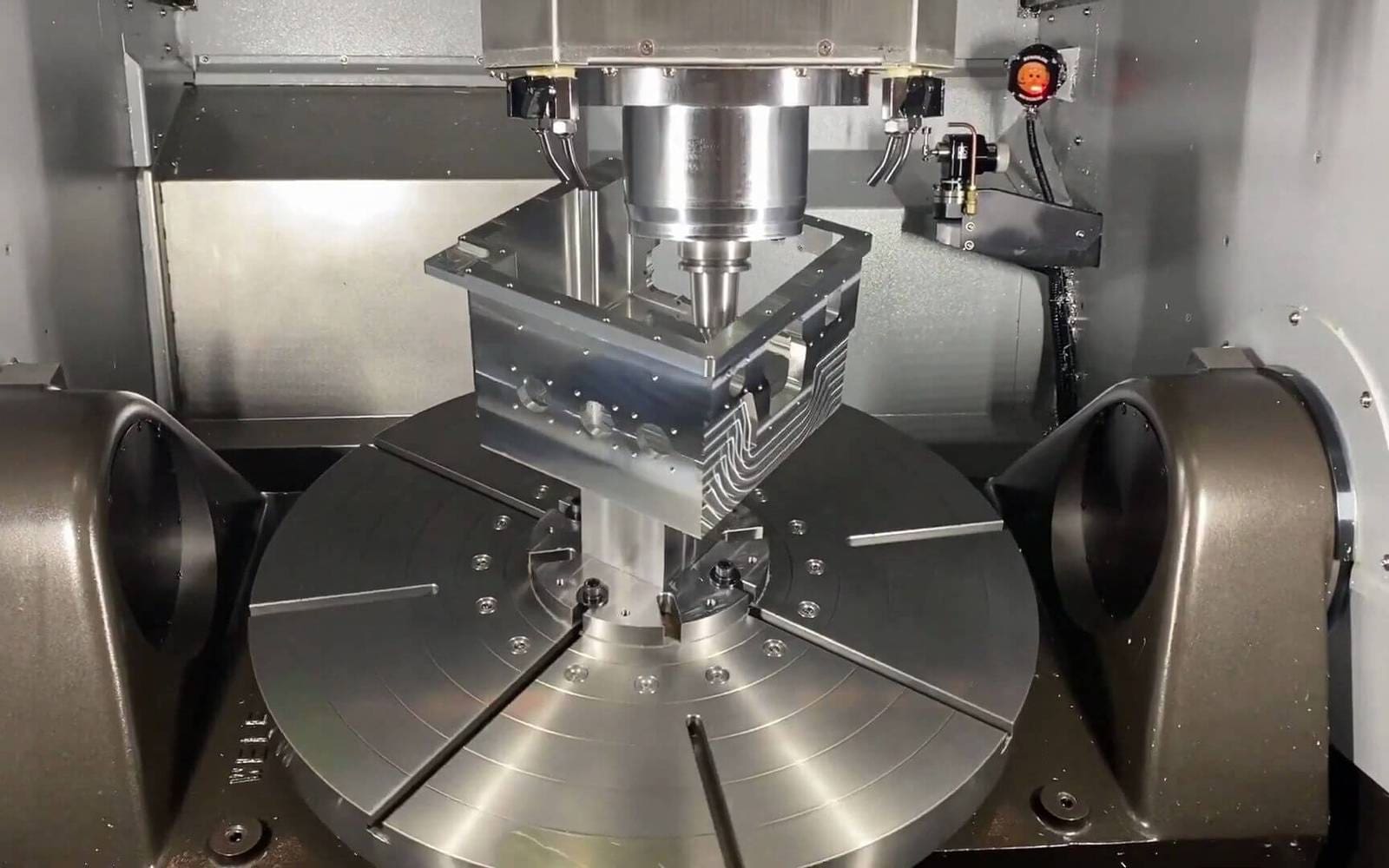
For most aerospace component work, a 5-axis CNC machining center provides the best flexibility. It reduces setups, improves accuracy by machining multiple faces in one clamping, and handles complex geometries that 3-axis machines cannot produce efficiently.
Common Pitfalls in Aerospace CNC Selection
Many buyers focus only on spindle speed and table size while overlooking factors that affect real-world performance. A machine with a 20,000 RPM spindle may look impressive on paper, but aerospace machining with titanium often runs at 4,000 to 8,000 RPM with high torque and conservative feeds.
Another common mistake is ignoring machine rigidity and frame construction. Lightweight castings and inferior guide ways deflect under cutting forces, causing dimensional drift and poor surface finish. Aerospace-grade machines use high-grade cast iron or welded steel frames designed to absorb vibration and maintain alignment over years of operation.
Some buyers also fail to consider software and programming support. Complex aerospace parts require advanced CAM strategies and toolpath optimization. Choosing a machine ecosystem that integrates with your existing CAM software and offers post-processor support prevents costly programming delays and errors.
Questions Buyers Often Ask About Aerospace CNC Machining
What tolerance can a typical aerospace CNC machine achieve?
Most precision aerospace CNC machines hold ±0.025 mm repeatability and ±0.01 mm positioning accuracy. Tighter tolerances are possible with specialized equipment and controlled environments.
Which CNC machine is best for titanium aerospace parts?
A rigid 5-axis machine with high torque spindle output and through-spindle coolant is ideal for titanium. Look for machines rated for hard alloy machining with active vibration damping.
Do I need AS9100 certification for the CNC machine itself?
No. AS9100 applies to the manufacturer’s quality management system, not individual machines. The machining facility should hold this certification to ensure consistent process control and documentation.
How does Inconel machining differ from aluminum?
Inconel requires lower cutting speeds, higher feed stability, and specialized tooling. It generates more heat and tool wear than aluminum, so machine rigidity and coolant capacity are more critical.
What is the typical lead time for aerospace CNC parts?
Standard production runs may take 2 to 6 weeks depending on complexity, material availability, and inspection requirements. Prototype and first-article parts often require additional time for verification.
Can a single machine handle both prototyping and production?
Yes, modern 5-axis CNC centers are versatile enough for both. However, dedicated production runs may benefit from optimized fixtures and programmed toolpaths that increase throughput.
What documentation should I expect from a CNC machining supplier?
Typical deliverables include dimensional inspection reports, material test certificates, first article inspection forms, and surface finish validation records. Confirm what is included before ordering.
Choosing the Right Approach for Your Aerospace Parts
Selecting the right CNC machining approach for aerospace applications requires matching machine capability to your specific engineering needs. Focus on tolerances, material compatibility, process documentation, and total cost rather than any single specification.
A thorough engineering evaluation of your drawings and requirements can reveal whether a standard machine setup is sufficient or if a customized process is necessary. Understanding your part volume,material mix, and quality documentation needs upfront prevents costly mismatches later in the procurement process.
Need Help Selecting the Right CNC Machining Solution?
You can send your specifications and engineering drawings to YPMFG for a professional review. The team provides free engineering assessments, customized machining proposals, and detailed quotation packages tailored to your aerospace component requirements. Contact them to compare your current setup or start a new project with confidence.