
Quick answer:
3-axis CNC machining uses a cutting tool that moves along X, Y, and Z axes to remove material from a workpiece. It is the most common and cost-effective CNC process for producing prismatic parts with flat surfaces, slots, holes, and simple contours. For most machined components, 3-axis is the first choice unless your part requires undercuts or multi-sided machining in a single setup.
At YPMFG, we work with buyers across industries who need reliable CNC 3 axis machining services. This guide breaks down how the process works, when to choose it, what affects your cost, and how to avoid common mistakes before you place your order.
How 3-Axis CNC Machining Works
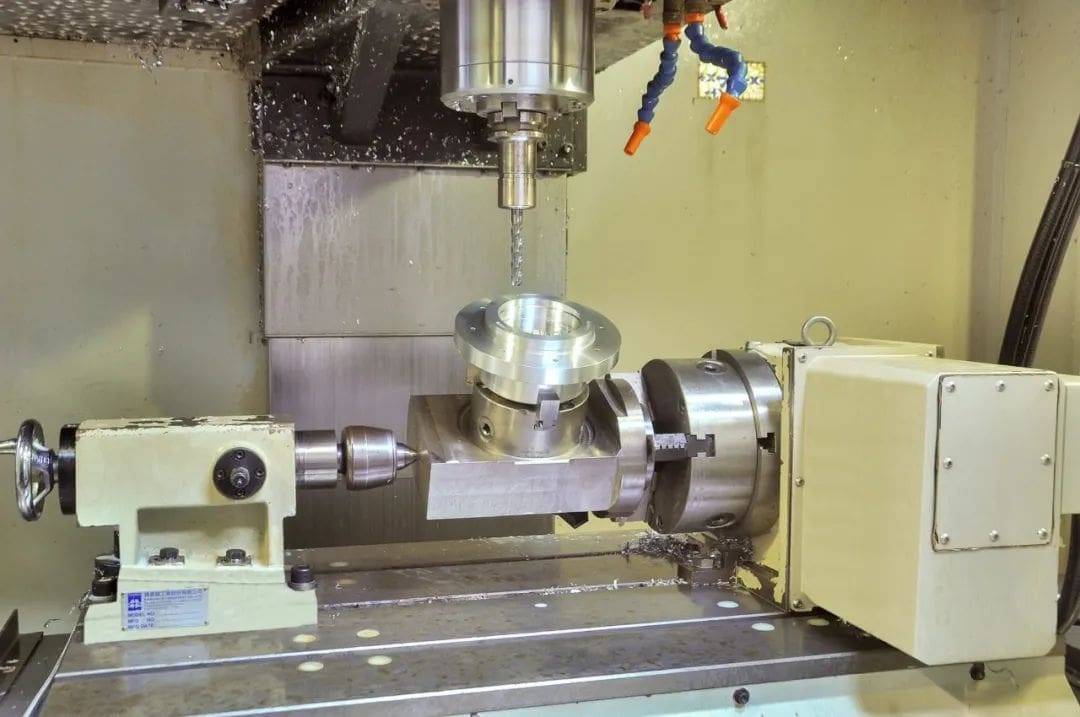
3-axis CNC machining moves the cutting tool along three linear axes simultaneously. The X-axis controls left and right motion. The Y-axis controls forward and backward motion. The Z-axis controls up and down motion. The workpiece stays fixed on the machine table while the tool approaches it from above.
This movement pattern makes 3-axis machining ideal for parts that can be machined from the top side. Complex geometries may require multiple setups, but most bracket-style, plate-style, and block-style parts are produced efficiently on a single 3-axis setup.
When to Choose 3-Axis Over 5-Axis Machining
The decision between 3-axis and 5-axis CNC machining depends on part geometry, tolerance requirements, and production volume.
3-axis machining is the right choice when your part has features accessible from one side or requires simple pockets, holes, and slots. 5-axis machining becomes necessary when the part has complex curved surfaces, steep undercuts, or features on multiple sides that cannot be reached without repositioning the workpiece.
From a cost perspective,3-axis machining typically delivers lower unit prices for high-volume production runs. CNC part manufacturing costs rise significantly with 5-axis equipment because of longer programming time, more expensive tooling, and slower material removal rates on complex paths.
Materials Suitable for 3-Axis CNC Machining
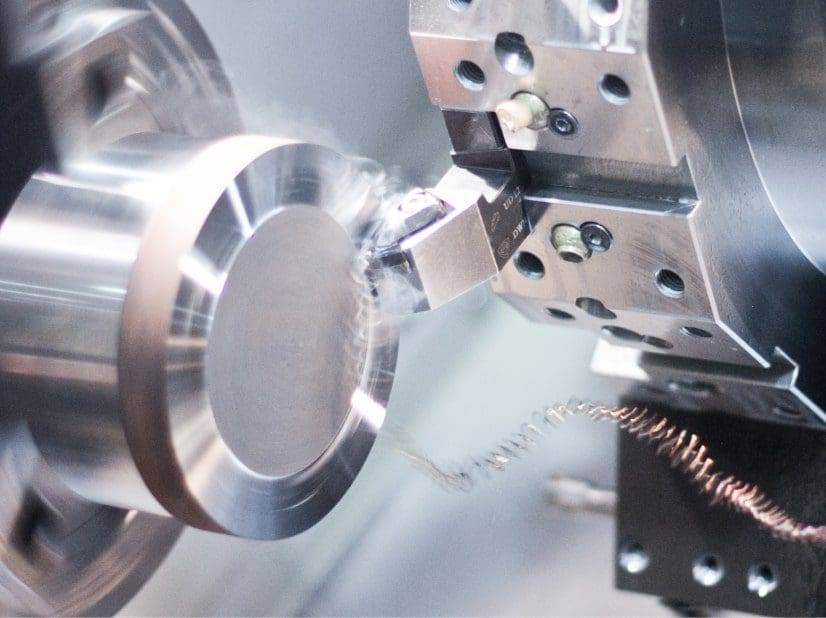
3-axis CNC machines can process a wide range of materials. The most commonly requested materials include aluminum alloys, stainless steel, carbon steel, brass, copper, and engineering plastics such as PEEK, Delrin, and nylon.
Material selection affects surface finish, machining speed, tool wear, and final part cost. Softer materials like aluminum allow faster feed rates and tighter tolerances. Harder materials like stainless steel require lower speeds, more powerful spindles, and specialized cutting tools.
YPMFG maintains a broad material inventory and can provide engineering assessment support to help you choose the right stock for your application.
Typical Tolerances and Surface Finish
Standard CNC machining tolerances for 3-axis processes range from ±0.05 mm to ±0.1 mm. Tighter tolerances around ±0.025 mm are achievable with careful process planning and stable workholding. Surface finish typically reaches Ra 1.6 to Ra 3.2 micrometers on standard mill finishes.
If your design requires tighter tolerance or finer surface finish, secondary operations such as grinding, polishing, or additional finishing passes may be necessary. These steps add lead time and cost, so it is important to communicate your exact requirements upfront.
What Drives the Cost of 3-Axis Machining
Several factors determine the final price of your machined parts. Material cost forms the base. Part complexity determines cycle time. Tolerance requirements influence tool selection and number of passes. Production quantity affects setup cost per unit.
Other cost drivers include secondary operations, special surface treatment, and inspection requirements. A part with simple geometry and standard tolerance will cost significantly less than one requiring tight tolerances and multiple setups.
When requesting a quote from a CNC machining service provider, always include your drawing, material specification, quantity, and any special requirements. This ensures you receive an accurate and comparable price.
Comparison: 3-Axis vs 4-Axis vs 5-Axis Machining
This table helps buyers understand which process aligns with their part requirements. Most standard industrial components fall into the 3-axis category and do not need the added cost of additional axes.
Common Mistakes When Ordering 3-Axis Machined Parts
One frequent mistake is designing features that require impossible tool access. Deep narrow pockets, sharp internal corners, and hidden undercuts often cause problems during machining. Tool diameter limits what can be cut. A standard end mill cannot reach inside a sharp internal corner, so designers should add relief fillets where possible.
Another common issue is specifying unrealistic tolerances on every feature. Not every dimension needs tight control. Over-specifying tolerance increases machining time, tool wear, and inspection cost without adding functional value.
A third mistake is submitting drawings without clear material or surface finish requirements. Always verify that your drawings include all critical dimensions,GD&T if required, material grade, and any post-processing needs before sending them to a manufacturer.
How YPMFG Supports Your 3-Axis Machining Projects
YPMFG provides end-to-end support for buyers seeking CNC parts manufacturing services. Our team reviews your drawings during the free engineering evaluation phase and flags potential issues before production begins. This proactive approach reduces surprise delays and costly rework.
We support multiple industries including automotive, electronics, medical devices, and industrial equipment. Our quoting process is transparent, and we provide detailed cost breakdowns so you can make informed decisions.
You can submit your specifications through our online request form and receive a response within one business day.
Practical Questions Before Choosing 3-Axis Machining
Is 3-axis machining suitable for my part?
If your part is primarily prismatic and features are accessible from the top, 3-axis machining is usually sufficient. Send your CAD model to our engineering team for a quick feasibility check.
What file formats do you accept?
We accept STEP, IGES, STL, and native CAD files. Dimensioned PDF or DWG drawings are also welcome.
What is the typical lead time?
Prototypes usually ship within 5 to 10 business days. Production quantities depend on part complexity and order volume. We provide estimated lead times with every quote.
Do you offer material selection support?
Yes. Our engineers can recommend materials based on your functional requirements, environmental conditions, and budget constraints.
Can you handle tight-tolerance projects?
Yes. We regularly produce parts within ±0.025 mm tolerance using proper process planning and calibrated equipment.
What quality documentation do you provide?
We provide inspection reports, material certificates, and first-article inspection documentation upon request.
Do you offer post-processing services?
Yes. We provide anodizing, powder coating, passivation, plating, and other surface treatments as needed.
How do I start a project with you?
Submit your drawings and specifications through our request form. Our team will review your design and provide a detailed quote with lead time within one business day.
Need Help Selecting the Right Machining Solution for Your Part?
3-axis CNC machining remains the most practical and economical choice for a wide range of industrial components. The key to a successful project is clear communication, realistic design, and an experienced manufacturing partner.
When you partner with YPMFG, you receive technical guidance from the start, accurate quotes, and consistent quality across every batch. If you have a part ready for production or simply want a design review, you can request a free quote or send your specifications to our engineering team.