
Quick answer:
Brass CNC machining is a subtractive manufacturing process that uses computer-controlled cutting tools to shape brass alloys into precise, complex parts. It is widely chosen for its excellent machinability, natural corrosion resistance, and attractive appearance. Parts are suitable for electrical connectors, valves, fittings, decorative hardware, and instrument components. The process delivers tight tolerances, smooth surface finishes, and high repeatability across both prototype and production runs.
Brass is one of the most commonly machined metals in CNC production. Its combination of workability and performance makes it a practical choice for engineers and procurement teams who need reliable components without excessive cost or lead time. At YPMFG, we support brass CNC projects from initial design review through final inspection, helping buyers reduce risk and make informed manufacturing decisions.
What Is Brass CNC Machining and Why Does It Matter
Brass CNC machining involves removing material from a brass workpiece using rotating cutting tools guided by CNC programs. The process is highly controlled, allowing consistent results across repeated production runs. Brass alloys respond well to turning, milling, drilling, tapping, and parting operations, which keeps cycle times reasonable even for complex geometries.
The material choice directly affects part performance. Brass offers good electrical and thermal conductivity, natural antimicrobial properties, and resistance to dezincification in many environments. These characteristics make it suitable for applications where durability and conductivity matter.
Selecting the right brass grade is essential. Different alloy compositions deliver different balances of strength, machinability, and corrosion behavior. A mismatch between material and application can lead to premature failure or unnecessary cost.
Brass Grades Used in CNC Machining
Choosing the correct brass alloy is one of the most important decisions in a machining project. The grade determines how the material cuts, how it performs in service, and whether it meets regulatory requirements.
Each grade has distinct cutting behavior and finishing requirements. C36000 is the most popular choice for general CNC turning and milling because it produces clean chips and achieves fine surface finishes quickly. C46400 is preferred when exposure to water or salt environments is expected. Phosphor bronze grades like C51000 are selected for parts that require higher mechanical strength.
YPMFG can help buyers select the appropriate brass grade based on application requirements, environmental exposure, and regulatory constraints.
Common Applications of Brass CNC Machined Parts
Brass CNC parts appear across many industries because the material balances performance, cost, and manufacturability. Understanding where brass performs best helps buyers avoid over-specifying or under-specifying their components.
Electrical and electronics applications benefit from brass conductivity and spring properties. Connectors, terminals, and contact pins commonly use C26000 or C51000 grades. These parts require consistent dimensional stability and reliable electrical performance.
Plumbing and fluid control components frequently use C36000 or C46400. Valves, fittings, and manifold blocks benefit from brass natural resistance to corrosion and its ability to seal effectively under pressure. Leaded brass grades are being replaced in some regions due to regulatory restrictions, so buyers should verify compliance requirements early.
Decorative and architectural hardware often uses brass for its aesthetic qualities. Finishes such as polishing, plating, or patination can be applied after machining without compromising dimensional accuracy.
Instrument and precision device components rely on brass stability and machinability. Gauge blocks, adjustment screws, and calibration parts often use free-cutting brass for repeatable tolerances.
Cost Factors in Brass CNC Machining
Brass is generally more affordable than stainless steel or titanium, but several factors still influence final part cost. Understanding these variables helps buyers evaluate quotes accurately and avoid unexpected expenses.
Material cost varies by alloy grade and market conditions. C36000 is typically the most cost-effective option for high-volume production. Specialized grades or regulated compositions may carry a premium.
Part geometry has a direct impact on machining time. Simple cylindrical parts with minimal features machine faster than components with complex pockets, thin walls, or deep holes. Each additional operation adds time and cost.
Tolerance requirements significantly affect pricing. Standard tolerances around ±0.005 inches are achievable at reasonable cost. Tighter tolerances below ±0.001 inches require additional finishing steps, slower cutting speeds,and more inspection time.
Surface finish specifications also influence cost. A standard machined finish is usually sufficient for functional parts. Mirror polishing, electroplating, or anodizing adds post-processing steps and cost.
Lead time is another cost factor. Standard production runs follow established scheduling. Rush orders or small prototype batches may carry expedited fees.
Quality Standards and Inspection Practices
Brass CNC machined parts should meet defined quality standards to ensure they perform correctly in their intended application. Quality verification reduces the risk of assembly failures, field defects, and warranty claims.
Dimensional inspection is the foundation of quality control. Critical features should be verified using calibrated gauges, coordinate measuring machines, or optical comparators. Inspection reports should document actual measurements against specified tolerances.
Material certification confirms that the correct brass alloy was used. Mill test reports or certificates of compliance should be available for traceability, especially for regulated industries.
Surface finish evaluation ensures the part meets functional and aesthetic requirements. Roughness measurements should be taken at specified locations using appropriate instruments.
Visual inspection identifies surface defects such as burrs, tool marks, discoloration, or machining damage. These issues can affect assembly, performance, or appearance.
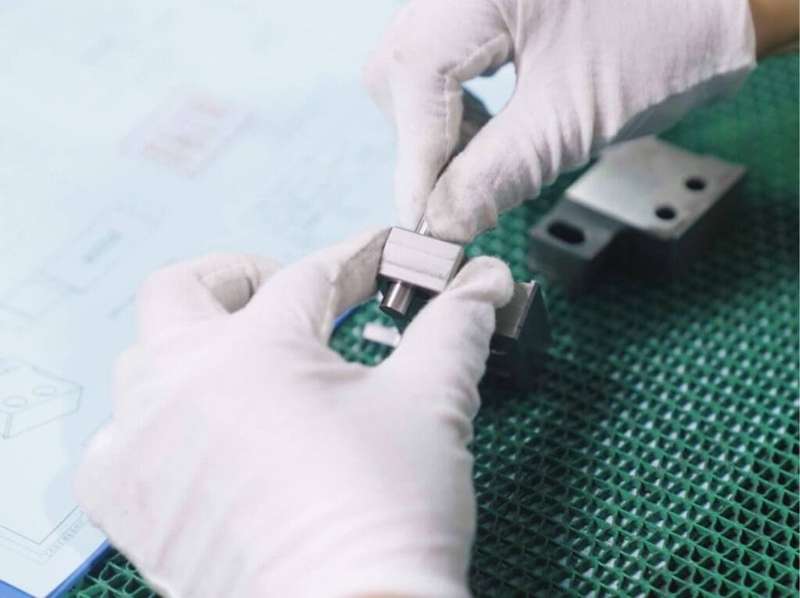
YPMFG provides engineering evaluation and documentation support for brass CNC projects, helping buyers verify that parts meet their quality expectations before full production begins.
Common Mistakes to Avoid in Brass CNC Machining
Even experienced buyers can encounter avoidable problems when ordering brass CNC parts. Recognizing these pitfalls early prevents delays, rework, and unnecessary cost.
Specifying impossible tolerances is a frequent error. Designers sometimes request tolerances that exceed what brass machining can reliably achieve, leading to rejected parts or inflated pricing. Tolerances should reflect actual functional requirements, not arbitrary precision goals.
Ignoring material selection consequences is another common mistake. Using a standard free-cutting brass in a lead-restricted application can cause compliance failures. Buyers must verify that the selected alloy meets regulatory and application requirements.
Overlooking chip removal and tool access during design leads to machining difficulties. Internal corners with zero radii, deep narrow slots, and unsupported thin walls create tool deflection, breakage, or surface quality issues. Designing with manufacturability in mind reduces these risks.
Skipping prototype validation before full production is risky. Testing a small batch of parts in the actual assembly or environment reveals fit, function, and finish issues that drawings alone cannot predict.
Not specifying surface treatment requirements can result in unexpected outcomes. Brass parts may oxidize, tarnish, or react with plating processes if surface preparation is not addressed. Clear specifications prevent ambiguity.
How to Choose the Right Brass CNC Machining Partner
Selecting a capable machining partner is as important as choosing the right material. A qualified supplier understands brass behavior, offers appropriate quality controls, and communicates clearly throughout the project.
Evaluate the supplier’s experience with brass alloys and similar applications. Ask about their typical tolerances, surface finish capabilities, and inspection processes. A partner who understands your industry requirements will ask clarifying questions rather than simply accepting drawings.
Review their quality documentation and traceability practices. Suppliers who provide material certifications, inspection reports, and process controls demonstrate commitment to consistent quality.
Consider their engineering support capabilities. A supplier that offers design feedback, manufacturability suggestions, and material recommendations adds value beyond basic machining.
Assess their communication and responsiveness. Projects progress more smoothly when questions are answered promptly and progress is reported clearly.
YPMFG supports buyers through every stage of brass CNC projects, from initial specification review and material selection to production and quality documentation. You can send your drawings or specifications to YPMFG for a free engineering assessment.
Practical Questions Before Choosing Brass CNC Machining
What brass alloy should I use for my part?
The best alloy depends on your application requirements. C36000 is ideal for general machining with excellent chip formation. C46400 suits marine or high-corrosion environments. C51000 provides higher strength for load-bearing parts. Share your application details with your machining partner for a recommendation.
Can brass CNC parts be plated or coated after machining?
Yes. Brass accepts electroplating, polishing, and patination treatments well. Common platings include nickel, chrome, gold, and silver. Surface preparation and plating compatibility should be discussed with your supplier before machining begins.
What tolerances are achievable with brass CNC machining?
Standard tolerances of ±0.005 inches are routinely achieved. Tighter tolerances down to ±0.0005 inches are possible with careful process control and additional finishing operations. Specify only the tolerances your design actually requires.
Is leaded brass still available for CNC machining?
Leaded brass grades like C36000 are still widely used in many regions. However, some applications and markets have lead restrictions. Verify regulatory requirements for your target market and application before selecting a leaded grade.
How long does brass CNC machining typically take?
Lead times vary by part complexity, quantity, and supplier capacity. Simple parts in standard materials may ship within days. Complex parts with tight tolerances or special finishes may require one to three weeks. Request a timeline estimate from your supplier based on your specific requirements.
What finishing options are available for brass parts?
Common finishes include as-machined, buffing, polishing, plating, passivation, and powder coating. The right finish depends on functional needs, appearance requirements, and environmental exposure. Discuss finish options with your machining partner during the quoting process.
Need Help Selecting the Right Brass CNC Solution
Brass CNC machining is a proven manufacturing method that delivers precision, performance, and cost efficiency for a wide range of applications. The key to success lies in selecting the right alloy, defining realistic tolerances, and partnering with a supplier who understands your requirements.
YPMFG provides comprehensive support for brass CNC projects, including material selection guidance, engineering review, prototyping, and production quality control. You can send your specifications or drawings to YPMFG for a free evaluation and competitive quote.