
Quick answer:
Metal works refers to the processes used to shape, cut, and finish metal parts for industrial and commercial applications. For most buyers, this means CNC machining services that deliver precision components from materials like aluminum, steel, stainless steel, brass, and engineering plastics. The right manufacturer should offer engineering evaluation, material selection guidance, and consistent quality control. If you have drawings or specifications ready, sending them to a qualified shop is the fastest way to get an accurate quote and timeline.
Metal parts are required across nearly every manufacturing sector, from automotive and aerospace to medical devices and consumer electronics. The challenge for buyers is not finding a machine shop, but finding one that can meet tight tolerances, deliver on schedule, and maintain consistent quality across production runs.
At YPMFG, we work with engineering and procurement teams who need reliable CNC parts manufacturing without the uncertainty that comes from vague specifications or inconsistent suppliers. This guide covers what matters most when evaluating metal works capabilities.
What Metal Works Involves
Metal working encompasses a range of processes used to transform raw metal stock into finished components. The most common methods include:
CNC milling for complex 3D geometries and precision features
CNC turning for cylindrical parts such as shafts, bushings, and pins
Sheet metal fabrication for enclosures, brackets,and structural parts
Secondary operations including threading, tapping, surface finishing, and heat treatment
Each process serves different design requirements. A single component may pass through multiple stages before it is ready for assembly or shipment.
Common Materials Used in Metal Works
Material selection is one of the most important decisions in any machining project. The wrong choice can lead to premature failure, excessive cost, or unnecessary lead time.
Material choice affects not only performance but also machining cost and lead time. Softer materials like aluminum machine faster, while harder alloys require more tool changes and longer cycle times.
Key Tolerances and Surface Finish Standards
Precision requirements vary widely depending on the application. Understanding standard tolerance ranges helps buyers set realistic expectations and avoid over-specifying features that add cost without improving function.
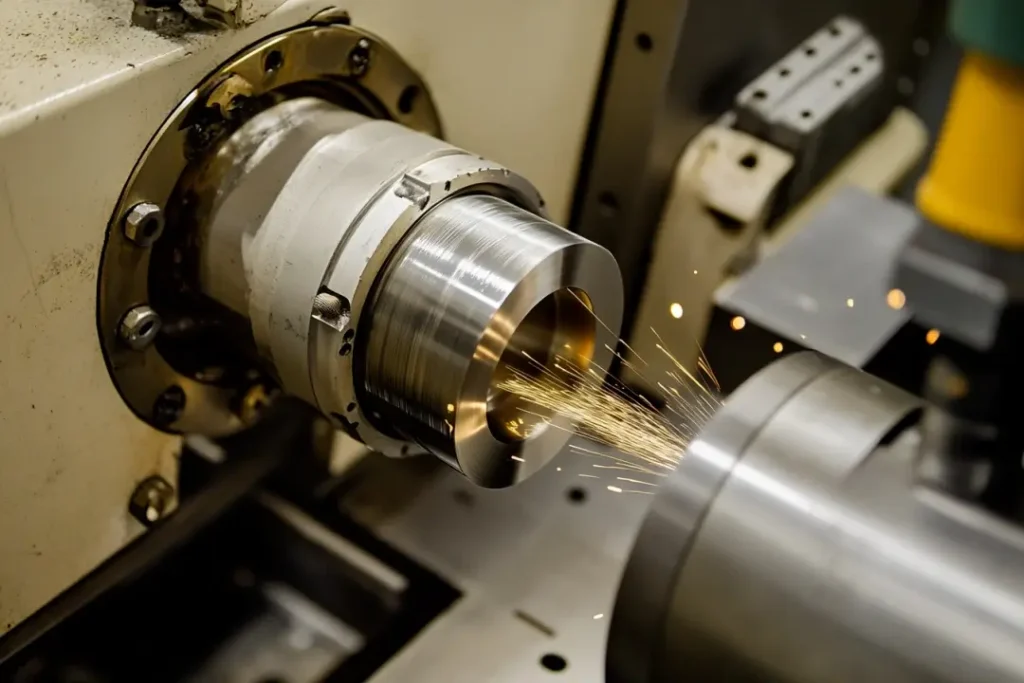
For general CNC milled parts, a tolerance of ±0.005 inches (±0.127 mm) is commonly achievable. Critical mating surfaces may require ±0.001 inches (±0.025 mm) or tighter. CNC turned components typically hold ±0.002 inches (±0.05 mm) as a standard range.
Surface finish is measured in microinch Ra values. A standard mill finish typically ranges from 125 to 250 µin Ra. Ground or polished surfaces can reach 8 to 16 µin Ra. Anodizing, passivation, plating, and powder coating are common secondary treatments that improve appearance and corrosion resistance.
Factors That Influence Metal Works Pricing
Understanding cost drivers helps buyers make smarter sourcing decisions and avoid surprises during the quotation process.
Part complexity is the primary factor. A simple block with a few drilled holes costs far less than a complex housing with internal passages, thin walls, and tight tolerances.
Material cost varies significantly. Aluminum is generally more affordable than stainless steel or titanium. Specialty alloys and imported grades carry a premium.
Order quantity affects unit pricing through setup amortization and cycle time optimization. High-volume runs reduce per-part cost, while one-off prototypes carry higher setup charges.
Tolerance and finish requirements directly impact machining time and tool wear. Tighter tolerances often require additional passes, slower feed rates, and specialized tooling.
Secondary operations such as threading, knurling, anodizing, and assembly add both time and cost. It is important to clarify which operations are included in a quote and which are optional.
How to Choose a Reliable Metal Works Supplier
Selecting a manufacturer is not just about price. Buyers who focus only on unit cost often encounter quality issues, delayed shipments, or miscommunication later in the project.
Start by reviewing the supplier’s technical capabilities. A shop that advertises CNC milling and turning should also demonstrate experience with your specific material and tolerance requirements. Ask about machine capacity, tooling inventory, and inspection equipment.
Quality documentation is another important indicator. Request sample reports, first article inspection results, and material certificates before committing to a production order. A capable supplier will have these documents readily available.
Communication matters as much as capability. A responsive engineering team that asks the right questions about your application, load conditions, and environmental exposure can prevent costly design revisions.
YPMFG provides engineering evaluation and material selection support as part of our standard service. When you send your specifications, our team reviews the design for manufacturability and offers practical recommendations before quoting.
Common Mistakes in Metal Parts Procurement
Even experienced buyers make avoidable errors when ordering machined components. Being aware of these pitfalls can save time, money, and production delays.
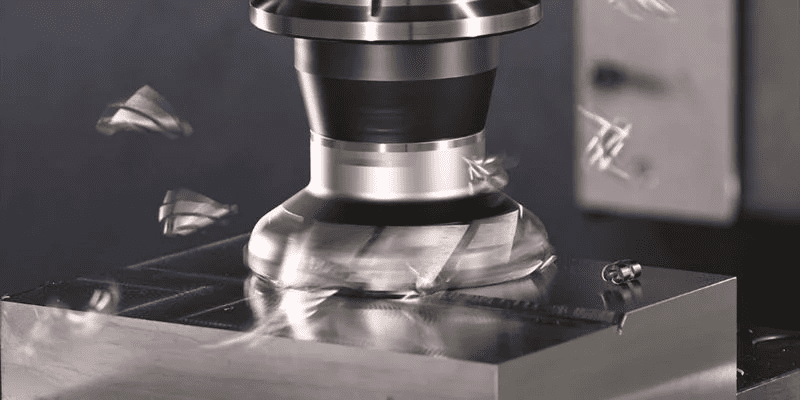
Over-specifying tolerances is one of the most frequent mistakes. Adding ±0.001 inch tolerance to every feature dramatically increases cost without improving part function. Only specify tight tolerances where they are actually required.
Ignoring material certifications can create compliance issues, especially in regulated industries. Always request material test reports and verify that the supplied material matches your specification.
Underestimating lead time for complex parts or exotic materials is common. Long-lead materials and multi-operation parts require more scheduling flexibility than standard stock items.
Skipping the prototype phase before full production runs is risky. A short prototype order allows you to verify dimensions, fit, and finish before committing to a larger batch.
Quality Control in Metal Works
Quality control is not a single inspection step. It is a series of checks performed throughout the manufacturing process to ensure consistency and compliance.
First article inspection verifies that the initial part meets all drawing specifications. This is especially important for custom components where tooling setup directly affects dimensional accuracy.
In-process inspection catches deviations before they become costly rework or scrap. Coordinate measuring machines, optical comparators, and surface roughness testers are standard tools used during production.
Final inspection confirms that finished parts meet all requirements before shipment. A complete inspection report should include dimensional data, surface finish measurements, and material certification references.
When working with YPMFG, every order includes a quality inspection report. You can request additional documentation such as CMM reports, material certificates, or process validation records at any time.
Applications Across Industries
Metal working capabilities serve a wide range of industries, each with its own performance and compliance requirements.
The automotive industry relies on precision components for engines, transmissions, suspension systems, and braking assemblies. Materials must withstand high stress, thermal cycling, and vibration.
The aerospace sector demands the highest standards for material integrity and dimensional accuracy. Titanium and high-strength aluminum alloys are commonly used in structural and engine components.
Medical device manufacturers require clean, biocompatible materials and strict traceability. Stainless steel and titanium parts must meet rigorous surface finish and contamination standards.
Industrial equipment and robotics applications need durable components that maintain precision under repeated loading and environmental exposure.
Common Questions About Metal Works
What is the difference between CNC milling and CNC turning?
CNC milling uses rotating cutting tools to remove material from a stationary workpiece, creating complex 3D shapes. CNC turning rotates the workpiece against a stationary cutting tool, producing cylindrical parts such as shafts and bushings. Many projects require both processes.
How long does a typical CNC machining order take?
Lead time depends on part complexity, material availability, and order quantity. Simple prototypes can ship within a few days. Complex production runs may require one to three weeks. Request a timeline estimate when you submit your specifications.
Can you machine parts from my existing drawings?
Yes. You can send your engineering drawings, CAD files, or specification documents for review. Our team will assess manufacturability and provide feedback before quoting. Clear and complete documentation reduces the risk of errors and rework.
What surface finishes are available for machined parts?
Standard finishes include as-machined, bead blast, anodizing, passivation, plating, and powder coating. The appropriate finish depends on your application requirements for corrosion resistance, appearance, and friction characteristics.
Do you provide material certificates with each order?
Yes. Material certificates are included with every shipment. Additional documentation such as CMM reports and process validation records can be requested for regulated industries or internal quality audits.
How do I get a quote for a metal parts project?
Send your drawings, specifications, and quantity requirements to our engineering team. We will review your design, recommend optimal materials and processes, and provide a detailed quote with lead time and pricing breakdown.
Need Help Selecting the Right Metal Works Solution?
Choosing the right manufacturer for your CNC machining project requires more than comparing unit prices. It involves evaluating technical capability, quality systems, communication responsiveness, and long-term reliability.
At YPMFG, we support buyers at every stage of the procurement process. From initial engineering evaluation and material selection to final inspection and documentation, our team works with you to ensure the parts meet your specifications and timeline.
You can send your drawings, specifications, or technical requirements to YPMFG for a free engineering review and quote. Our team will respond with practical recommendations and a transparent cost estimate tailored to your project.