Quick answer:
Stainless steel CNC milling parts are precision-machined components produced from stainless steel grades such as 303, 304, and 316, using computer-controlled milling equipment. These parts are widely used in industries that require corrosion resistance, strength, and dimensional accuracy. The right grade, surface finish, and tolerance level depend entirely on the application environment. Buyers should verify material certificates, machining capability, and quality inspection processes before placing production orders.
Choosing stainless steel CNC milling parts is rarely a straightforward purchasing decision. Many buyers struggle with material selection, tolerance interpretation, and unexpected lead times. The cost of a part goes beyond the unit price, and small specification errors can delay an entire assembly line. This article explains what to check before you send a drawing, how to compare suppliers, and where most projects go wrong.
Table of Contents
1. Why Stainless Steel Is Used for CNC Milling
2. Common Stainless Steel Grades for CNC Milling
3. Key Specifications to Include in Your Drawing
4. Surface Finish and Passivation Options
5. How to Evaluate a CNC Milling Supplier
6. Cost Factors That Affect Stainless Steel Milling
7. Common Mistakes in Stainless Steel Milling Projects
8. Questions Buyers Often Ask About Stainless Steel CNC Milling
9. Choosing the Right Stainless Steel Milling Partner
Why Stainless Steel Is Used for CNC Milling
Stainless steel is specified when a component must resist corrosion, handle mechanical stress, or maintain hygiene standards. Unlike carbon steel, stainless steel contains chromium, which forms a protective oxide layer on the surface. That layer is what prevents rust and chemical attack in demanding environments.
CNC milling is a preferred process for stainless steel because it offers repeatable accuracy across medium and high-volume production runs. Milling can produce complex geometries, threaded holes, slots, and contoured surfaces that other forming methods cannot achieve economically. For low-volume prototypes or replacement parts, CNC milling is often the fastest path from drawing to finished component.
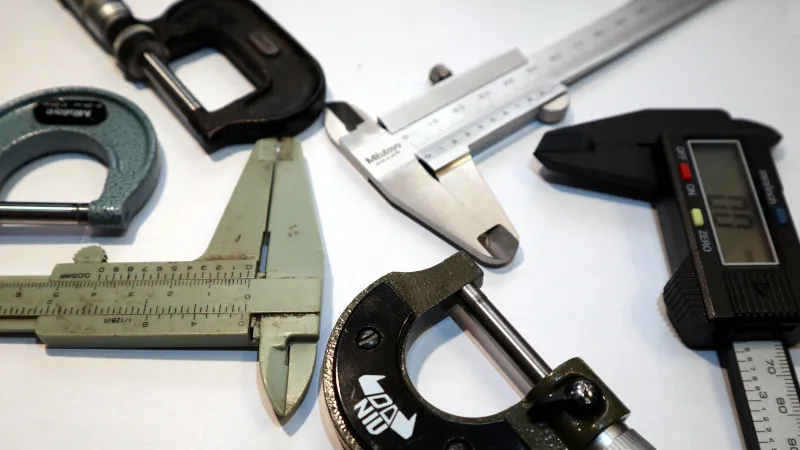
The combination of stainless steel and CNC milling is common in medical devices, food processing equipment, marine hardware, and industrial automation. Each application places different demands on the material, which is why grade selection should never be treated as an afterthought.
Common Stainless Steel Grades for CNC Milling
Not all stainless steel machines the same way. The grade affects tool wear, cutting speed, surface quality, and final part performance. Below is a practical comparison of the grades most frequently used in CNC milling.
303 is the easiest stainless steel to machine, which makes it a common choice for high-volume parts. However, its corrosion resistance is slightly lower than 304. 304 offers a balanced combination of machinability and corrosion performance for general industrial use. 316 adds molybdenum for superior resistance to chlorides and saltwater, but it is harder to cut and increases machining time. 17-4 PH provides high strength after heat treatment and is used when mechanical properties are the priority.
For most CNC milling projects, 304 and 316 cover the majority of requirements. If your part will be exposed to seawater, chemicals, or outdoor environments, 316 is usually the safer choice. If the part is purely mechanical and corrosion exposure is minimal, 303 or 304 can reduce cost without sacrificing function.
Key Specifications to Include in Your Drawing
A complete drawing is the foundation of an accurate quote and a successful machining run. Missing information forces the supplier to make assumptions, which often leads to rework or delays.
Your drawing should clearly state the material grade and any required condition, such as annealed or cold-drawn. The tolerance requirements for critical dimensions must be specified, especially for mating surfaces and threaded features. General tolerances can follow ISO 2768 or your own company standard, but critical dimensions need explicit callouts.
Surface finish is another specification that is frequently overlooked. A part that looks fine to the eye may fail a functional requirement if the roughness value is not controlled. State the required Ra value, such as Ra 1.6 or Ra 0.8, and identify which surfaces need it. Thread specifications should include size, pitch, class of fit, and depth. If the part requires deburring, edge break, or passivation, write those requirements directly on the drawing.
The more complete the drawing, the fewer questions the machinist needs to ask. That translates into faster quoting, fewer errors, and a smoother production run. If you are unsure which tolerances are realistic for your part geometry, ask the supplier for an engineering review before the drawing is finalized.
Surface Finish and Passivation Options
Stainless steel parts often require additional finishing beyond standard machining. The right finish improves corrosion resistance, appearance, and functional performance.
As-milled surfaces typically have visible tool marks and a roughness around Ra 3.2 to Ra 6.3. Many industrial parts are acceptable at this level, but some applications need a smoother result. A machined finish at Ra 1.6 or Ra 0.8 is common for sealing surfaces, bearing fits, and components that must be easy to clean.
Passivation is a chemical treatment that removes free iron from the surface and promotes the formation of the protective chromium oxide layer. It is not a coating, and it does not change the part dimensions. Passivation is recommended for parts used in food processing, medical devices, and pharmaceutical equipment. If your part will be exposed to moisture or cleaning agents, passivation should be specified on the drawing.
Electropolishing is another option that removes a thin layer of material and produces a bright, smooth surface. It is often used for parts that require high cleanliness or reduced friction. However, electropolishing removes material, so it should be planned for in the initial machining tolerances.
How to Evaluate a CNC Milling Supplier
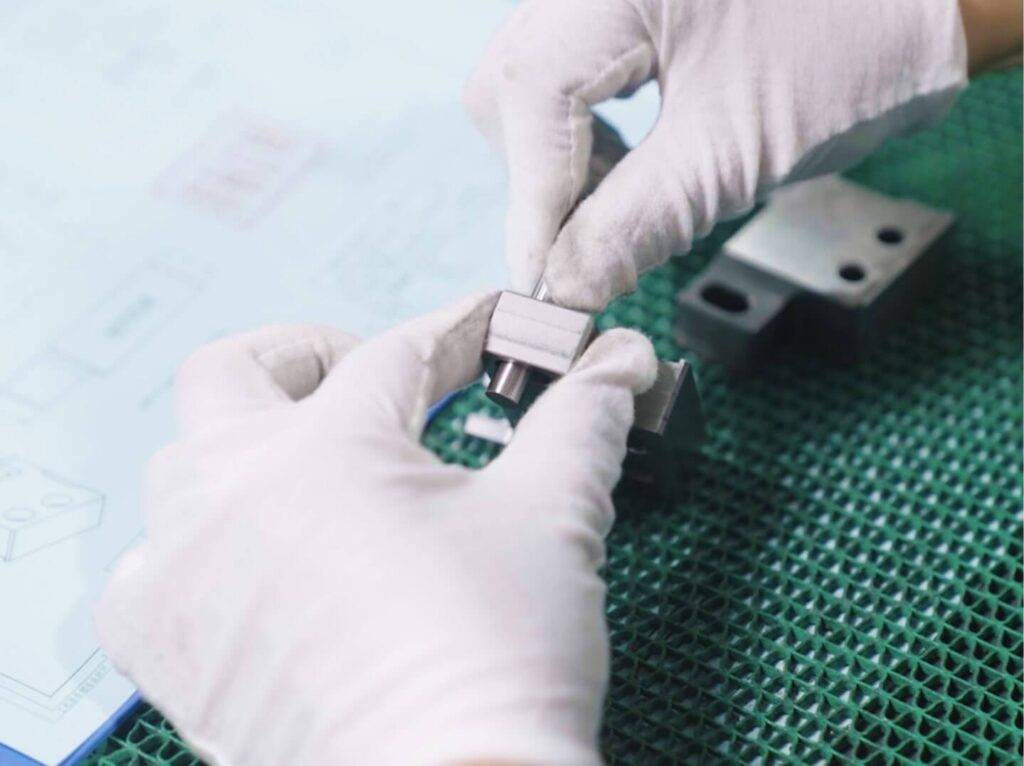
Supplier selection has a direct impact on part quality, delivery reliability, and total project cost. The cheapest quote is rarely the most economical choice once inspection failures and delays are factored in.
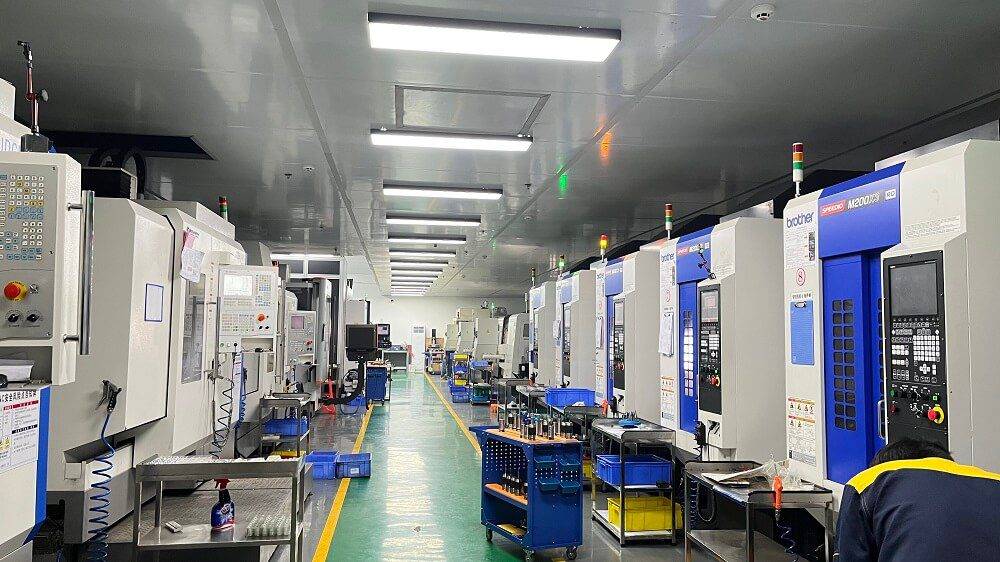
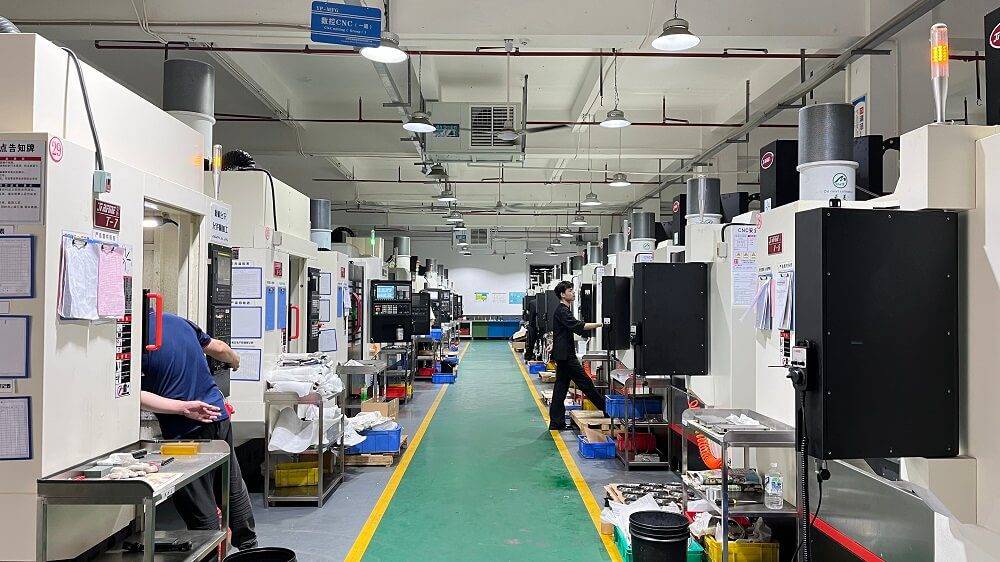
Start by confirming the supplier’s equipment capability. A shop with modern 3-axis and 5-axis CNC mills can handle more complex geometries and hold tighter tolerances than a shop running outdated machines. Ask about the maximum part size, spindle speed, and whether they perform in-house or outsourced finishing.
Quality inspection is the next critical area. A reliable supplier should have a documented inspection process that includes first article inspection, in-process checks, and final dimensional verification. Ask whether they provide material certificates and inspection reports with each shipment. If your industry requires traceability, confirm that the supplier can maintain batch records.
Communication is often the difference between a smooth project and a frustrating one. A supplier that asks detailed questions about your application, tolerance requirements, and inspection needs is more likely to deliver what you actually need. A supplier that quotes instantly without asking anything may be applying a generic pricing model that does not reflect your part’s complexity.
YPMFG supports buyers who need technical guidance during the quoting stage. Sending your drawing for an engineering review can reveal potential machining issues before they become costly problems.
Cost Factors That Affect Stainless Steel Milling
The price of a stainless steel CNC milling part depends on several variables, and understanding them helps you negotiate more effectively.
Material cost is the first factor. Stainless steel prices fluctuate with raw material markets, and 316 costs more than 304 or 303. The quantity you order also influences material pricing, as larger runs allow the supplier to purchase stock in bulk.
Machining time is usually the largest cost component. Harder grades like 316 require slower cutting speeds and more frequent tool changes, which increases labor and machine time. Complex geometries with deep cavities, tight internal corners, or thin walls also add machining time. Every feature that slows the cutting process raises the unit price.
Setup and programming costs are spread across the order quantity. For small batches, these fixed costs dominate the unit price. As the quantity increases, the per-part cost drops significantly. This is why the same part can cost very little per unit at 500 pieces but become expensive at 10 pieces.
Surface finish requirements also affect cost. A tighter roughness value requires additional finishing passes or secondary operations. Electropolishing, passivation, and specialized packaging all add to the total price. Requesting only the finish you actually need keeps the cost under control.
Common Mistakes in Stainless Steel Milling Projects
Many project delays and quality problems come from avoidable errors in specification or supplier communication.
One frequent mistake is choosing 316 for every part without evaluating whether the corrosion environment actually requires it. This increases material and machining costs without adding functional value. Conversely, using 304 in a marine environment can lead to premature corrosion and part failure.
Another common issue is specifying tolerances that are tighter than necessary. Every additional decimal place on a dimension increases inspection time and rejection risk. Unless the part must mate with another component, standard tolerances are often sufficient.
Ignoring the effects of machining on thin-walled sections is another problem. Stainless steel can distort when thin walls are machined,especially if the material is not properly supported. A good machinist will flag these risks during the engineering review, but only if you provide a complete drawing.
Finally, many buyers fail to confirm the supplier’s inspection process before placing an order. A part that looks correct visually may still be out of tolerance. Requesting a first article inspection report before full production begins is a simple step that prevents large-scale quality issues.
Questions Buyers Often Ask About Stainless Steel CNC Milling
Which stainless steel grade is best for CNC milling?
303 is the easiest to machine and is a good choice for high-volume parts with moderate corrosion requirements. 304 is the most common general-purpose grade. 316 is recommended for saltwater or chemical exposure but costs more and takes longer to machine.
What is the typical lead time for stainless steel CNC milling parts?
Lead time depends on part complexity, quantity, and the supplier’s current workload. Simple parts can ship in a few days, while complex components with tight tolerances may take several weeks. Always confirm the lead time before placing an order, and factor in time for first article inspection.
Do I need to specify passivation for stainless steel parts?
Passivation is recommended for parts used in food, medical, or pharmaceutical applications, and for any component exposed to moisture. It improves corrosion resistance without changing dimensions. If your drawing does not specify passivation, the machinist will typically ship the part as-milled.
Can CNC milling hold tight tolerances on stainless steel?
Yes, but the achievable tolerance depends on part geometry, material grade, and machine capability. Tolerances of ±0.05 mm are common, and tighter values are possible on smaller features. Very tight tolerances increase cost and should only be specified where functionally necessary.
How should I send my drawing to a CNC milling supplier?
Send a step file or IGES file for geometry, along with a PDF drawing that includes material grade, tolerances, surface finish, and thread specifications. A complete package allows the supplier to quote accurately and identify potential machining issues before production begins.
What is the minimum order quantity for stainless steel CNC milling parts?
Many CNC milling suppliers accept low-volume orders, including single prototypes. Minimum order quantities depend on the shop’s setup policy and the part’s complexity. For production runs, higher quantities reduce the per-unit cost because setup and programming are spread across more parts.
Choosing the Right Stainless Steel Milling Partner
The success of a stainless steel CNC milling project depends on clear specifications, realistic expectations, and a supplier who understands the material. The right partner will ask about your application, point out potential machining risks, and provide documentation that supports your quality requirements.
YPMFG works with buyers who need dependable stainless steel CNC milling parts across a range of industries. You can send your drawings and specifications for an engineering review, request a quote, or ask for guidance on material selection and surface finish. The goal is to get you a part that performs correctly, arrives on time, and does not create surprises downstream.