Quick answer:
Selecting the right cnc aerospace machining partner requires verifying specific AS9100 certifications and material traceability protocols. You must ensure the manufacturer can handle tight tolerances for high-performance alloys like titanium and Inconel. This process minimizes supply chain risks and ensures part integrity under extreme operational conditions.
Aerospace components demand uncompromising precision and documentation. A single defect can lead to catastrophic failures or costly program delays. Procurement teams often struggle to balance cost efficiency with rigorous quality standards. Understanding these core requirements is the first step in securing a reliable supply base.
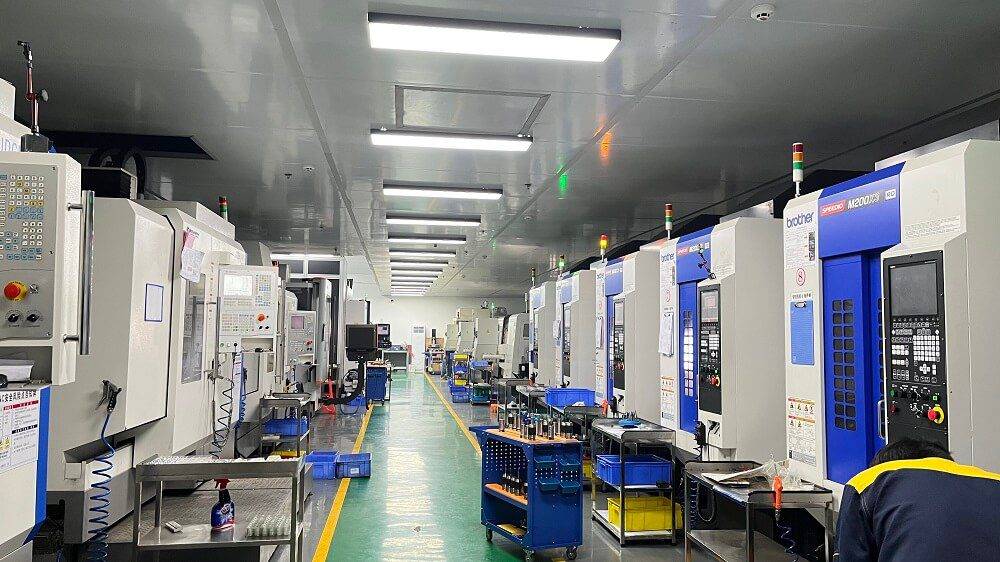
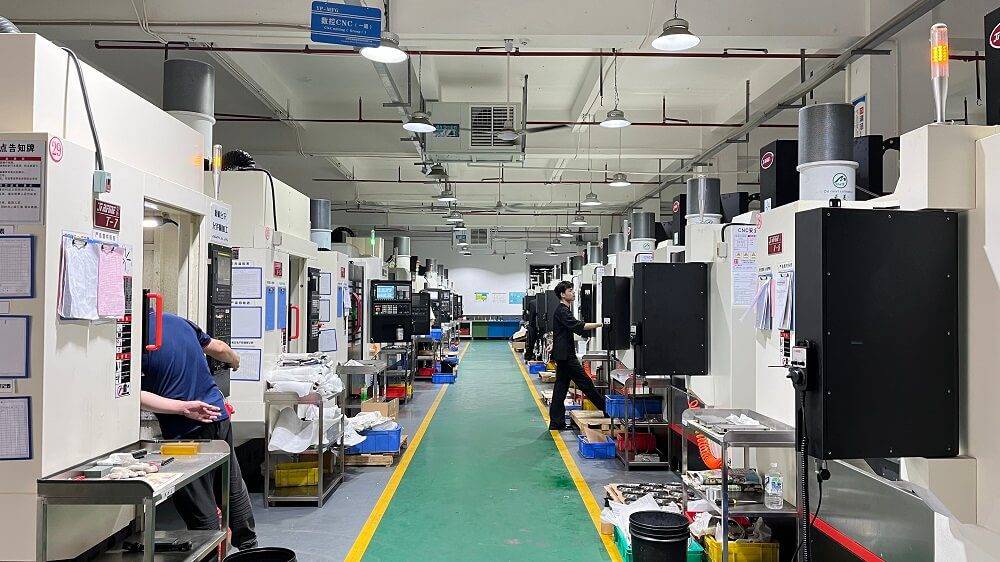
YPMFG specializes in complex CNC parts manufacturing services tailored for the aviation sector. We understand that your project needs more than just cutting metal; it requires engineering support and strict compliance. Our team provides detailed documentation and quality assurance at every stage of production.
Core Requirements for Aerospace Components
Aerospace parts operate in environments where failure is not an option. The materials used, such as aluminum 7075 or stainless steel 316L,present unique machining challenges. These alloys are often hard to cut and prone to thermal distortion during processing.
Manufacturers must utilize specialized tooling and cooling strategies to maintain dimensional stability. Surface finish requirements also vary significantly between structural components and cosmetic parts. A rough surface can initiate fatigue cracks in pressurized cabins or engine housings.
You should verify that your supplier has experience with aerospace grade materials. Ask for examples of previous work involving similar metallurgical properties. Experience with these specific materials reduces the risk of scrap and rework.
Certification and Quality Standards
Regulatory compliance is non-negotiable in this industry. Most major airlines and defense contractors require AS9100 certification for their suppliers. This standard goes beyond basic ISO 9001 by adding specific aerospace requirements.
It mandates rigorous control over design changes, risk management, and configuration management. Traceability of raw materials is also strictly enforced. Every batch of metal must have a documented history from mill to finished part.
When evaluating potential partners, check their quality management system documentation. YPMFG maintains comprehensive records for all custom aerospace components. This transparency allows for easy audits and faster approval processes.
Tolerances and Geometric Precision
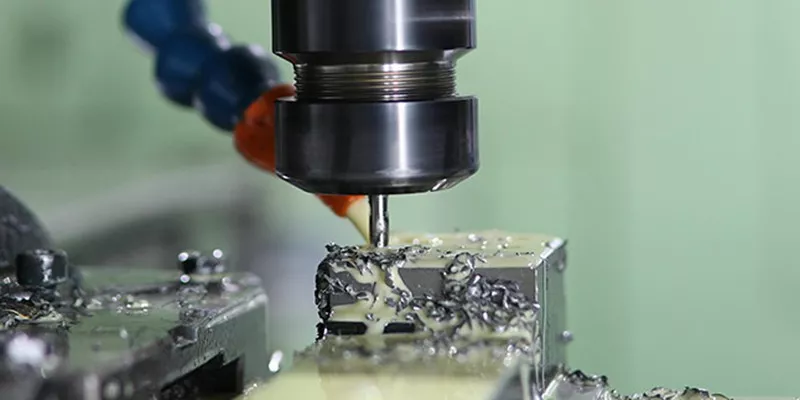
Aerospace designs often feature complex geometries and extremely tight tolerances. Parts may require tolerances within ±0.005mm or even tighter for critical interfaces. Achieving this level of precision requires advanced multi-axis CNC equipment.
Standard three-axis machines may not suffice for intricate internal passages or angled features. Five-axis machining allows for complete part setup in one clamping, improving accuracy. It also reduces cycle times by eliminating multiple handlings.
Discuss your specific tolerance requirements early in the project. Provide clear GD&T (Geometric Dimensioning and Tolerancing) drawings. YPMFG offers engineering assessment services to review your designs for manufacturability before production begins.
Material Selection and Performance
Choosing the right material affects weight, strength, and cost. Titanium offers high strength-to-weight ratios but is difficult to machine. Aluminum is lighter and easier to process but may lack strength at high temperatures.
Inconel and other superalloys resist heat but wear down tools quickly. Your design engineer must select materials based on the specific application environment. Factors include operating temperature, pressure, and exposure to corrosive agents.
We can provide material selection advice to help you optimize performance. Our engineers understand the trade-offs between different aerospace-grade alloys. This guidance helps you avoid over-specifying materials and wasting budget.
Documentation and Traceability
In aerospace, if it is not documented, it did not happen. Every component must come with a full set of quality records. This includes material certificates, inspection reports, and first article inspection data.
The First Article Inspection (FAI) process verifies that the manufacturing process meets design requirements. AS9102 forms are commonly used to report dimensional measurements and process validations. Missing or incomplete documentation can halt assembly lines.
Request a sample documentation package from potential suppliers. Ensure they can provide digital files for easy integration into your PLM systems. YPMFG delivers complete technical documentation with every shipment.
Common Challenges in Production
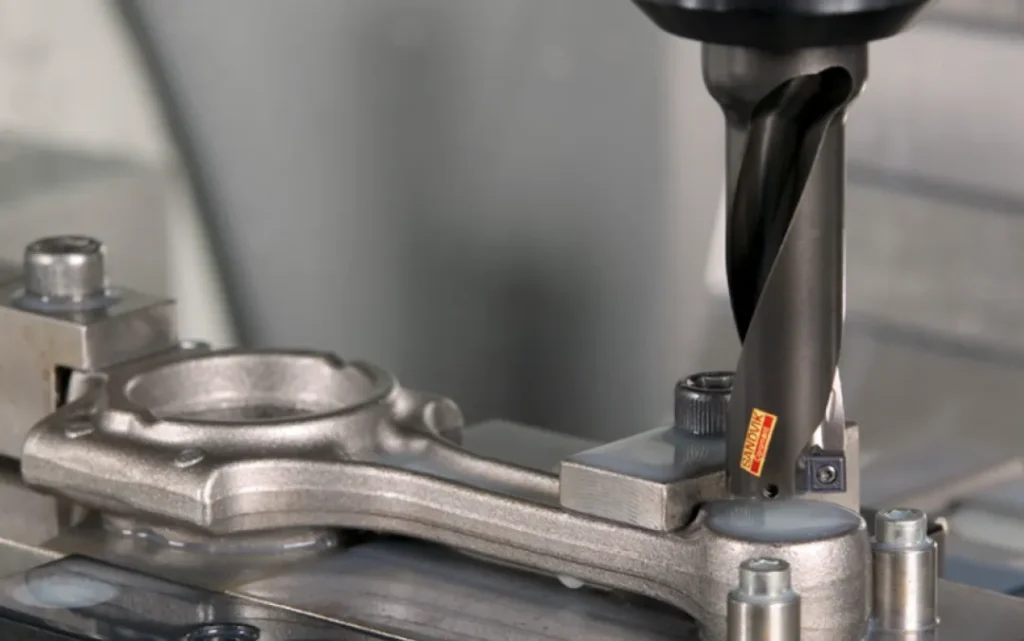
Machining thin-walled structures can cause vibration and deflection. This leads to poor surface finishes and out-of-tolerance dimensions. Proper fixturing and machining strategies are essential to mitigate these issues.
Residual stresses in castings or forgings can distort parts after final machining. Stress-relief heat treatments may be required between operations. Skipping these steps can result in parts failing later in service.
Experienced manufacturers anticipate these problems and adjust workflows accordingly. They use simulation software to predict machining behavior. This proactive approach saves time and reduces material waste significantly.
How to Evaluate Suppliers
Start by reviewing their technical capabilities and equipment inventory. Do they have the latest CNC machines with necessary accessories? Check for certifications relevant to your specific market segment.
Request quotes for a test part or prototype. This reveals how they communicate, price, and deliver. Pay attention to their responsiveness and willingness to answer technical questions.
Compare their value proposition beyond just unit price. Consider factors like lead time, quality consistency, and after-sales support. YPMFG focuses on long-term partnerships rather than one-off transactions.
Practical Questions Before Choosing
What is the typical lead time for prototypes?
Lead times vary based on complexity and material availability. Standard prototypes might take two to four weeks. Rush services are often available at a premium cost. Always confirm schedules before placing orders.
Do you offer design for manufacturability reviews?
Yes, many suppliers provide initial feedback on your CAD models. This helps identify features that are difficult or expensive to machine. Early collaboration can reduce costs and improve part quality significantly.
How do you handle quality inspections?
Inspectors use CMMs and optical comparators for precise measurements. Statistical process control monitors consistency during production. Third-party inspections can be arranged if required by your contract.
Can you manage supply chain logistics?
Many manufacturers offer packaging and shipping services tailored for aerospace parts. Protective packaging prevents damage during transit. Coordination with freight forwarders ensures timely delivery to global locations.
What warranty terms apply to machined parts?
Warranties typically cover defects in material and workmanship. Specific terms depend on the contract and project scope. Clear definitions prevent disputes regarding part performance and longevity.
Making a Better Long-Term Decision
Choosing the right CNC machining partner impacts your entire product lifecycle. It influences quality, cost, and time-to-market. Prioritize suppliers who demonstrate technical expertise and transparency.
Build relationships with manufacturers who understand your unique challenges. They become an extension of your engineering team. This collaboration fosters innovation and continuous improvement.
You can send your specifications to YPMFG for a detailed review. Our team will analyze your requirements and propose optimal solutions. Contact us today to discuss your next aerospace project.