Quick answer:
CNC milling mechanical parts are precision components manufactured by removing material from a solid block using computer-controlled rotating cutters. This process is ideal for creating complex geometries with tight tolerances, typically within ±0.01mm. YPMFG specializes in delivering these parts for industrial applications where accuracy and surface finish are critical. Procurement teams should prioritize suppliers who offer comprehensive engineering support to ensure design feasibility.
The demand for precision machined components continues to rise across automotive, aerospace, and medical industries. Buyers often struggle with balancing cost, lead time, and quality requirements. A reliable manufacturing partner must understand material properties, toolpath strategies, and post-processing needs. Without proper technical guidance, projects frequently face delays due to design flaws or material incompatibility.
YPMFG addresses these challenges by integrating engineering assessment into every order. We help clients optimize designs for manufacturability before production begins. This proactive approach reduces waste and ensures consistent quality across batches. Our focus is on providing transparent communication and reliable delivery schedules.
Material Selection and Properties
Choosing the right material is the first step in successful CNC machining services. The material dictates the part’s strength, weight, corrosion resistance, and machinability. Common choices include aluminum alloys like 6061 and 7075, which offer excellent strength-to-weight ratios. Stainless steels such as 304 and 316 are preferred for their durability and hygiene.
Other materials like brass, copper, and various plastics serve specific functional needs. Brass is often selected for electrical conductivity and aesthetic appeal. Engineering plastics like PEEK or Nylon provide lightweight alternatives with low friction. Each material responds differently to cutting tools and speeds.
Incorrect material selection can lead to premature failure or excessive machining difficulty. For example, hardening stainless steel requires slower feed rates and specialized carbide inserts. YPMFG engineers evaluate your application requirements to recommend the optimal material grade. This consultation helps avoid costly errors during the production phase.
Tolerance and Surface Finish Standards
Tolerance levels define the acceptable deviation from the designed dimensions. Standard CNC milling can achieve tolerances of ±0.05mm easily. However, tighter tolerances of ±0.01mm or better require careful process control. These precision levels are essential for mating parts in assemblies.
Surface finish affects both the appearance and functionality of mechanical parts. Ra values measure the roughness average of the machined surface. A typical mill finish might range from Ra 3.2 to Ra 1.6 micrometers. Smoother finishes, achieved through additional operations like grinding or polishing, may reach Ra 0.4.
Poor surface quality can cause stress concentrations or improper sealing in fluid systems. Buyers must specify the required finish clearly in their technical drawings. YPMFG provides detailed inspection reports including CMM data to verify compliance. This documentation ensures that every batch meets your exact specifications.
Design for Manufacturability (DFM) Guidelines
Designing parts that are easy to machine significantly reduces production costs. Sharp internal corners are difficult to achieve with standard end mills. Using fillets with a radius equal to or larger than the tool diameter simplifies the process. This adjustment allows the use of standard tools without custom modifications.
Deep cavities with narrow openings can trap coolant and cause chip accumulation. Such features often require specialized long-reach tools or multiple setup changes. Simplifying cavity depths and widths improves tool access and stability. YPMFG offers free DFM analysis to identify potential manufacturing challenges early.
Threaded holes also present specific constraints. Tapping rigidly in deep holes can break tools if chips are not cleared. Providing sufficient space below the thread allows for proper chip evacuation. Our engineering team reviews your CAD files to suggest minor adjustments. These small changes can lead to substantial savings in time and money.
Production Process and Quality Control
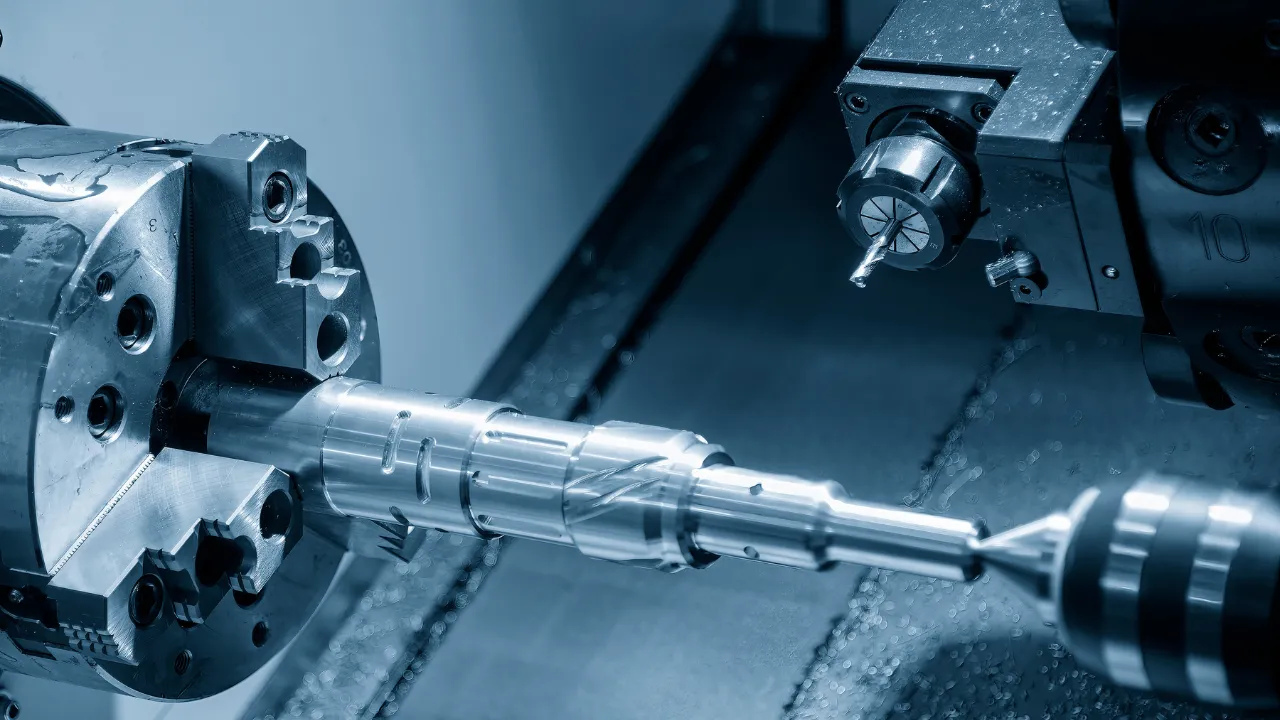
The manufacturing workflow begins with CAM programming to generate efficient toolpaths. Modern five-axis milling machines allow for simultaneous movement in multiple directions. This capability enables the creation of complex geometries in a single setup. Single-setup machining reduces handling errors and improves positional accuracy.
During production, in-process monitoring ensures consistency. Operators check critical dimensions at regular intervals using calibrated gauges. Statistical Process Control (SPC) tracks variations over time. Any deviation beyond predefined limits triggers an immediate stop for investigation.
Final inspection involves rigorous verification against original design documents. Coordinate Measuring Machines (CMM) provide precise 3D data mapping. Visual inspection checks for surface defects, burrs, or cosmetic issues. YPMFG maintains strict quality protocols to guarantee part reliability. Customers receive full traceability documentation with each shipment.
Post-Processing and Finishing Options
Many mechanical parts require additional treatments after milling. Deburring removes sharp edges created during cutting. This step is crucial for safety and proper assembly fit. Manual deburring is suitable for simple parts, while automated methods handle high volumes.
Surface treatments enhance durability and appearance. Anodizing aluminum parts increases corrosion resistance and allows color customization. Passivation of stainless steel removes free iron particles to prevent rust. Plating with zinc or nickel provides extra protection against wear.
Painting or powder coating adds aesthetic value and environmental shielding. The choice of finish depends on the operating environment. Outdoor equipment needs robust coatings to withstand weather exposure. YPMFG coordinates with trusted finishing partners to deliver complete solutions. This integrated service saves buyers from managing multiple vendors.
Cost Factors and Pricing Structure
Understanding pricing drivers helps in budgeting accurately. Part complexity is the primary cost factor. More features mean more tool changes and longer machining times. Material cost also contributes significantly,especially for precious metals. Volume discounts apply when producing larger quantities.
Lead time influences price as well. Rush orders often incur surcharges due to priority scheduling. Standard production cycles allow for optimized resource allocation. YPMFG offers competitive quotes based on detailed technical requirements. Transparent pricing includes all associated fees without hidden charges.
Shipping costs vary by destination and package weight. Consolidating orders can reduce per-unit logistics expenses. Buyers should consider the total landed cost, not just the unit price. Long-term partnerships often yield better pricing terms. Requesting a formal quote allows for precise cost comparison.
Comparison of Machining Methods
While milling is versatile, other methods exist for different needs. Turning is better suited for rotational symmetrical parts like shafts. Injection molding is cost-effective for high-volume plastic components. Die casting works well for complex metal parts in large quantities.
Selecting the right process depends on volume and geometry. Low to medium volumes favor CNC machining for its flexibility. High volumes may justify the initial tooling investment in molding. Hybrid approaches sometimes combine processes for optimal results. YPMFG advises on the most efficient method for your project scale.
This table highlights key differences to aid decision-making. CNC milling remains the go-to for prototyping and custom parts. It offers rapid iteration without expensive mold creation. As volumes grow, switching to mass production methods may become viable.
Common Challenges and Solutions
Buyers often encounter issues with dimensional instability or surface defects. Thermal expansion during machining can alter part dimensions. Using coolants and controlling ambient temperature mitigates this risk. Proper clamping techniques prevent part movement under cutting forces.
Chatter marks indicate vibration between the tool and workpiece. Reducing overhang length of the cutting tool improves rigidity. Adjusting spindle speed and feed rate can eliminate resonance. YPMFG technicians monitor these parameters dynamically during production.
Material inconsistencies, such as voids or impurities, affect machinability. Sourcing certified raw materials from reputable suppliers is essential. Pre-production trials help identify material-specific behaviors. Our quality assurance team verifies material certificates before starting work.
Selecting a Reliable Manufacturing Partner
Finding a trustworthy supplier requires evaluating several criteria. Technical expertise is paramount for solving complex engineering problems. Look for partners who offer proactive DFM feedback rather than just quoting. Communication clarity ensures expectations are aligned throughout the project.
Quality certifications indicate adherence to international standards. ISO 9001 demonstrates a systematic approach to quality management. Industry-specific certs may be required for aerospace or medical devices. YPMFG prioritizes continuous improvement and customer satisfaction.
Flexibility and responsiveness are vital for dynamic business environments. Suppliers should accommodate design changes and urgent requests. Transparent pricing builds long-term trust and partnership. Contact YPMFG to discuss your specific mechanical parts needs.
Practical Questions Before Choosing CNC Parts
What is the minimum order quantity?
There is no minimum order quantity for prototype runs. We accommodate single-piece requests for testing and validation. Bulk orders benefit from economies of scale in setup and material usage.
How long does production take?
Standard lead times range from 5 to 15 business days. Complex parts or additional finishing steps may extend this period. Expedited services are available for urgent project requirements.
Can you handle tight tolerances?
Yes, we routinely achieve tolerances of ±0.01mm or tighter. Precision capabilities depend on part geometry and material hardness. Early consultation helps determine feasibility for critical dimensions.
Do you provide inspection reports?
Every shipment includes detailed inspection documentation. Reports feature CMM data, surface roughness measurements, and visual checks. This transparency ensures full traceability and quality assurance for your records.
Making a Better Long-Term Decision
Investing in high-quality CNC milled components pays off through reduced downtime and higher performance. Choosing a partner like YPMFG ensures technical support and consistent quality. Our commitment to precision and transparency simplifies your procurement process.
We encourage you to share your technical specifications for a detailed review. Our engineering team will assess feasibility and provide optimal recommendations. This collaborative approach minimizes risks and enhances project success.
Request a quote today to experience our dedicated service. Send your CAD files or drawings for an immediate evaluation. Let YPMFG help you achieve superior results for your mechanical applications.