Quick answer:
High-pressure aluminum die casting auto parts offer superior strength-to-weight ratios and complex geometries ideal for modern vehicle structures. They are typically preferred over sand casting for high-volume production runs requiring tight dimensional tolerances. The choice depends heavily on part complexity, required mechanical properties, and annual volume targets.
Buyers must evaluate surface finish quality, porosity levels, and post-processing needs before finalizing suppliers. Incorrect selection can lead to increased scrap rates and assembly issues downstream. This guide outlines the critical factors for making an informed procurement decision.
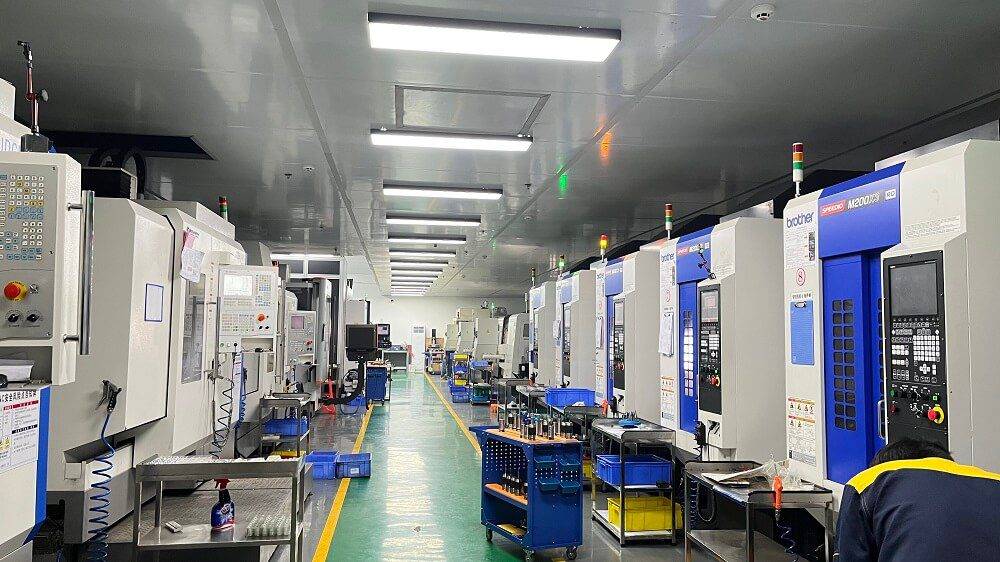
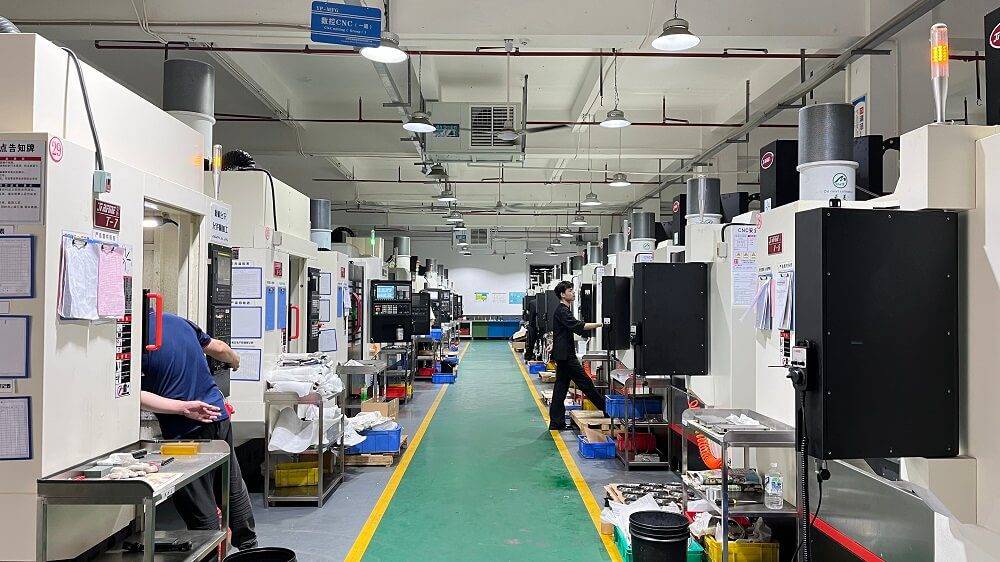
YPMFG specializes in precision CNC machining services that complement die-casting processes. We help manufacturers achieve final tolerances that raw castings cannot meet alone. Our engineering team supports clients in optimizing designs for manufacturability.
Material Properties and Alloy Selection
The performance of aluminum die casting auto parts relies heavily on the specific alloy used. A380 is the most common alloy due to its excellent fluidity and general mechanical properties. It offers a good balance between strength and cost for structural components.
For applications requiring higher heat resistance, such as engine blocks, ADC12 or A360 alloys are often selected. These alloys maintain structural integrity under extreme thermal stress. Corrosion-resistant alloys like A366 may be necessary for exterior body panels.
Selecting the wrong alloy can compromise safety and durability. Engineers should verify chemical composition requirements against industry standards. Consultation with material specialists ensures the right balance for your specific application.
Design for Manufacturability (DFM) Guidelines
Complex geometries are a primary advantage of aluminum die casting. However, design choices directly impact tooling costs and cycle times. Uniform wall thicknesses prevent sink marks and reduce internal voids.
Draft angles are essential for part ejection from the die. Typical draft angles range from 1 to 3 degrees depending on surface texture. Undercuts require complex sliding cores, which increase mold complexity significantly.
Poor DFM practices lead to higher defect rates and longer production cycles. Early engagement with manufacturers allows for design optimization before tooling begins. This collaborative approach reduces overall project risk and cost.
Precision Machining and Secondary Operations
Raw castings often require additional processing to meet strict automotive specifications. CNC machining services are frequently needed for critical mating surfaces and threaded holes. This step ensures precise dimensional accuracy and surface finish.
Common secondary operations include drilling,tapping, milling, and grinding. These processes remove excess material and refine the part geometry. Heat treatment may also be applied to enhance mechanical properties in some cases.
Skipping necessary machining steps can result in assembly failures. Quality control checks must verify dimensions after all operations are complete. Integrated manufacturing solutions streamline this workflow effectively.
Cost Factors and Volume Economics
Unit prices for aluminum die casting auto parts decrease significantly with higher volumes. Initial tooling costs are high but amortized over the production run. Low-volume projects may find investment casting or 3D printing more economical.
Material waste is minimal in die casting compared to subtractive manufacturing alone. However, gating systems and runners generate some scrap material. Recycling this aluminum reduces overall material costs substantially.
Budgeting should account for both tooling investment and per-part pricing. Long-term contracts often stabilize pricing against raw material fluctuations. Accurate forecasting helps in managing procurement budgets effectively.
Quality Standards and Defect Prevention
Automotive suppliers must adhere to stringent quality standards such as IATF 16949. Common defects include porosity, cold shuts, and shrinkage cavities. Non-destructive testing methods like X-ray inspection detect internal flaws.
Surface defects can affect aesthetics and functional performance. Visual inspections and coordinate measuring machine (CMM) checks are standard practices. Supplier audits ensure consistent quality across production batches.
Reliable suppliers implement rigorous process controls to minimize defects. Statistical process monitoring helps identify trends before they become issues. Partnering with experienced manufacturers enhances overall product reliability.
Applications in Modern Automotive Industry
Aluminum die casting auto parts are widely used in chassis systems and powertrains. Suspension components benefit from the lightweight nature of aluminum alloys. Engine mounts and transmission housings require high strength and vibration damping.
Exterior trim and interior structural brackets also utilize these casting techniques. The trend toward electric vehicles increases demand for battery enclosures. These enclosures require both structural integrity and thermal management capabilities.
Understanding specific application requirements guides material and process selection. Each component serves a unique function within the vehicle architecture. Tailored solutions address these diverse engineering challenges efficiently.
Common Questions About Aluminum Die Casting
What is the typical lead time for tooling?
Tooling creation usually takes four to eight weeks depending on complexity. Simple molds may be ready faster, while intricate designs require more time.
Can aluminum castings withstand high temperatures?
Standard alloys handle moderate heat well, but specialized alloys are needed for engines. Always verify temperature ratings with your engineering partner.
How do I check for internal porosity?
X-ray inspection or helium leak testing are effective methods for detection. These tests ensure the structural integrity of critical components.
What surface finishes are available?
Parts can be delivered as-cast, bead-blasted, or powder-coated. Post-machining allows for smooth, precise surfaces where needed.
Does YPMFG support sample production?
Yes, we offer prototype and sample services for validation. This allows you to test fit and function before full production.
Choosing the Right Partner for Your Project
Successful procurement of aluminum die casting auto parts requires careful planning. Evaluate suppliers based on technical capability, quality systems, and responsiveness. Early collaboration leads to better design outcomes and lower costs.
Consider partners who offer integrated services from design to final assembly support. This approach simplifies supply chain management and reduces communication errors. Reliable partners provide transparency throughout the manufacturing process.
YPMFG provides comprehensive support for complex manufacturing needs. We assist with engineering assessments and custom solution development. Contact us to discuss your specific project requirements today.