Quick answer:
Aluminium casting is ideal for producing complex shapes in medium to high volumes where design flexibility matters more than tight tolerances. If you need extreme precision or low-volume prototypes, CNC machining remains the superior choice despite higher per-unit costs. For most production runs exceeding 500 units, casting significantly reduces material waste and overall expense.
Manufacturers often struggle when choosing between aluminium casting and subtractive methods without understanding their specific volume and tolerance requirements. A mismatch here leads to inflated tooling costs or compromised part quality. This decision directly impacts your project timeline, unit economics, and final product reliability. The right selection depends on balancing geometric complexity against dimensional accuracy needs.
Understanding Aluminium Casting Fundamentals
aluminium casting involves pouring molten metal into a pre-made mold to create near-net-shape parts. This process minimizes material removal, unlike machining which cuts away excess stock. Consequently, casting is highly efficient for consuming bulk aluminium alloys.
Two primary types dominate industrial applications: die casting and sand casting. Each serves distinct production scales and technical requirements. Understanding these differences prevents costly manufacturing errors during the prototype phase.
Selecting the wrong method can result in excessive cycle times or poor surface quality. You must evaluate your annual usage requirements before committing to a process.
Key Factors in Part Design
Design for Manufacturing (DFM) plays a critical role in successful metal component manufacturing. Cast parts require specific draft angles to allow easy ejection from the mold. Walls must maintain uniform thickness to prevent voids and shrinkage defects.
Sharp internal corners act as stress concentrators and hinder metal flow. Rounding these areas improves both structural integrity and mold longevity. Incorporating fillets ensures smooth metal movement during the solidification phase.
Engineers should avoid sudden changes in section size. Thick sections cool slower than thin ones, creating internal stresses. Designing gradual transitions helps maintain consistent mechanical properties throughout the part.
Material Selection and Properties
Not all aluminium alloys perform equally under different load conditions. Common choices include A380 for general engineering and A356 for aerospace applications. Each alloy offers unique trade-offs between strength, ductility, and corrosion resistance.
A380 aluminium alloy provides excellent fluidity and hardness, making it suitable for consumer electronics housings. However, it has lower impact strength compared to other options. This limitation restricts its use in highly stressed structural components.
A356 aluminium is heat-treatable, allowing for significant strength improvements. It is commonly used in automotive brakes and structural frames. Buyers must specify heat treatment requirements clearly to ensure performance standards are met.
YPMFG supports projects requiring specific alloy selections based on operational demands. Our engineering team reviews your specs to recommend the optimal material. This consultation helps avoid over-specifying expensive alloys when standard ones suffice.
Cost Drivers and Pricing Models
Initial tooling costs for die casting molds can range widely depending on cavity count. Single-cavity molds require less investment but increase per-unit prices. Multi-cavity molds spread cost across more parts, reducing individual unit expenses.
Material waste is minimal in casting because the process uses net-shape forming. Machined parts generate chips and swarf, which represent lost raw material value. This efficiency advantage becomes pronounced in large-scale production scenarios.
Secondary operations such as deburring and surface finishing add to the final price. Complex geometries may require additional machining, blurring the line between casting and fabrication. Always request a comprehensive quote including post-processing steps.
Quality Control and Defect Prevention
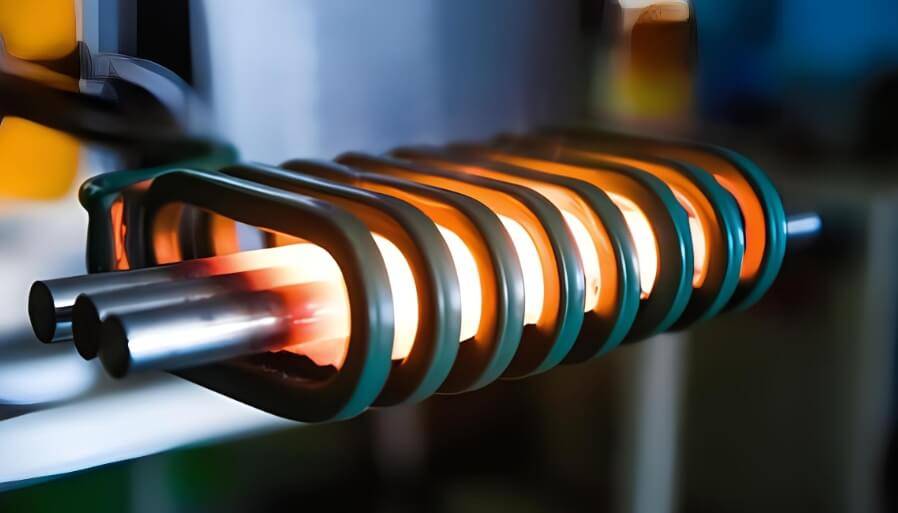
Common casting defects include porosity, cold shots, and misruns. These issues arise from improper filling speeds or trapped air in the mold. Proper venting design and controlled injection pressure mitigate these risks significantly.
Non-Destructive Testing (NDT) methods like X-ray inspection verify internal integrity. These tests detect hidden voids that could compromise part failure under load. Implementing NDT is essential for safety-critical industries like medical or automotive.
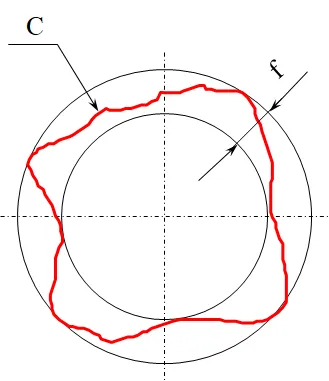
Dimensional verification ensures parts meet drawing specifications after cooling. Thermal contraction affects final measurements, requiring precise compensation in mold design. Calibrated gauges and CMM machines confirm adherence to tolerances.
When to Choose Casting Over Machining
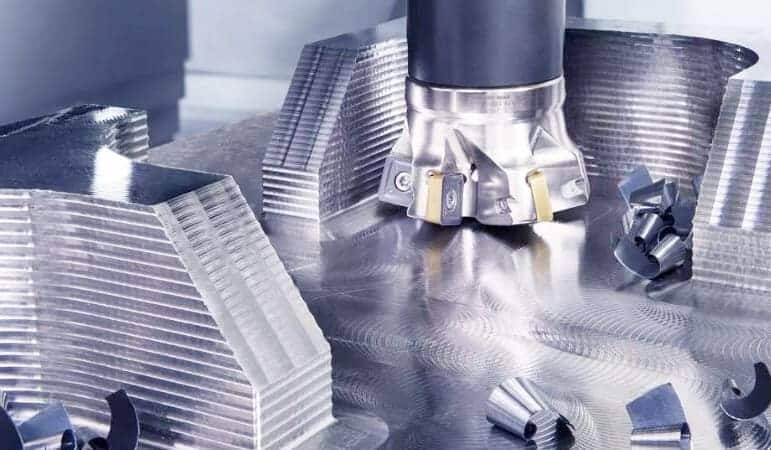
Casting wins when geometry complexity exceeds what milling machines can easily produce. Thin-walled structures with intricate ribs are difficult to hold in CNC machined parts. The casting process captures these details in a single step.
High-volume production benefits from the speed of automated die casting lines. Cycle times under 60 seconds enable rapid throughput exceeding thousands of daily units. This scalability drives down amortized fixed costs over long production runs.
If your design requires simple prismatic shapes with high flatness, machining is preferable. Cast surfaces rarely achieve mirror finishes without extensive post-processing. For aesthetic or seal-surface requirements,secondary machining bridges this gap effectively.
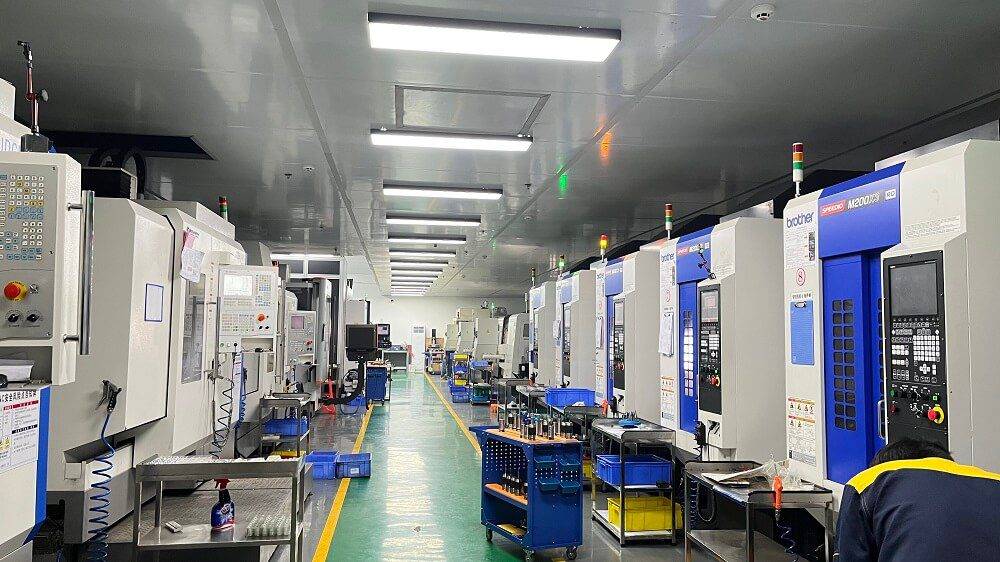
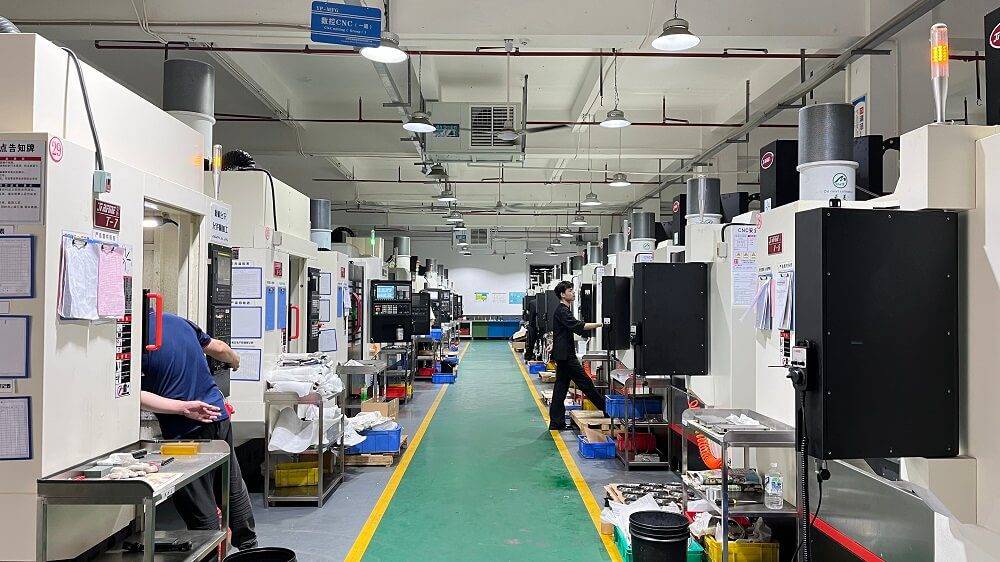
YPMFG offers combined solutions using casting for bulk and CNC for critical interfaces. This hybrid approach optimizes both cost and precision. Contact our experts to analyze your part drawings for the best strategy.
Common Questions About Aluminium Manufacturing
Is casting always cheaper than machining?
No. For low volumes under 100 pieces, machining avoids high mold costs. The break-even point typically occurs around 500-1000 units depending on complexity.
What surface finish does casting provide?
As-cast surfaces are generally rougher than machined parts. Roughness averages 3.2-6.3 Ra microns. Further smoothing requires blasting or polishing if aesthetics matter.
Can cast parts be painted or anodized?
Yes. Most casting alloys accept standard coatings well. Ensure porosity is sealed if anodizing, as pits can trap dye. Pretreatment is crucial for adhesion.
How fast is lead time for prototypes?
3D-printed sand casting patterns offer quick prototyping days. Traditional steel molds take weeks. Evaluate if rapid iteration justifies softer tooling investments initially.
Choosing the Right Manufacturing Partner
Verification of internal soundness is vital for functional components. Request certification for density and tensile strength in your quotes. Reliable suppliers provide detailed material test reports per batch.
Clear communication of tolerance zones prevents misunderstandings during production. Specify which dimensions are critical versus cosmetic. This prioritization allows manufacturers to focus QC resources effectively.
Partnering with experienced firms like YPMFG enhances project outcomes. We provide free initial assessments to identify potential flaws early. Send your 3D files today for a professional engineering review and preliminary quote.