Quick answer:
Die casting aluminum parts are metal components produced by forcing molten aluminum alloy into a steel mold under high pressure. This process delivers high dimensional accuracy, smooth surface finishes, and fast production cycles, making it a preferred choice for industries that need lightweight, strong parts at scale. However, material selection, tooling design, and wall thickness all affect final part quality and cost. Understanding these factors helps buyers avoid common mistakes that lead to rework, delays, or higher expenses.
Engineers and procurement teams often face the same challenge: balancing part performance with production cost. Die casting aluminum offers excellent strength-to-weight ratio, but the real value depends on how the part is designed, which alloy is chosen, and how the tooling is built. Without a clear understanding of these variables, it is easy to overspend on unnecessary features or end up with parts that fail in service.
How Die Casting Aluminum Parts Are Made
The process begins with melting aluminum alloy at temperatures between 660°C and 700°C. The molten metal is then injected into a hardened steel die at high pressure—typically between 1,500 and 25,000 psi.
The pressure forces the metal to fill every cavity of the mold within milliseconds. This creates parts with tight tolerances and repeatable dimensions. After the metal cools, the die opens, and ejector pins push the finished part out.
Cycle times are short. A small part can be produced in under 30 seconds. This speed makes die casting cost-effective for medium to high-volume production.
Common Aluminum Alloys for Die Casting
Not all aluminum alloys perform the same way in the die casting process. The most commonly used alloys are:
Choosing the right alloy depends on the mechanical requirements of the application, the operating environment, and the part geometry. For example, if the part will be exposed to moisture or chemicals, A360 offers better corrosion protection.
Key Design Considerations for Die Casting Aluminum Parts
Designing a part for die casting is different from designing for machining or other processes. The following factors have a direct impact on part quality and tooling cost:
Wall thickness: Uniform walls between 1.5 mm and 4 mm are ideal. Thick sections cause shrinkage and porosity.
Draft angles: A minimum of 1 to 2 degrees per side helps the part release from the die.
Radii and fillets: Sharp corners create stress points. Use radii to improve metal flow and strength.
Parting line placement: This affects flash, tool complexity, and post-processing cost.
Ejector pin marks: Pin locations should be placed on non-critical surfaces.
Ignoring these guidelines often leads to defects such as porosity, warping, or incomplete fill. Working with an experienced manufacturer early in the design phase can prevent these issues.
Benefits of Die Casting Aluminum Over Other Processes
Die casting offers several advantages compared to sand casting, permanent mold casting, or CNC machining alone:
Higher production speed: Cycle times are measured in seconds, not hours.
Better surface finish: Parts require little to no secondary finishing.
Tighter dimensional accuracy: Less variation from part to part.
Thinner walls possible: Achieve weight reduction without sacrificing strength.
Reduced scrap: Excess metal is recycled directly back into the process.
These benefits make die casting aluminum parts ideal for automotive, telecommunications, medical equipment, and industrial machinery applications where consistency and volume matter.
Common Quality Issues and How to Avoid Them
Even with a well-designed process, die casting aluminum parts can develop defects. The most common issues include:
Porosity: Gas trapped in the metal during injection. Can be minimized by controlling injection speed and venting.
Cold shuts: When molten metal does not fuse properly. Caused by low die temperature or poor gate design.
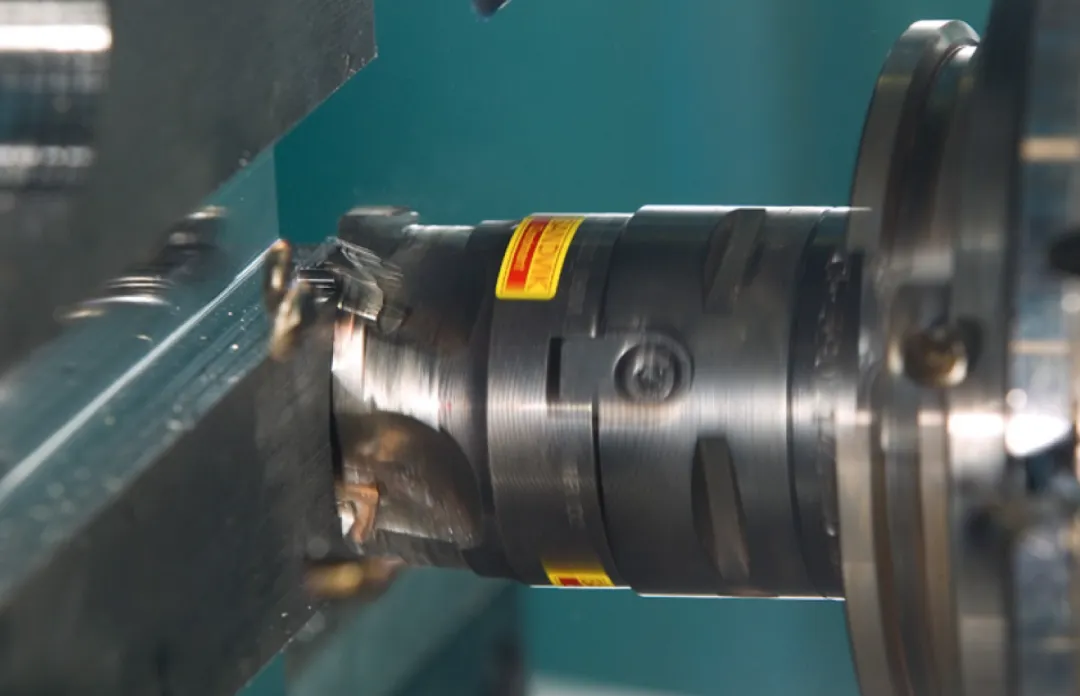
Flash: Excess metal at the parting line. Indicates worn tooling or excessive clamping force.
Sink marks: Surface depressions near thick walls. Solved by maintaining uniform wall thickness.
A reliable supplier will perform process monitoring and inspection to catch these defects before parts are shipped. YPMFG, for example, supports customers with engineering reviews and quality documentation to ensure each batch meets the required specifications.
Cost Factors in Die Casting Aluminum Parts
The final price of a die casting aluminum part depends on several elements:
Tooling cost: The die itself is the largest upfront expense. Complexity increases cost.
Material cost: Alloy type and market price affect per-part cost.
Production volume: Higher volumes reduce the per-part tooling amortization.
Secondary operations: Machining, surface treatment, or assembly add to total cost.
Tolerance requirements: Tighter tolerances may require additional finishing steps.
For low-volume runs, the tooling cost can dominate the budget. For high-volume production, the per-part cost becomes very competitive. Buyers should request a full cost breakdown that includes tooling, material, production, and any post-processing.
Practical Questions Before Choosing Die Casting
Which alloy is best for a part that needs pressure tightness?
A413 is typically the best choice. It offers excellent pressure tightness and fluidity, which helps fill complex cavities and reduce leaks.
How much does a die casting mold cost for an aluminum part?
Tooling costs vary widely, from a few thousand dollars for simple dies to over fifty thousand for complex multi-cavity molds. The cost depends on part size, geometry, and expected production volume.
Can die casting aluminum parts be welded?
Yes, but with caution. The porosity inherent in die cast parts can cause weld defects. Specialized welding techniques and filler materials are often required.
What is the typical lead time for die casting aluminum parts?
Tooling takes 4 to 8 weeks. Production runs typically add 2 to 4 weeks, depending on volume and complexity. Rush orders may be possible with existing tooling.
How does die casting compare to CNC machining for aluminum parts?
Die casting is faster and more cost-effective for high volumes. CNC machining offers better precision for low-volume or highly complex parts. Some projects combine both processes.
What surface finishes are available for die casting aluminum parts?
Common finishes include powder coating, anodizing, painting, and chromate conversion. The choice depends on corrosion resistance, appearance, and wear requirements.
Is there a minimum order quantity for die casting?
Most die casting foundries set minimums around 500 to 1,000 parts per run. Lower volumes may be possible but typically at a higher per-part cost.
How do I get a quote for a die casting aluminum part?
Send a 3D model or detailed drawing to a manufacturer like YPMFG. Include material, tolerance, and surface finish requirements. The engineering team will review the design and provide a custom solution with pricing.
Choosing the Right Die Casting Aluminum Part Supplier
Selecting a supplier is as important as choosing the right alloy or design. A good partner will provide engineering support during the design phase, help optimize the part for the process, and deliver consistent quality at scale.
YPMFG works with customers to evaluate part geometry, material options, and production requirements before tooling begins. This upfront collaboration reduces the risk of costly revisions later. Buyers can send specifications directly for review and receive a detailed quote that covers tooling, production, and any secondary operations.
For projects that require tight tolerances, complex geometries, or high production volumes, die casting aluminum parts offer a reliable and cost-effective solution. The key is to start with a clear understanding of the design requirements and work with a manufacturer who can guide the process from concept to delivery.