Quick answer:
Acrylic CNC turning is a precision machining process used to produce cylindrical acrylic parts with tight tolerances and optical clarity. It is commonly chosen for applications requiring light transmission, chemical resistance, and a polished surface finish. The process works well for prototypes and medium-volume production, but material brittleness and heat sensitivity require careful tooling and feed rate control.
Acrylic CNC turning is widely used in industries like medical devices, lighting, signage, and displays. Engineers and procurement professionals often face challenges around chipping, surface cracking, and inconsistent transparency when machining this material. Understanding the correct parameters, tool geometry, and finishing methods is essential to achieving consistent, high-quality results.
What Is Acrylic CNC Turning?
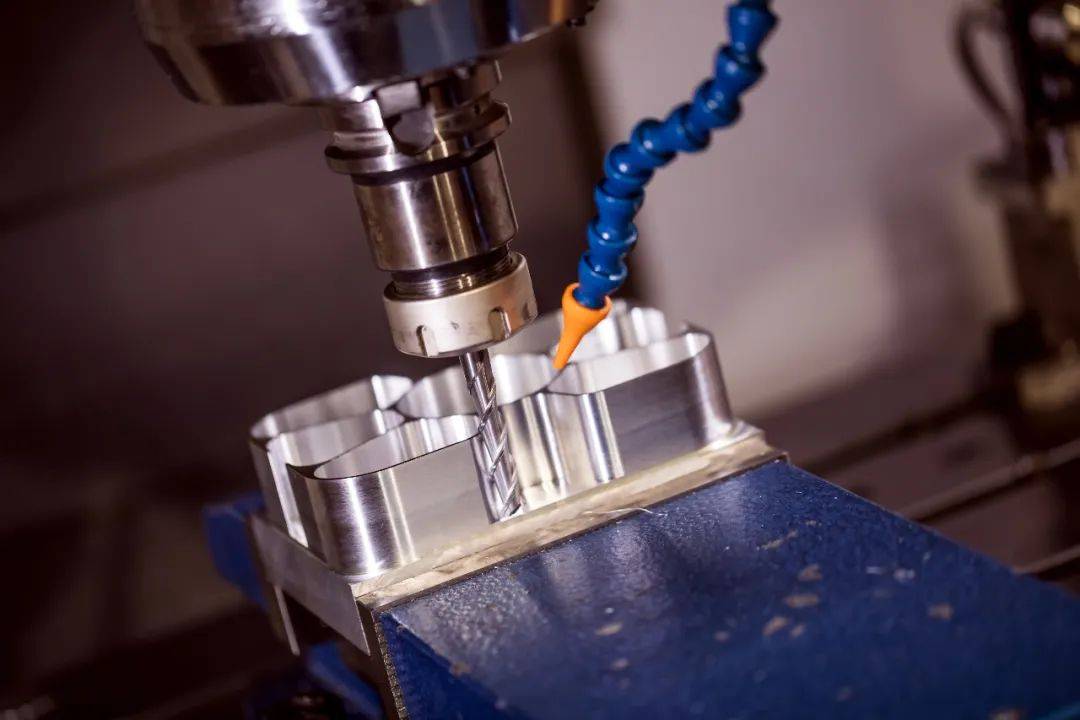
Acrylic CNC turning is a subtractive manufacturing process where a rotating acrylic workpiece is shaped by a stationary cutting tool. The process is performed on a CNC lathe, and the material is removed in controlled passes to produce cylindrical geometries.
Acrylic, also known as PMMA (polymethyl methacrylate), is a thermoplastic with excellent optical clarity. Unlike metals, acrylic requires low cutting speeds and sharp tools to avoid melting or cracking. The turning process can produce diameters from a few millimeters to several hundred millimeters, depending on the machine capacity and part design.
Why Acrylic Requires Different CNC Turning Parameters
Acrylic behaves differently from metals and even other plastics during turning. Its low thermal conductivity means heat builds up quickly at the cutting edge. If not managed, this heat can cause the material to soften, melt, or produce a cloudy surface.
Key parameters to control include:
Spindle speed: Typically 1,500–3,500 RPM depending on part diameter
Feed rate: 0.05–0.15 mm/rev to balance surface finish and chip control
Depth of cut: 0.5–2.0 mm per pass for roughing; 0.1–0.3 mm for finishing
Tool material: Carbide or polycrystalline diamond (PCD) tools with sharp edges
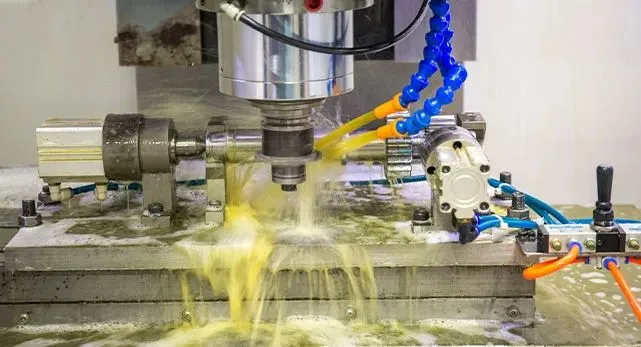
Using coolant or compressed air can help dissipate heat and improve surface clarity. Without proper parameter control, parts may exhibit stress cracking, poor dimensional accuracy, or visible tool marks.
Common Applications for Acrylic Turned Parts
Acrylic CNC turning is selected for parts that require both functional precision and visual quality. Typical applications include:
Light guides and optical lenses
Medical device handles and connectors
Display stands and transparent enclosures
Flow meter components and sight glasses
Insulating bushings in electrical assemblies
These parts often require tight tolerances in the range of ±0.05 mm to ±0.125 mm, depending on the application. Surface finish requirements frequently call for a mirror-like polish or a matte surface free of tool marks.
Key Challenges in Acrylic CNC Turning
Even with correct parameters, several challenges can affect part quality and production efficiency:
Each of these issues can be minimized by selecting the right tool geometry, controlling chip evacuation, and adjusting coolant strategy. For complex parts, custom fixturing may be required to avoid stress points.
How to Select a CNC Turning Partner for Acrylic Parts
Choosing the right machining partner directly affects part quality, lead time, and total project cost. Not all CNC shops have experience with acrylic, and material-specific knowledge matters.
When evaluating a potential supplier, consider the following:
Experience with optical-grade materials: Ask about previous acrylic projects
Tooling inventory: Confirm availability of sharp carbide or PCD tools
Finishing capabilities: Verify ability to flame polish or diamond turn
Quality documentation: Request inspection reports for dimensional and optical checks
Communication on design feedback: Ensure they review part geometry for manufacturability
YPMFG supports projects that require acrylic CNC turning with engineering review, material sourcing, and surface finishing guidance. Sending your specifications to YPMFG allows their team to evaluate tolerances, recommend feeds and speeds, and provide a cost estimate before production begins.
Surface Finish Options for Acrylic Turned Parts
Surface finish is often the most critical visual requirement for acrylic parts. Three common finishing methods are used after turning:
As-machined surface: Acceptable for non-optical areas; may show tool marks
Diamond turning: Produces a smooth, transparent surface without polishing
Flame polishing: Removes fine scratches and restores clarity; requires skill to avoid distortion
For parts requiring optical clarity, diamond turning or flame polishing is typically specified. The choice depends on part geometry, tolerance requirements, and budget constraints.
Material Grades Commonly Used in Acrylic CNC Turning
Not all acrylic is the same. Different grades affect machining behavior and final part properties:
Cast acrylic: Better for machining; produces less stress and clearer surfaces
Extruded acrylic: Lower cost but more prone to stress cracking during turning
Impact-modified acrylic: Tougher but may reduce optical clarity
For precision parts, cast acrylic is generally preferred. It offers better dimensional stability and a wider processing window. Extruded grades may be suitable for non-critical parts where cost is the primary concern.
Tolerances and Quality Standards
Typical tolerances for acrylic turned parts fall within the following ranges:
Diameter: ±0.05 mm to ±0.1 mm
Concentricity: 0.05 mm TIR or better
Surface roughness: Ra 0.2–0.4 µm for standard; Ra 0.05–0.1 µm for optical
For demanding applications, tighter tolerances are achievable but require careful setup and inspection. It is important to clarify tolerance requirements with your machining partner early in the design phase.
Common Questions About Acrylic CNC Turning
Can acrylic be turned on a standard CNC lathe?
Yes, but the machine must support variable spindle speed and coolant delivery. Standard CNC lathes are suitable as long as the control system allows fine feed rate adjustments.
Does acrylic crack during CNC turning?
It can, especially if the tool is dull, the feed rate is too high, or clamping force is excessive. Using sharp tools and proper fixture design reduces this risk significantly.
What is the best tool for turning acrylic?
Carbide tools with a positive rake angle are commonly used. For high-volume production, PCD tools offer longer tool life and better surface finish.
How do you achieve a clear surface on acrylic turned parts?
A combination of sharp tools, low feed rates, and proper coolant application produces a clear surface. Flame polishing or diamond turning can further improve transparency.
Is acrylic CNC turning expensive compared to metal turning?
It can be, due to the need for sharp tooling and slower cutting speeds. However, material costs are often lower than metals, and cycle times can be competitive for small to medium runs.
Can acrylic parts be threaded by CNC turning?
Yes,threads can be cut or single-point turned. Care must be taken to avoid chip buildup and thread chipping.
What industries use acrylic turned parts most often?
Medical devices, lighting, instrumentation, and display manufacturing are the most common users. These industries value clarity, machinability, and chemical resistance.
How do I send my design for an acrylic CNC turning quote?
You can send your 2D drawing or 3D model to a machining partner like YPMFG for review. Include material grade, tolerance requirements, and surface finish preferences.
Making a Better Long-Term Decision
Acrylic CNC turning offers a reliable path to producing transparent, precise cylindrical parts. The key to success lies in understanding material behavior, selecting the right parameters, and working with a partner who has proven experience in acrylic machining.
Rather than focusing only on unit price, evaluate your supplier’s ability to manage surface finish, tolerance, and material handling risks. These factors directly affect part performance and project timelines.
If you are planning an acrylic turned part for your next project, you can send your specifications to YPMFG for an engineering review and quotation. Their team can help you compare tooling options, confirm feasibility, and optimize the design for production.