Quick answer:
On-demand CNC machining lets you produce custom parts without long lead times, high setup costs, or minimum order quantities. It works by using digitally stored design files and automated CNC equipment to manufacture parts only when needed. This approach is ideal for prototyping, low-volume production, replacement parts, and projects where inventory carry costs must be minimized. However, understanding the trade-offs in material selection, tolerances, surface finish, and delivery timelines is essential to avoid hidden costs and quality gaps.
On-demand CNC machining has changed how engineers and procurement teams think about part production. Instead of committing to large production runs months in advance, you can now upload a CAD file, receive a quote, and get parts shipped in days. But not all on-demand services offer the same level of engineering support, material availability, or quality control. Knowing what to look for—and what to avoid—can make the difference between a successful project and a costly delay.
What Is On-Demand CNC Machining?
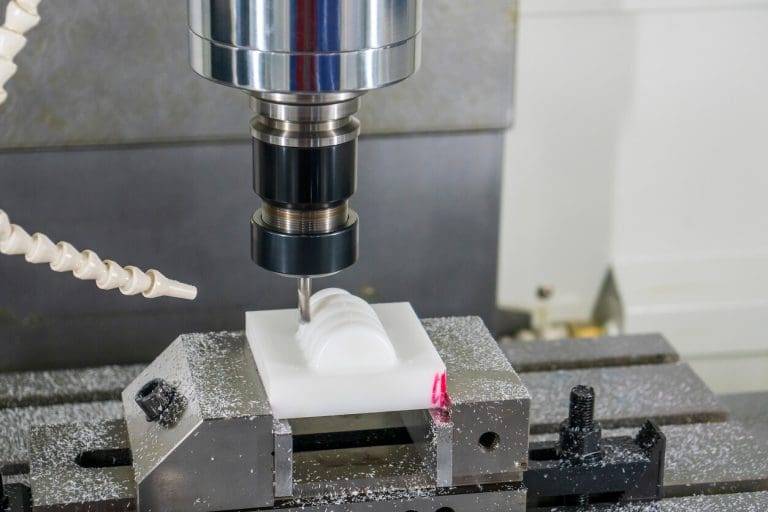
On-demand CNC machining is a production model where parts are manufactured only when an order is placed. There is no need for dedicated tooling, minimum batch sizes, or long-term contracts. The process relies on CNC turning, CNC milling, and multi-axis machining centers that can switch between jobs quickly. Each part is made from a digital blueprint, which eliminates the need for physical molds or dies.
This model is particularly useful when demand is uncertain, designs are still evolving, or inventory costs must be kept low. It also supports rapid prototyping, bridge production, and end-use part manufacturing in small to medium volumes. The key differentiator from traditional manufacturing is flexibility: you can change materials, adjust tolerances, or update geometries with minimal cost impact.
How On-Demand CNC Works
The typical workflow starts with a 3D CAD file. The file is reviewed for manufacturability, and a quote is generated based on material, complexity, quantity, and required finish. Once the order is placed, the program is loaded into the CNC machine, and production begins. Depending on the part geometry, multiple setups or operations may be required.
Many on-demand providers offer instant quoting and design-for-manufacturability (DFM) feedback. This helps engineers identify potential issues before production starts. After machining, parts go through deburring, inspection, and finishing. Some providers also offer surface treatment options such as anodizing, powder coating, or plating. Final inspection reports and certificates of conformance can be included for quality assurance.

Key Advantages for Engineers and Buyers
On-demand CNC machining removes many of the constraints found in traditional manufacturing. Engineers can iterate designs quickly without worrying about tooling costs. Procurement teams can order parts only when needed, avoiding overstock and storage issues.
Key benefits include:
No minimum order quantity – order one or a hundred parts
Fast turnaround – typically 3–10 business days
Wide material selection – metals, plastics, and specialty alloys
High precision – tolerances down to ±0.005 mm depending on geometry
Low upfront cost – no tooling or setup fees
Design flexibility – changes can be made between orders at no extra cost
These advantages make on-demand CNC a strong option for low-volume production, custom parts, and projects with evolving specifications. It also reduces financial risk because you only pay for what you need.
Common Applications and Industries
On-demand CNC machining is used across many industries where precision, speed, and flexibility are critical. Typical applications include:
Functional prototypes for design validation
Jigs and fixtures for assembly lines
Replacement parts for legacy equipment
Medical device components requiring tight tolerances
Aerospace brackets and housings
Automotive performance parts
Robotics and automation components
Custom enclosures for electronics
Each of these applications benefits from the ability to produce small batches without long lead times. In regulated industries like aerospace or medical, on-demand CNC providers with ISO 13485 or AS9100 certifications can supply parts that meet documentation requirements.
Important Selection Criteria
Choosing the right on-demand CNC partner affects both part quality and project timeline. Key criteria to evaluate include:
Engaging a provider that offers engineering review before production helps catch common issues such as thin walls, sharp internal corners, or deep cavities that cannot be machined efficiently. YPMFG supports projects that require detailed design feedback and material recommendations, especially when tolerances or surface finish are critical to function.
Cost Factors and Budget Planning
On-demand CNC pricing is driven by several variables. Understanding these can help you make cost-effective decisions without compromising quality.
Material cost – Specialty alloys and engineering plastics cost more than standard aluminum or steel
Part complexity – Multi-axis machining, tight tolerances, and complex geometries increase cycle time
Quantity – Per-unit price decreases as quantity increases, but setup time is distributed across the batch
Surface finishing – Post-processing adds labor and may require secondary setup
Lead time – Expedited orders typically carry a premium
A practical approach is to request a quote for multiple material options or finish levels. Many providers, including YPMFG, offer free engineering review and can suggest cost-saving design modifications. For example, adjusting a fillet radius or reducing a tight tolerance on a non-critical surface can lower the final price without affecting part function.
Questions Buyers Often Ask About On-Demand CNC
How quickly can I get parts made?
Most on-demand CNC providers offer lead times between 3 and 10 business days for standard parts. Complex geometries, specialty materials, or secondary finishing may add time. Always confirm current lead times before placing an order.
Is on-demand CNC suitable for production runs, not just prototypes?
Yes. Many manufacturers use on-demand CNC for low-volume production runs of 10 to 500 parts. It works well for bridge production, custom components, and replacement parts. For higher volumes, traditional processes like die casting or injection molding may be more cost-effective.
What file formats do I need to provide?
Most providers accept STEP, IGES, and native CAD formats such as SolidWorks or Fusion 360. A 2D drawing with tolerances and notes is recommended for critical features. Always check the provider’s file requirements before submitting.
How do I know if my design is manufacturable?
Look for a provider that offers design-for-manufacturability (DFM) feedback. This review identifies potential issues such as thin walls, deep cavities, or sharp corners. You can send your specifications to YPMFG for review before committing to production.
What materials are available for on-demand CNC?
Common options include aluminum 6061 and 7075, stainless steel 304 and 316, brass, copper, titanium, acetal, nylon, PEEK, and ABS. Many providers also stock specialty alloys for aerospace, medical, or automotive applications.
Can I get parts with tight tolerances?
Yes. Standard CNC tolerances are typically ±0.1 mm. High-precision parts can be machined to ±0.005 mm depending on geometry and material. Confirm tolerance capabilities with the provider before production.
Do I need to order a minimum quantity?
No. On-demand CNC machining is designed for flexibility. Most providers accept single-piece orders. This is one of the key advantages over traditional manufacturing methods that require minimum batch sizes.
What if I need to make design changes after ordering?
This depends on the provider’s policy. Some allow changes within a short window before material is cut. Once machining begins, changes require a new order. Review the provider’s revision policy upfront.
Choosing the Right On-Demand CNC Partner
The value of on-demand CNC machining goes beyond speed. It gives you control over production scheduling, design changes, and inventory levels. But the quality of your parts depends heavily on the provider you choose. Look for a partner that offers engineering support, clear communication, and consistent quality control.
YPMFG works with engineers and procurement teams to deliver parts that meet functional requirements without unnecessary cost or delay. Whether you need a single prototype or a low-volume production run, you can submit your CAD files and get a detailed quote with DFM feedback. The goal is to help you move from design to finished part with confidence.