
Quick answer:
CNC machine programming is the process of converting a part design into a set of instructions—G-code and M-code—that a CNC machine follows to cut, drill, or shape material. The most common programming methods are manual G-code writing, CAM (Computer-Aided Manufacturing) software, and conversational programming. For buyers sourcing machined parts or evaluating a machine shop, understanding the basics of CNC programming helps you assess feasibility, lead time, and cost. The right program reduces waste, tool wear, and cycle time, which directly impacts your project budget.
If you are new to CNC machining or evaluating a supplier, knowing how programs are created and verified helps you ask the right questions and avoid costly misunderstandings.
What Is CNC Machine Programming?
CNC machine programming means creating a sequence of coded instructions that control the movements and functions of a CNC machine tool. These instructions determine spindle speed, feed rate, tool path, depth of cut, coolant flow, and tool changes.
The core language used is G-code, which controls motion and positioning, and M-code, which controls auxiliary functions like starting and stopping the spindle or turning coolant on and off. Programs can be written manually, generated by CAM software, or created using conversational programming directly on the machine’s control panel.
For a buyer or engineer, the type of programming method used affects part complexity, repeatability, and overall project cost.
Why CNC Programming Matters in Part Sourcing
The quality of a CNC program directly determines part accuracy, surface finish, and production efficiency. A poorly written program may cause tool breakage, excessive cycle time, or out-of-tolerance dimensions.
When you send a part drawing to a machine shop, the programmer must interpret the design intent, select the correct cutting tools, define clamping methods, and write a program that produces the part within tolerance. A skilled programmer reduces scrap and rework, which lowers the total cost per part.
If you are comparing suppliers, ask how they handle CNC machine program verification. Shops that simulate programs before cutting are less likely to deliver defective parts.
Three Common Methods of CNC Programming
1. Manual G-Code Programming
Manual programming is the most traditional method. The programmer writes every line of G-code and M-code using a text editor or the machine’s control panel. This method works well for simple geometries and short-run production.
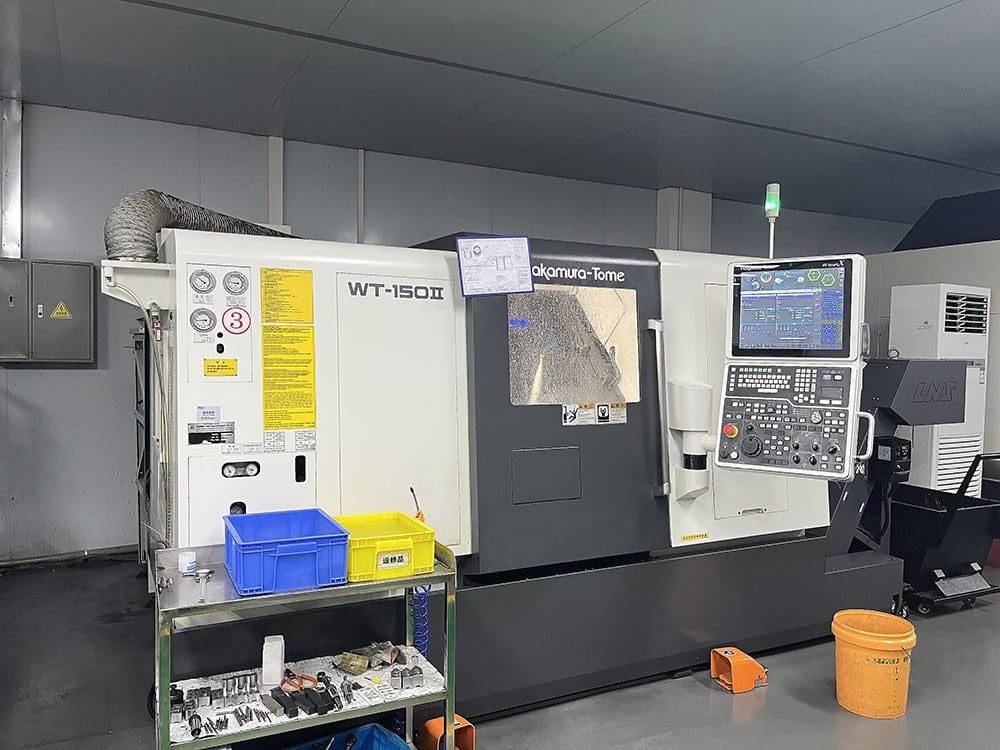
However, it is time-consuming and error-prone for complex parts. Manual programming requires deep knowledge of codes, tool offsets, and machine kinematics. It is still used for quick adjustments or small batches.
2. CAM Software Programming
CAM software converts a 3D model or 2D drawing into a fully optimized tool path. The software calculates cutting strategies, tool engagement angles, and feed rates automatically. This method is preferred for complex parts with tight tolerances and multiple operations.
CAM-generated programs reduce human error and allow simulation before machining. Most professional CNC machine shops, including YPMFG, use CAM software to ensure consistent quality across production runs. CAM also enables efficient custom CNC machining for complex geometries that would be impractical to program manually.
3. Conversational Programming
Conversational programming is built into some CNC controls. The operator inputs features like holes, pockets, or contours through a menu-driven interface, and the control generates the G-code automatically. This method is faster than manual programming for simple parts and does not require CAM software.
Conversational programming is best for repetitive, simple jobs where the operator is also the programmer. It is less suitable for 5-axis or multi-operation parts.
Key Parameters in a CNC Program
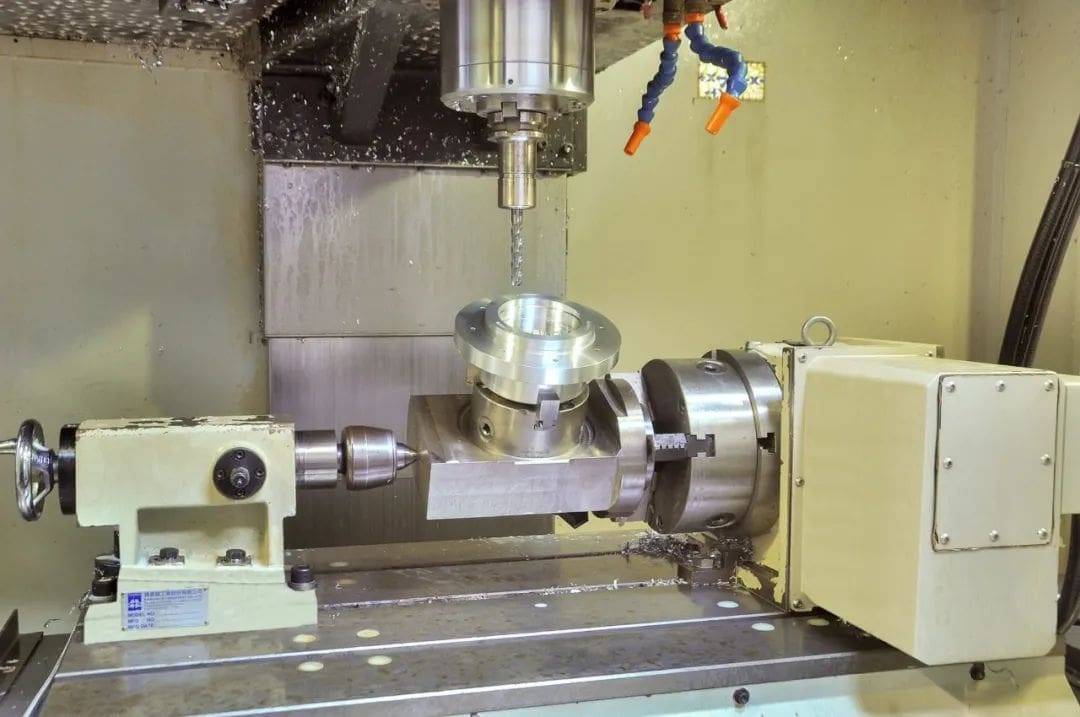
Every CNC program includes several critical parameters that affect the final part quality. Understanding these helps you evaluate whether a program is optimized:
Spindle speed (RPM): Determines cutting speed and surface finish
Feed rate (IPM or mm/min): Controls how fast the tool moves through material
Depth of cut: Influences tool load and cycle time
Tool path strategy: Determines whether the cut is roughing, finishing, or contouring
Coolant usage: Affects heat management and chip evacuation
A well-optimized program balances these parameters to maximize machining accuracy while minimizing cycle time. Suppliers that adjust these parameters per material and operation deliver better results.
Common Mistakes in CNC Programming
Even experienced programmers can make errors that affect part quality and production cost. The most frequent mistakes include:
A reliable CNC machine shop verifies every program through simulation software or a dry run before cutting expensive material. If you are sourcing parts from a new supplier, ask how they validate their programs.
Questions Buyers Often Ask About CNC Programming
Does CNC programming affect part cost?
Yes. Programming time is part of the setup cost. Complex parts require more programming hours, which is reflected in the initial quote. CAM programming can reduce overall cost by optimizing tool paths and reducing cycle time.
How long does it take to program a CNC machine?
It depends on part complexity. A simple 2D part may take 30 minutes to program manually, while a multi-axis part with tight tolerances can take several hours in CAM software.
Can I send a 3D model instead of a drawing?
Yes. Most modern shops, including YPMFG, accept STEP, IGES, or native CAD files. CAM software reads these models directly, which reduces translation errors and speeds up programming.
What is the difference between G-code and M-code?
G-code controls motion and positioning (e.g., G01 for linear cutting). M-code controls machine functions (e.g., M03 for spindle on). Both are essential in every CNC machine program.
Is conversational programming accurate enough for tight tolerances?
For simple features and tolerances within ±0.005 inches, conversational programming is acceptable. For tighter tolerances or complex geometries, CAM software is more reliable.
Do all CNC machines use the same G-code?
No. G-code dialects vary by machine control (Fanuc, Siemens, Haas, etc.). A program written for one machine may not run on another without modification. Shops often post-process CAM output for specific controls.
Can a CNC program be modified after production starts?
Yes, but modifications require reprogramming and re-verification. Changes in feed rate, tool selection, or depth of cut can improve efficiency or fix quality issues.
How do I know if a program is good?
Check the first article inspection report. If tolerances are within spec and surface finish matches the requirement, the program is likely well written. Consistent repeatability across multiple parts is another sign of a stable program.
How CNC Programming Affects Material Selection
Different materials require different cutting parameters. For example, aluminum cuts well at high spindle speeds and moderate feed rates, while stainless steel requires slower speeds and heavier feed to avoid work hardening.
A good CNC machine program adjusts speed and feed based on material hardness, thermal conductivity, and chip formation behavior. If you are specifying a material that is difficult to machine, expect longer programming and cycle times. Shops experienced with your material will have optimized programs ready.
Choosing the Right CNC Programming Approach for Your Project
Selecting the right programming method depends on part geometry, tolerance requirements, volume, and available equipment. For simple parts with low volumes, manual or conversational programming can be cost-effective. For complex, high-precision parts,CAM software is the standard.
YPMFG supports projects that require tight tolerances, multi-axis machining, and complex geometries. Their engineering team reviews your model or drawing, selects the optimal programming method, and validates the program through simulation before cutting.
If you are unsure which approach fits your part, send your specifications to YPMFG for a free engineering review. Their team can recommend the most efficient programming strategy for your application and provide a detailed quote with estimated cycle time and cost.