Quick answer:
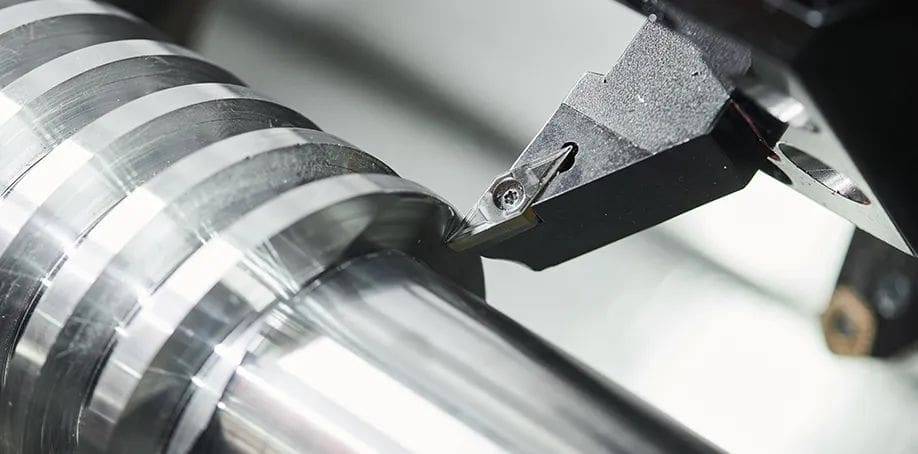
CNC stands for Computer Numerical Control. It is a manufacturing method where pre-programmed computer software controls the movement of factory tools and machinery. Instead of a person manually turning a handwheel or pulling a lever, the machine follows a precise set of digital instructions to cut, shape, or drill material. This approach allows for extremely high repeatability, tight tolerances, and complex geometries that would be difficult or impossible to achieve by hand. For buyers, the key takeaway is simple: CNC removes human error from the machining process, which directly translates into consistent part quality and faster production cycles.
If you are sourcing machined components, understanding what CNC actually means will help you evaluate supplier capabilities, compare quotes more intelligently, and avoid costly misunderstandings about part complexity and lead time.
Why CNC Matters for Your Next Manufacturing Project
Many engineers and procurement professionals assume that all machine shops are essentially the same. The reality is that the difference between manual machining and modern CNC machining can be the difference between a part that works on the first assembly and one that requires rework.
Manual machining relies entirely on the skill of the operator. While skilled machinists can produce excellent parts, every part is slightly different. CNC eliminates that variability. Once a program is verified, every part coming off the machine is identical to the last one. For production runs of even a few hundred parts, that consistency saves time, reduces scrap, and lowers the total cost per part.
How CNC Actually Works
The core principle is straightforward. A designer creates a 3D model of the part using CAD (Computer-Aided Design) software. That model is then converted into a set of coordinates and toolpath instructions through CAM (Computer-Aided Manufacturing) software. The CNC machine reads those instructions line by line and moves its cutting tools accordingly.
The machine controls three key elements simultaneously:
Position – where the tool is in X, Y, and Z space
Speed – how fast the spindle rotates
Feed rate – how quickly the tool moves through the material
Modern 5-axis machines add two additional rotational axes, allowing the tool to approach the workpiece from virtually any angle without repositioning the part. This is especially valuable for complex aerospace or medical components.
Types of CNC Machines You Should Know
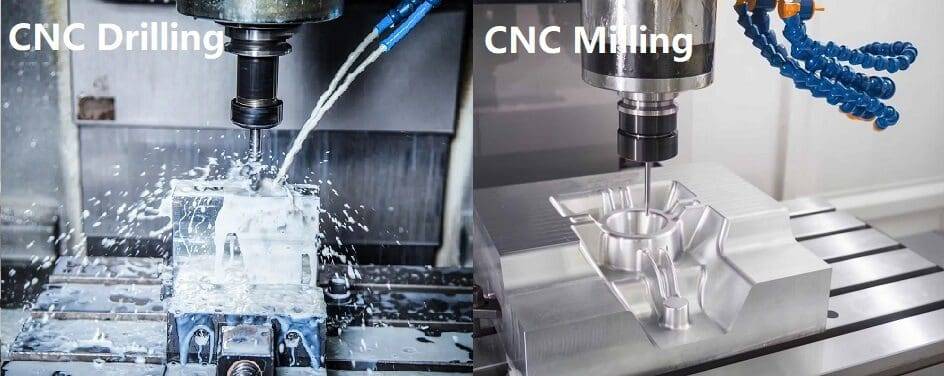
Not all CNC machines do the same job. Choosing the right machine type depends entirely on your part geometry and material.
For most precision mechanical parts, CNC milling and CNC turning are the two processes you will encounter most often.
Key Parameters That Affect Part Cost and Quality
When you send a drawing to a CNC machine shop, the price and lead time are driven by a few specific decisions you make during design.
Tolerance requirements – Tighter tolerances require slower speeds, more tool changes, and additional inspection time. A tolerance of ±0.005 inch is standard. Moving to ±0.001 inch can double or triple the machining cost.
Material hardness – Harder materials wear out tools faster and require slower cutting speeds. Stainless steel and titanium cost significantly more to machine than aluminum or brass.
Feature complexity – Deep cavities, thin walls, and sharp internal corners require specialized tooling or multiple setups. Each setup adds time and cost.
Surface finish – A standard machined finish (125 Ra) is fast and cheap. Mirror finishes or secondary polishing adds process steps.
Quantity – Setup time is fixed. A single prototype costs nearly as much to set up as a run of 100 parts. Higher quantities amortize that setup cost.
YPMFG supports projects that require precision CNC machining across a wide range of materials and tolerances. If you are unsure how your part geometry will affect cost, sending a drawing for engineering review is usually the fastest way to get a clear answer.
Common Questions About CNC Machining
Is CNC the same as 3D printing?
No. CNC is a subtractive process—material is removed from a solid block. 3D printing is additive—material is deposited layer by layer. CNC generally produces stronger parts with better surface finish and tighter tolerances.

How accurate is a CNC machine?
Standard CNC machining achieves tolerances of ±0.005 inch. Precision machining can reach ±0.0005 inch or better, depending on the machine and material. Verify your supplier’s standard capability before specifying tight tolerances.
What materials can CNC machines cut?
Almost any solid material: aluminum, steel, stainless steel, brass, copper, titanium, plastics (nylon, acetal, PTFE), wood, and composites. Each material requires different tooling and cutting parameters.
How long does a typical CNC job take?
A simple aluminum bracket might take 15 minutes per part. A complex medical implant in titanium might take several hours. Your supplier can give a realistic estimate once they review the CAD file and material selection.
Do I need a CAD file to get a quote?
Yes. A 3D CAD file (STEP or IGES format) is preferred because it allows the machinist to verify tool access and detect potential issues before cutting. A 2D drawing with tolerances is also helpful.
Can CNC machines make threaded holes?
Yes. Threads can be cut using a tap or thread mill tool. Internal threads are standard and do not require additional cost unless you specify a non-standard thread pitch.
What is the minimum order quantity for CNC?
There is no strict minimum. Many shops, including YPMFG, accept single-piece prototypes. The cost per part will be higher at low quantities due to setup time, but no minimum order is required.
How do I choose between a mill and a lathe for my part?
If the part is round and symmetrical along a center axis, a lathe is usually more efficient. If the part has flat surfaces, holes at various angles,or complex 3D geometry, a mill is the right choice. Many parts require both operations.
Questions Buyers Often Ask About CNC
What should I check before selecting a CNC shop?
Ask about their typical tolerance capability, material sourcing, inspection equipment, and whether they offer engineering feedback on your design. A shop that flags potential issues before cutting can save you significant rework costs.
Can CNC machines handle high-volume production?
Yes. Once a program is optimized, CNC machines can run unattended for long periods. Lights-out manufacturing is common in high-volume production, where machines run overnight with minimal supervision.
Does CNC require special programming skills?
Yes. Writing efficient CNC programs requires knowledge of cutting speeds, tool geometry, and material behavior. Most buyers do not need to learn programming—they simply provide a CAD file and let the supplier handle CAM programming.
What is the most common mistake in CNC part design?
Specifying unnecessarily tight tolerances. Designers often call out ±0.001 inch on features that only need ±0.005 inch. This drives up cost without any functional benefit. Review your tolerances with the application in mind.
Making a Better Long-Term Decision
Understanding what CNC is—and what it is not—helps you make smarter sourcing decisions. It is not a magic process that solves every manufacturing problem, but it is the most reliable method available for producing precision metal and plastic parts at scale.
The real value of CNC machining lies in repeatability. Once a program is proven, you can order the same part months or years later and expect identical results. That consistency is what makes supply chains predictable and assembly lines run smoothly.
If you have a part in mind and want to understand how CNC applies to your specific application, YPMFG can review your specifications, material requirements, and tolerance needs. Sending a drawing or CAD file is the quickest way to get a realistic assessment of cost, lead time, and manufacturability.