
Quick answer:
Sheet metal processing is the manufacturing method of transforming flat metal sheets into functional parts through cutting, bending, forming, and assembling. It is widely used across industries such as automotive, aerospace, electronics, and construction due to its speed, repeatability, and cost-effectiveness at medium to high volumes. However, the final part quality and overall project cost depend heavily on material selection, tooling setup, and the fabricator’s process control. Choosing a partner with both CNC machining and sheet metal capabilities can reduce lead times and simplify supply chain management.
Sheet metal processing is often seen as a straightforward production method, but many buyers discover hidden costs and quality risks only after the first batch arrives. Tolerances may not hold at corners, bend radii might not match your assembly requirement, and surface finish inconsistencies can delay product launch. For engineering teams balancing prototype speed with production reliability, understanding how sheet metal processing works and what affects its accuracy is key to making better sourcing decisions. YPMFG supports customers with both sheet metal and CNC machining capabilities, allowing you to consolidate parts without splitting orders across multiple shops.
What Is Sheet Metal Processing?
Sheet metal processing refers to a series of operations that transform flat metal stock into finished components. The process typically starts with cutting the sheet to size, followed by bending, forming, or joining.
Unlike machining, which removes material from a solid block, sheet metal processing preserves most of the original material. This makes it more material-efficient for parts with uniform wall thickness. Parts produced through sheet metal processing are commonly used for enclosures, brackets, panels, frames, and chassis.
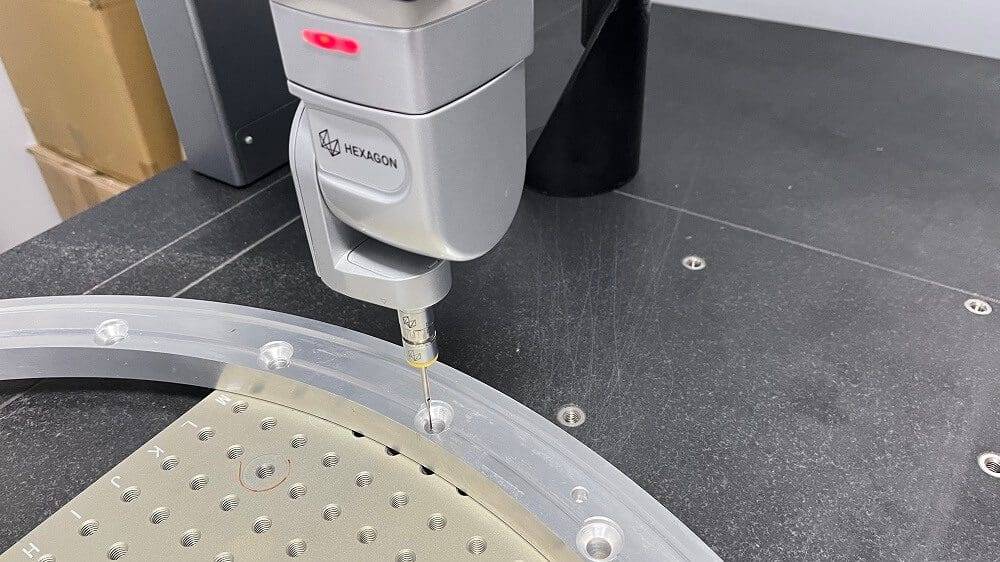
The process is suitable for low to high volume production. Tooling costs are generally lower than die casting or injection molding, but setup time and material handling still require careful planning.
Common Sheet Metal Processing Techniques
Cutting is the first step in most sheet metal jobs. Common cutting methods include laser cutting, plasma cutting, waterjet cutting, and shearing. Laser cutting offers the best accuracy for complex shapes, while shearing is faster for straight cuts.
Bending uses a press brake to deform the sheet along a straight axis. Bend angle, bend radius, and springback must all be accounted for during tool design. Material thickness and grain direction affect how the part behaves under the press.
Forming and stamping involve deeper deformation using dies. These operations are more common in high-volume runs where dedicated tooling is justified.
Joining methods include welding, riveting, and using hardware inserts. Each method affects the part’s final strength and appearance. Weld distortion and heat marks are common issues that need to be controlled.
Materials Used in Sheet Metal Processing
Material choice directly affects formability, strength, corrosion resistance, and cost. The most common materials are cold-rolled steel (CRS), hot-rolled steel (HRS), stainless steel, aluminum, and copper alloys.
Aluminum alloys like 5052 and 6061 are popular for their lightweight and good corrosion resistance. Stainless steel grades such as 304 and 316 offer higher strength and chemical resistance but require more powerful bending equipment.
Galvanized steel and pre-coated materials reduce the need for post-processing but may cause coating peeling at bend areas. Thicker materials generally require larger bend radii and heavier press capacity. When selecting a material, always verify its material specifications against the application’s load, environment, and assembly requirements.
Key Factors That Affect Sheet Metal Part Quality
Tolerance control is one of the most common challenges. Standard sheet metal tolerances are typically ±0.5 mm for linear dimensions and ±1 degree for bend angles. Tighter tolerances require more precise tooling and slower production speeds.
Bend radius must match material thickness. A sharp inside radius can cause cracking, especially in harder materials. A general rule is that the inside bend radius should be at least equal to the material thickness.
Surface finish depends on the raw material quality, cutting method, and secondary operations like deburring or powder coating. Laser-cut edges may have a rough surface that requires grinding for visible parts.
Dimensional stability is affected by springback and residual stress. Parts may not match the CAD model if material properties vary or if the press brake setup is not calibrated correctly. Using a qualified CNC machining and sheet metal supplier can help reduce these errors because the same engineering team handles both process planning and quality inspection.

Sheet Metal Processing vs CNC Machining
Both methods have their place. For projects combining thin-walled covers with precision-machined mounting points, a hybrid approach using both sheet metal processing and CNC machining can be the most practical solution.
How to Choose the Right Sheet Metal Fabricator
Start by reviewing the fabricator’s equipment list. A shop with modern laser cutters, press brakes with adequate tonnage, and quality control tools like CMM or vision systems is more likely to deliver consistent results.
Check their experience with your material and thickness range. Not all shops work comfortably with stainless steel or aluminum at tight tolerances. Ask about their quality control process for bend angle verification and surface inspection.
Look for a partner that offers engineering support. Many sheet metal issues are preventable at the design stage. If the fabricator can review your CAD model and suggest bend relief, notch placement, or material changes before cutting begins, you will save time and avoid scrap.
YPMFG provides engineering review as part of the quoting process. You can send your specifications to YPMFG for evaluation, and the team will flag potential issues before production starts.
Common Questions About Sheet Metal Processing
What is the minimum bend radius for sheet metal?
The minimum inside bend radius is typically equal to the material thickness. For harder materials like stainless steel, a radius of 1.5 to 2 times the thickness may be required to prevent cracking.
Can sheet metal parts achieve tight tolerances?
Standard tolerances are ±0.5 mm. Tighter tolerances are possible but require precise tooling, slower speeds, and additional inspection. Discuss your tolerance requirements early with the fabricator.
What is the difference between laser cutting and plasma cutting?
Laser cutting provides cleaner edges and higher accuracy for thin to medium thickness. Plasma cutting is faster for thicker plates but produces a rougher edge that may need secondary finishing.
Is welding always required for sheet metal assemblies?
Not always. Some assemblies use rivets, self-clinching fasteners, or adhesives. Welding is used when high joint strength or sealing is required, but it can cause distortion if not carefully controlled.
How does material thickness affect bending?
Thicker materials require greater bend force and larger bend radii. They also produce more springback, which must be compensated for in the tooling setup.
Can sheet metal parts be powder coated after processing?
Yes, powder coating is a common finishing method. The part must be clean and free of oil or burrs. Sharp edges may cause coating defects, so deburring is recommended before finishing.
What file format is best for sheet metal quoting?
STEP or IGES files are preferred because they preserve 3D geometry. DXF or DWG files for flat patterns can also be used, but they may not include bend information.
How long does sheet metal processing typically take?
Lead time depends on complexity, volume, and material availability. Simple laser-cut and bent parts can ship within a few days. More complex assemblies with welding and finishing may take several weeks.
Choosing the Right Sheet Metal Processing Partner
Sheet metal processing is not just about cutting and bending. It is about delivering parts that fit into the larger assembly without rework. The right partner helps you avoid tolerance mismatches, material waste, and delayed deliveries.
When evaluating a fabricator, prioritize those who can review your design early, offer practical feedback, and handle both sheet metal and CNC machining when your project requires precision-machined features. A single-source supplier simplifies communication, reduces shipping costs, and shortens overall lead time.
If you are planning a new project or looking to improve your current sheet metal sourcing, contact YPMFG to request a quote or send your specifications for an engineering review. The team can help you compare material options, optimize bend geometry, and confirm your design is ready for production.