Quick answer:
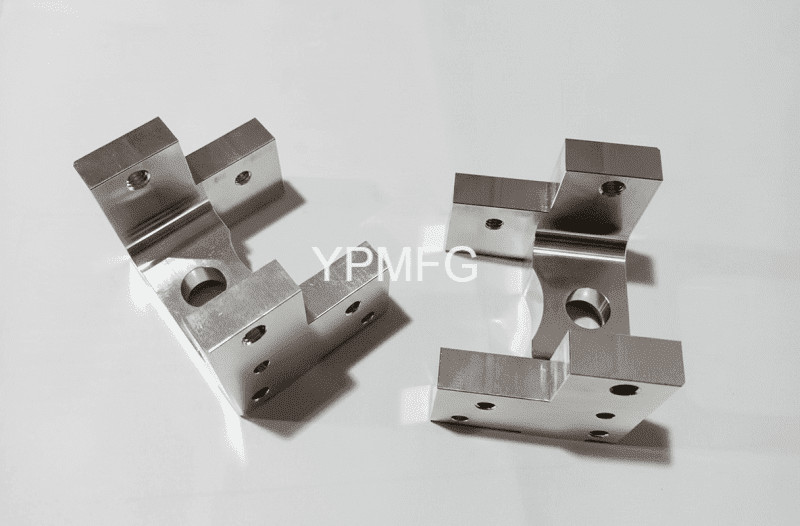
A metal CNC service provides precision machining of metal parts using computer-controlled equipment, typically including milling, turning, drilling, and finishing. Whether you need a single prototype or a production run, the right service depends on material compatibility, tolerance requirements, lead time, and engineering support. Choosing a partner with both machining capability and application experience reduces the risk of rework and delays.
Finding a reliable metal CNC service is not just about getting a quote. It is about ensuring the parts you receive meet your design intent, fit your assembly, and perform under real-world conditions. Many buyers focus on unit price first, only to discover hidden costs from poor surface finish, inconsistent tolerances, or lack of documentation.
A qualified metal CNC service should offer more than just machine time. You need support in material selection, design for manufacturability (DFM) feedback, and post-machining treatments. YPMFG provides this level of engineering review as part of its standard quoting process, helping buyers avoid common pitfalls before cutting begins.
What Is a Metal CNC Service?
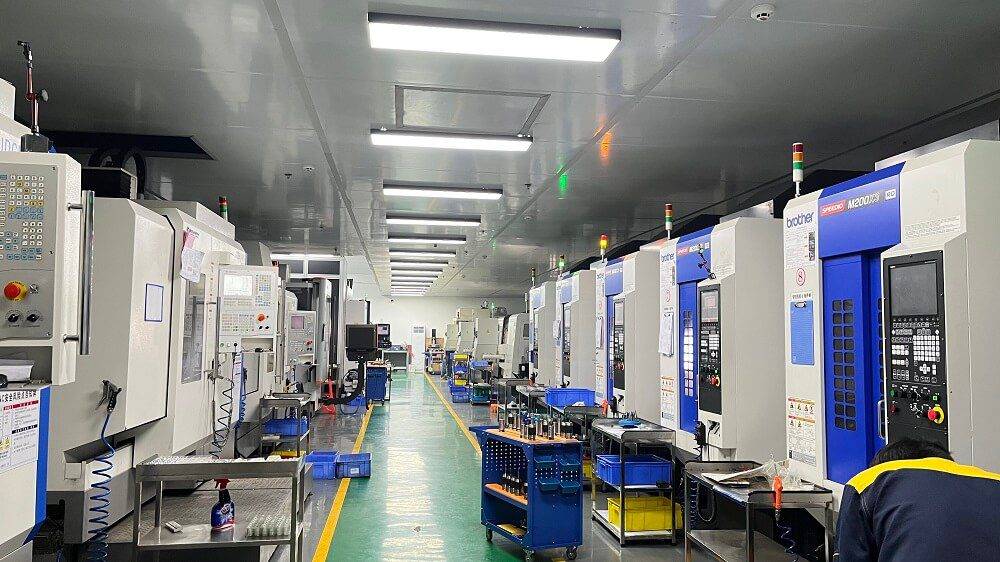
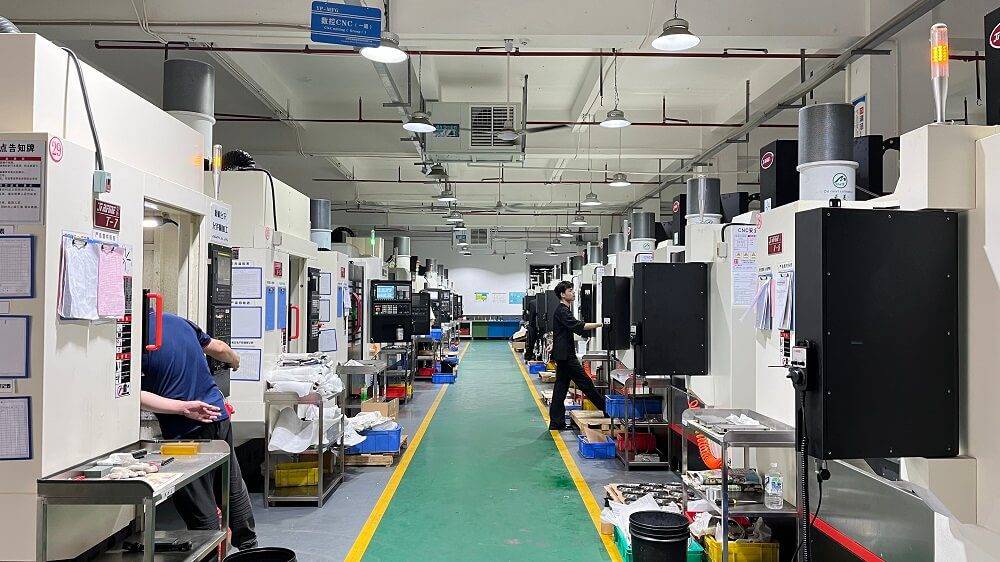
A metal CNC service refers to a manufacturing provider that uses computer numerical control machines to cut, shape, and finish metal components. This includes 3-axis, 4-axis, and 5-axis milling, as well as turning, drilling, and tapping operations.
The service typically covers the entire workflow: reviewing CAD files, selecting the right metal grade, programming the machine,setting up tooling, machining the part, and performing quality checks. Some providers also offer secondary operations like deburring, anodizing, or heat treating.
A full-service provider like YPMFG integrates DFM feedback early in the process, which helps reduce machining complexity and material waste while maintaining the required tolerances.

Key Capabilities to Check
Not all metal CNC services are the same. Before placing an order, verify the following capabilities:
Machine types: 3-axis, 4-axis, or 5-axis. Complex geometries often require multi-axis machining.
Maximum part size: Check work envelope limits for your largest dimension.
Material compatibility: Confirm the service works with your required alloy, such as aluminum, steel, stainless steel, brass, or titanium.
Tolerance range: Standard is ±0.005 inch; precision work may require ±0.001 inch or tighter.
Surface finish options: As-machined, bead blasted, anodized, plated, or painted.
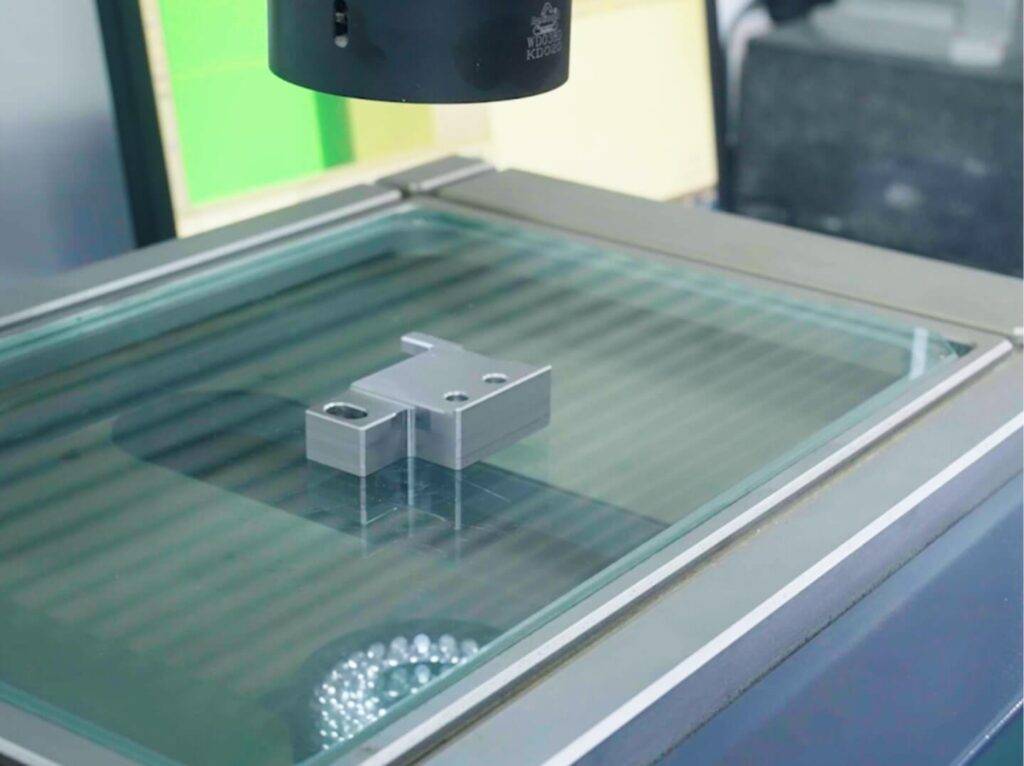
Quality inspection: CMM reports, first article inspection, or material certificates.
If any of these are unclear, ask for documentation. YPMFG can provide material certifications and inspection reports upon request.
Materials Commonly Used in Metal CNC Machining
Selecting the wrong material for your metal CNC service can lead to higher costs, longer lead times, or premature part failure.
Tolerance and Surface Finish Expectations
Tolerance is one of the most common sources of miscommunication between buyers and machine shops. A general metal CNC service can hold ±0.005 inch for most features. For tight fits or mating surfaces, ±0.001 inch or better is achievable but requires more setup time and inspection.
Surface finish also varies. As-machined parts typically show visible tool marks. If your design requires a smooth appearance or specific roughness (Ra), specify that in your drawing.
YPMFG reviews your tolerance and finish requirements before quoting, so there are no surprises later.
Factors That Affect Cost and Lead Time
Several variables influence the final price and delivery timeline of a metal CNC service:
Part complexity: More features, tight tolerances, and thin walls increase machining time.
Material cost and availability: Exotic alloys or large billet sizes cost more and may take longer to source.
Quantity: Small batches have higher per-unit cost due to setup time. Larger runs spread setup across more parts.
Secondary operations: Heat treating, plating, or assembly add both time and cost.
Inspection requirements: Full CMM reports or first article inspection can extend the lead time.
Understanding these factors helps you make informed trade-offs between cost, speed, and quality.
Common Mistakes When Choosing a Metal CNC Service
Sending incomplete drawings. Missing tolerances, thread callouts, or surface finish specs can lead to incorrect parts.
Choosing only on price. The cheapest quote often skips engineering review or quality checks.
Ignoring material availability. Some alloys require special tooling or longer lead times.
Skipping DFM feedback. A part designed for 3D printing may not machine efficiently. DFM review can save hours of machine time.
Not verifying the inspection process. Without a clear quality plan, you risk receiving non-conforming parts.
A reliable metal CNC service will flag these issues before production starts. YPMFG includes a DFM check in every quote to help buyers avoid these mistakes.
Questions Buyers Often Ask About Metal CNC Services
What file formats do you accept for a metal CNC service?
Most shops accept STEP, IGES, or native CAD files like SolidWorks or Fusion 360. PDF drawings are helpful for dimension and tolerance callouts.
How long does it take to get a prototype machined?
For simple geometries in common materials, typical lead time is 5 to 10 business days. Complex parts or exotic alloys may require 15 to 20 business days.
Can you machine parts from my existing drawing?
Yes, as long as the drawing includes all critical dimensions, tolerances, material specifications, and surface finish requirements.
Do you provide material certifications?
Many metal CNC services offer material certifications upon request. Always confirm this before placing an order, especially for regulated industries.
What is the minimum order quantity?
Most services accept single-piece orders for prototypes. Production runs typically have no minimum, but lower quantities mean higher per-unit cost.
Can you handle both small and large production runs?
Yes, but confirm that the provider can scale from prototype to production without requalifying the process.
How do you handle part inspection?
Standard inspection includes dimensional checks with calipers, micrometers, and CMM as needed. First article inspection reports are available on request.
What if my part requires a special surface treatment?
Most metal CNC services can coordinate with local finishing vendors. Specify the treatment in your RFQ so it is included in the timeline and cost.
Making a Better Long-Term Decision
A metal CNC service is more than a vendor. It is a partner in your product development and production process. The right provider helps you reduce time to market, avoid costly rework, and maintain consistent quality across batches.
When evaluating your next service provider, look beyond the quote. Assess their engineering support, material knowledge, inspection process, and communication speed. YPMFG supports buyers with engineering review, custom solutions, and documentation from the first inquiry. If you have a design you are unsure about, send your specifications to YPMFG for a full evaluation before committing to production.