Quick answer:
A 3‑axis CNC lathe turning part is a component produced on a CNC lathe that uses three controlled axes — typically X, Z, and a live‑tool or C‑axis — to perform turning, facing, drilling, and milling operations in a single setup. These parts are widely used in industries where cylindrical geometry, tight tolerances,and reduced handling are critical. Because the machine can complete multiple operations without repositioning, part accuracy improves and lead times shorten.
CNC turning with live tooling has become a standard approach for buyers who need complex rotational parts without the cost or delay of secondary operations. But not all “3‑axis” lathes are the same, and the difference in capability, rigidity, and programming directly affects part quality and total project cost. Understanding what defines a true 3‑axis turning part helps you evaluate suppliers, compare quotes, and avoid common specification gaps that lead to rework or delivery delays.
What Is a 3‑Axis CNC Lathe Turning Part?
A 3‑axis CNC lathe turning part refers to any cylindrical component machined on a lathe that moves the cutting tool along three linear or rotary axes. In most configurations, the primary axes are:
X‑axis – controls tool movement toward or away from the part centerline
Z‑axis – controls tool movement along the part length
C‑axis or live‑tool axis – controls spindle positioning or allows rotating tools to cut off‑center features
This third axis is what distinguishes a 3‑axis lathe from a standard 2‑axis machine. With a C‑axis and live tooling, the lathe can mill flats, drill cross holes, cut keyways, and create off‑center features — all without moving the part to a separate mill. The result is a single‑setup part that maintains tighter concentricity and reduces total manufacturing time.
These parts typically feature cylindrical outer diameters, internal bores, threads, and axial or radial secondary features. Common examples include hydraulic fittings, motor shafts, valve bodies, sensor housings, and pulley assemblies.
How a 3‑Axis Lathe Differs from a 2‑Axis or Multi‑Axis Machine
For most industrial buyers, a 3‑axis live‑tool lathe offers the best balance between capability and cost. It eliminates the need for a second machine for basic milling features, which directly reduces part handling errors and shortens delivery time.
Key Capabilities of a 3‑Axis CNC Lathe for Turning Parts
1. Single‑Setup Machining
The most important advantage is that the part stays clamped in one position. This eliminates alignment errors that occur when moving a part between a lathe and a mill. Tolerances on features such as cross‑drilled holes and flats remain consistent relative to the main bore or diameter.
2. Live Tooling for Milling and Drilling
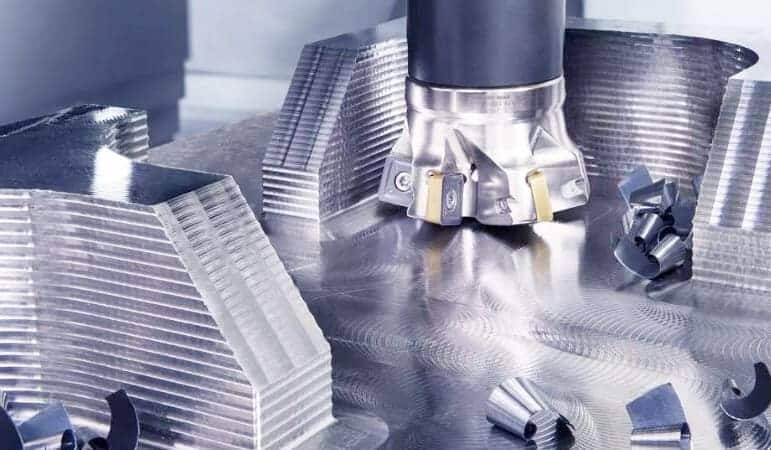
Live tooling allows the lathe to perform milling operations using rotating cutting tools driven by a separate motor. This capability enables:
Milling of slots and keyways
Drilling of radial or axial holes
Tapping threads at any angle
Creating hexagonal or square profiles
3. C‑Axis Positioning
The C‑axis locks the spindle at a precise angular position. This allows the live tool to cut features at exact locations around the part circumference. Without C‑axis control, off‑center features would require a second setup on a milling machine.
4. Tight Tolerance Control
Because all features are machined in one setup, concentricity between the bore and outer diameter is easier to maintain. Typical tolerances for 3‑axis turned parts range from ±0.001 inch to ±0.0005 inch depending on material and machine condition.
Materials Commonly Used for 3‑Axis Turning Parts
The material choice directly affects tool wear, cycle time, and final part performance. A 3‑axis lathe can machine most common engineering materials, but each behaves differently under live‑tooling conditions.
Aluminum (6061, 7075) – Fast cutting, excellent finish, good for prototypes and high‑volume production
Stainless steel (303, 304, 316) – Tougher on tooling, requires rigid setup, common for corrosion‑resistant parts
Carbon steel (1018, 1045, 4140) – Strong and affordable, often used for shafts and structural components
Brass and copper alloys – Excellent machinability, ideal for electrical and fluid‑handling parts
Plastics (Delrin, Nylon, PTFE) – Low cutting forces but require sharp tooling and proper chip evacuation
When selecting a material, consider not only mechanical properties but also how it behaves during cross‑drilling and milling operations. Some materials, like 316 stainless, generate work‑hardened surfaces that can reduce tool life if feed rates are not adjusted.
Design Considerations for 3‑Axis Lathe Parts
Designing a part specifically for 3‑axis turning can reduce cost and improve quality. The following guidelines are commonly used by experienced shops such as YPMFG when reviewing customer drawings.
Keep secondary features reachable – Flats, slots, and cross holes should be positioned so that the live tool can access them without special fixturing.
Avoid deep, narrow cross holes – Small‑diameter holes with high depth‑to‑diameter ratios are difficult to machine on a lathe and may require EDM.
Use standard thread sizes – Custom threads increase tooling cost and setup time.
Specify concentricity tolerances only where needed – Over‑specifying can force multiple setups or secondary grinding.
Include a chamfer on all edges – This reduces burr formation and improves part handling.
A well‑designed drawing allows the machinist to plan the tool path efficiently. If your design requires complex milling geometry, ask the supplier whether a 3‑axis lathe with live tooling is sufficient or if a multi‑axis machine would be more cost‑effective.
Common Questions About 3‑Axis CNC Lathe Turning Parts
Can a 3‑axis lathe produce threads?
Yes. Threading is a standard operation on any CNC lathe with C‑axis control. Both internal and external threads can be single‑pointed or cut using taps and dies with live tooling.
What is the maximum part size for a 3‑axis lathe?
Part size depends on the machine’s swing diameter and turning length. Typical machines handle parts up to 10–12 inches in diameter and 20–24 inches in length. Larger parts may require a bigger machine or an alternative process.
Are 3‑axis turning parts more expensive than 2‑axis parts?
Not necessarily. Although the machine rate is higher, the elimination of secondary milling operations often reduces total cost. For parts that require both turning and milling, a 3‑axis approach is usually more economical.
How do I check if my part is suitable for 3‑axis turning?
Review the print for features that require off‑center machining. If all features are concentric to the main axis, a 2‑axis lathe may be sufficient. If you have flats, cross holes, or slots, a 3‑axis lathe is likely the right choice.
What tolerances can I expect on a 3‑axis turning part?
Typical tolerances are ±0.001 inch for diameters and ±0.002 inch for positional features. Tighter tolerances are possible but may require slower feeds, more passes, or secondary grinding.
Do I need to specify different materials for live‑tooling?
No, but you should confirm that the material is suitable for milling operations. Some materials, like hardened tool steels, may require carbide or coated tools and reduced cutting speeds.
How long does it take to get a quote for a 3‑axis turning part?
Most suppliers, including YPMFG, provide a quote within 1–2 business days after reviewing the part drawing. Complex parts with tight tolerances or unusual materials may take longer.
Can I get a prototype before full production?
Yes. Many shops offer prototype runs using the same machine setup. This allows you to verify fit, function, and tolerances before committing to a larger order.
How to Evaluate a Supplier for 3‑Axis Turning Parts
Choosing the right partner for 3‑axis turning parts affects not only part quality but also your project timeline and budget. Consider the following criteria when comparing suppliers.
Machine capability – Verify that the supplier has live‑tooling lathes with C‑axis control. Older machines may have limited positioning accuracy.
Material sourcing – A supplier that stocks common materials can reduce lead time and simplify logistics.
Quality documentation – Request inspection reports, material certifications, and process sheets. This is especially important for regulated industries.
Engineering support – A supplier that offers DFM feedback can help you adjust your design to reduce cost without compromising function.
Lead time consistency – Check whether the supplier meets quoted delivery dates. Delays in prototype or first‑article runs often indicate production‑planning issues.
YPMFG provides engineering review and DFM feedback on every turning part project. This helps buyers identify design features that may increase cycle time or require special tooling before production begins.
Making the Right Choice for Your Turning Part Project
A 3‑axis CNC lathe turning part offers a practical balance between complexity and cost. By completing turning, milling, drilling, and threading in a single setup, it reduces handling errors, shortens lead times, and improves concentricity across all features. For parts that include both cylindrical and off‑center geometries, this approach is often the most efficient manufacturing method.
To get an accurate assessment for your next project, send your part drawing or specifications to YPMFG for review. Their engineering team will evaluate the print, suggest any design adjustments, and provide a clear quote with expected lead times. This upfront evaluation helps you avoid unexpected costs and ensures your part is machined to specification on the first run.