Quick answer:
Bent sheet metal parts are components formed by applying force to a flat metal sheet, creating precise angles, channels, or enclosures without cutting or welding. They are widely used in enclosures, brackets, frames, and structural supports across industries like automotive, aerospace, and industrial equipment. The bending process — typically done on a press brake — affects material thickness, grain direction, and bend radius, all of which influence final part strength, cost, and dimensional accuracy. Choosing the wrong bend allowance or tooling setup can lead to cracking, springback, or assembly fit issues. Understanding these factors upfront helps avoid costly rework and delays.
If you are sourcing bent sheet metal parts for a new product line or replacing a current supplier, you already know that a simple-looking bracket can hide complexity. Tolerances that seem tight on paper may cause fit problems in assembly. Material choices that save a few cents per part might lead to fatigue cracks after repeated use. The goal is not just to get a bent piece of metal — it is to get a part that performs consistently across your production run.
1. How Bending Works in Sheet Metal Fabrication
Bending reshapes a flat metal sheet along a straight axis. A press brake pushes the sheet into a die, forming a precise angle. The material stretches on the outer side and compresses on the inner side.
The bend allowance — the amount of material needed to account for stretching — must be calculated correctly. If it is off, the flat pattern will not fold into the correct final dimensions.
Springback is another factor. After bending, metal tends to return slightly toward its original shape. Experienced fabricators compensate by over-bending slightly or using coining techniques.
2. Key Design Factors That Affect Part Quality
Bend radius matters. A tight radius can cause cracking, especially in harder materials. A general rule: the inside bend radius should be at least equal to the material thickness.
Grain direction also affects strength. Bending parallel to the grain increases the risk of fracture. For critical parts, specify bending perpendicular to the grain direction.
Flange length must be long enough for the tooling to grip. Short flanges may require special dies or secondary operations.
Hole placement near a bend line can distort the hole. Keep holes at least three times the material thickness away from the bend.
3. Common Materials for Bent Sheet Metal Parts
If your application requires tight tolerances or repeated bending, material selection should be verified with the fabricator early in the design phase.
4. Cost Drivers You Should Know
Tooling complexity is a major cost factor. Standard dies are cheaper; custom dies for complex bends increase setup time and cost.
Material thickness directly affects bending force and machine time. Thicker materials require heavier presses and slower cycles.
Tolerance requirements also drive cost. Tighter tolerances mean more inspection, slower production, and higher scrap rates.
Quantity matters. Small runs may use manual setups, while high volumes justify CNC bending automation.
Secondary operations — like deburring, welding, or coating — add cost. Consolidating operations into a single supplier can reduce overall expense.
5. How to Evaluate a Supplier’s Capabilities
Not all shops handle bent sheet metal parts the same way. Ask these questions:
What is your maximum bend length and material thickness?
Do you provide bend allowance calculations or expect the customer to supply them?
Can you handle multiple bends in a single setup?
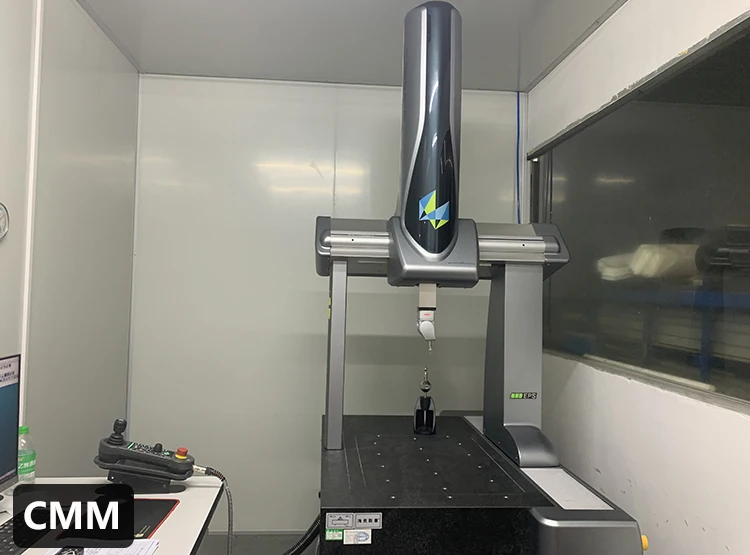
What inspection methods do you use for angle and dimension verification?
A supplier like YPMFG can help buyers compare tooling options, review bend sequences, and suggest material alternatives that maintain strength while reducing cost.
When evaluating a shop, ask for a sample part — not just a quote. The sample reveals real capability in setup accuracy, finish quality, and repeatability.
Common Questions About Bent Sheet Metal Parts
What is the minimum bend radius for sheet metal?
It depends on material and thickness. For steel, a common minimum is equal to material thickness. Aluminum may require a larger radius to avoid cracking. Always verify with your supplier.
Can bent sheet metal parts be welded afterward?
Yes, but welding can distort the bend area. Plan weld locations away from the bend line, or allow for post-weld straightening.
How do I prevent springback in bent parts?
Springback is natural. It can be reduced by using coining (compressing the bend) or by over-bending slightly. Material type and thickness also affect springback amount.
What is the difference between air bending and bottom bending?
Air bending uses less force and allows more angle flexibility. Bottom bending presses the sheet fully into the die for higher accuracy but requires more tonnage.
Do bent sheet metal parts need deburring?
Sheared edges often have burrs. Deburring improves safety and coating adhesion. Specify deburring if the part will be handled or painted.
Can I get a prototype before production?
Many shops offer prototype runs. This is useful for verifying bend angles, hole alignment, and assembly fit before committing to full production.
How do I specify tolerances for bent parts?
Use ASME Y14.5 or a similar standard. Typical bend angle tolerances are ±1 degree. Linear dimensions after bending are harder to hold — discuss with your fabricator.
What causes cracking in bent sheet metal?
Common causes: tight bend radius, bending parallel to grain, hard material,or cold temperatures. Slowing the bend speed or increasing the radius often helps.
Choosing the Right Bent Sheet Metal Parts for Your Application
Every part you source carries a set of trade-offs between cost, strength, and precision. Understanding how bend radius, material grain, and tooling interact helps you avoid expensive mistakes.
Start by reviewing your part’s function. Is it a cosmetic cover? A load-bearing bracket? A one-time prototype or a high-volume production item? Each scenario points to a different set of priorities.
YPMFG supports projects that require custom bent sheet metal parts, from early design review to final inspection. You can send your specifications, material requirements, and tolerance needs for an engineering assessment.
The right bend today saves weeks of rework tomorrow.