Quick answer:
Turbo machining refers to the precision manufacturing of components for turbochargers, including turbine housings, compressor wheels, and center housings, using advanced CNC processes. These parts require tight tolerances, high-temperature material capability, and strict geometric accuracy to withstand rotational speeds exceeding 150,000 RPM and extreme thermal cycles. Without proper machining parameters and material selection, turbo components risk premature failure, imbalance, or efficiency loss. For procurement professionals, understanding the specific requirements of turbo machining is the first step toward avoiding costly redesigns and performance issues.
Choosing the right machining partner for turbo components is not a simple procurement decision. The geometry, material, and surface finish of each part directly affect turbocharger efficiency, durability, and compliance with OEM specifications.
Many buyers focus only on unit price, overlooking the hidden costs of quality variation, lead time delays, and validation failures. This article walks you through the critical aspects of turbo machining, from material challenges to inspection requirements, so you can make informed sourcing decisions.
Turbo Machining and Its Core Challenges
Turbo machining is not conventional CNC work. The components operate under extreme conditions—high temperature, high pressure, and high rotational speed.
What makes turbo machining difficult:
Complex internal geometries that require multi-axis machining
Thin wall sections that are prone to vibration and deformation
Hard-to-machine alloys like Inconel, titanium, and stainless steel
Surface finish requirements that affect aerodynamic efficiency
Risk of poor machining:
Imbalance leading to bearing failure
Cracking under thermal stress
Reduced turbocharger efficiency
Shortened service life
Only a machining partner with dedicated experience in turbocharger components can consistently meet these demands.
02Common Turbo Components and Their Machining Requirements
Turbochargers consist of several precision parts, each with unique machining needs.
Turbine housing:
Typically cast from high-nickel alloys or ductile iron
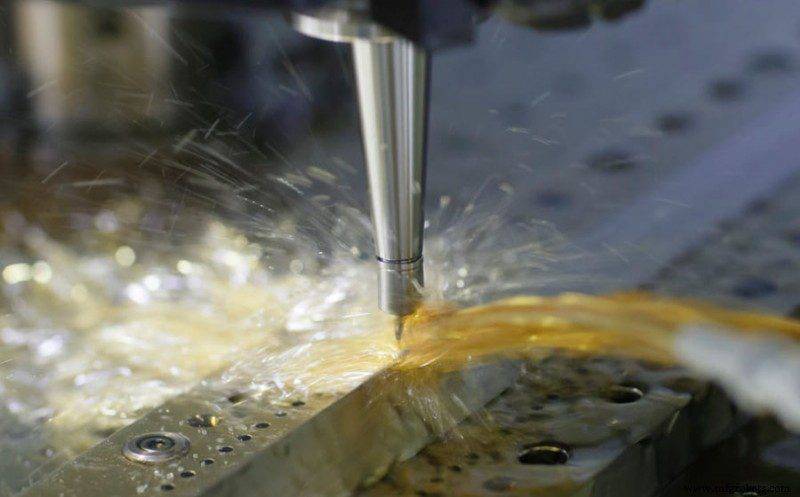
Requires machining of flange faces, bore diameters, and mounting holes
Must withstand exhaust gas temperatures up to 1,050°C
Compressor housing:
Often aluminum or cast iron
Requires smooth internal contours for airflow
Critical sealing surfaces and O-ring grooves
Center housing / bearing housing:
Usually cast iron or steel
Precision bores for bearing and shaft alignment
Oil passage drilling and pressure testing required
Compressor wheel and turbine wheel:
Typically machined from aluminum billet or Inconel forgings
Requires 5-axis CNC for complex blade geometry
Surface finish and balance critical for high-speed operation
Each component demands specific CNC machining capabilities, and a general machine shop may not have the necessary equipment or experience.
03Materials Used in Turbo Machining
Material selection directly impacts machining cost,tool life, and component performance.
Common materials and their challenges:
What to verify with your supplier:
Do they have experience with high-temperature alloys?
Are their tooling and coolant systems suitable for these materials?
Can they provide material certification traceability?
Using the wrong machining parameters for these materials often leads to scrapped parts and delayed delivery.
04Key Tolerances and Surface Finish Specifications
Turbo components demand tighter tolerances than most mechanical parts.
Typical tolerance requirements:
Bearing bores: ±0.005 mm
Shaft fit diameters: ±0.01 mm
Concentricity between bores: 0.02 mm or less
Surface finish on seal surfaces: Ra 0.4 µm or better
Why these matter:
A loose bearing fit causes oil leakage and vibration
Poor concentricity leads to imbalance and reduced turbo life
Rough surface finish on blade profiles decreases compressor efficiency
Inspection capability is critical.
Your supplier should have CMM (Coordinate Measuring Machine) capability, surface profilometers, and high-speed balancing equipment. Without these, they cannot verify conformance to turbocharger specifications.
05Quality Control and Inspection Methods
Quality in turbo machining goes beyond dimensional checks.
Essential inspection steps:
First article inspection (FAI) with full dimensional report
In-process measurement of critical features
Surface finish measurement on sealing and aerodynamic surfaces
High-speed balancing for rotating assemblies
Pressure testing for oil and coolant passages
Material certification review
Common quality failures:
Burrs left on internal oil passages
Tool marks on sealing faces
Out-of-round bores from clamping distortion
How to reduce risk:
Ask your supplier for their inspection checklist specific to turbocharger components. A detailed quality plan shows they understand the application.
06Common Mistakes in Turbo Component Sourcing
Buyers often assume any CNC shop can machine turbo parts. This assumption can be expensive.
Mistake 1: Choosing based on price alone
Low-cost machining often means lower-quality tooling, less inspection, and higher scrap rates. The hidden cost of late delivery or rejected parts far outweighs the initial savings.
Mistake 2: Not verifying material handling
Some materials, especially Inconel and titanium, require specific cutting tools, speeds, and coolant concentrations. A shop unfamiliar with these may damage the material or produce out-of-tolerance parts.
Mistake 3: Overlooking surface finish requirements
A part that meets dimensional tolerances but fails surface finish requirements is still non-conforming. Ensure your supplier measures and reports surface finish.
Mistake 4: Skipping prototype validation
Without a prototype run, you cannot verify machining process stability. A single good part does not guarantee repeatability.
Mistake 5: Ignoring post-machining treatments
Many turbo components require deburring, cleaning, passivation, or coating. Confirm these steps are included in the scope.
07Questions Buyers Often Ask About Turbo Machining
What is the typical lead time for turbo component machining?
Lead time depends on complexity and material. Simple housings may take 4-6 weeks, while complex turbine wheels can take 8-12 weeks including material procurement and inspection.
Can you machine turbo parts from customer-supplied castings?
Yes, many suppliers accept customer-supplied castings for finish machining. However, you must verify the casting quality and stock allowance before machining begins.
What certifications should a turbo machining supplier have?
ISO 9001 is a baseline. For aerospace or high-performance applications, AS9100 or IATF 16949 may be required. Material certifications and traceability are also essential.
How do you ensure balance in rotating turbo components?
Balance is achieved through precise machining tolerances, low-runout fixturing, and high-speed balancing equipment. A good supplier will include balance reports with each part.
What is the cost range for machining a turbo housing?
Cost varies widely by material, complexity, and quantity. Expect higher per-part cost for Inconel or titanium due to tool wear and longer cycle times. Always request a detailed quote with setup and inspection costs.
Do you offer design-for-manufacturing support for turbo components?
Many experienced suppliers offer DFM feedback to reduce machining cost and improve quality. This can include adjusting wall thickness, adding draft angles, or changing material grade.
What surface finish can you achieve on compressor wheel blades?
Surface finish of Ra 0.8 µm or better is achievable with proper tool selection and finishing passes. For highest efficiency, some applications require Ra 0.4 µm or mirror finishes.
How do you handle rush orders for turbo machining?
Rush orders are possible but often involve overtime or expedited material procurement. Confirm lead time flexibility and any premium charges before placing the order.
08Choosing the Right Turbo Machining Partner
Selecting a machining partner for turbo components is a strategic decision that affects product performance, delivery reliability, and long-term cost.
What to look for:
Proven experience with turbocharger components
Multi-axis CNC capability (4-axis and 5-axis preferred)
In-house inspection and balancing equipment
Material expertise, especially for high-temperature alloys
Willingness to share quality plans and inspection data
YPMFG supports projects that require strict adherence to turbo machining specifications. Our engineering team can review your drawings, suggest design for manufacturability improvements, and provide a detailed quote including all inspection and certification steps.
Your next step:
Send your turbo component drawings or specifications to YPMFG for a comprehensive engineering evaluation. We will confirm material suitability, machining approach, and quality plan before any production begins. This upfront review helps avoid surprises and ensures your parts meet performance expectations from day one.