Quick answer:
Choosing a CNC machine brand depends on your part complexity, production volume, material type, and budget. No single brand works for every application. The right brand for a high-mix aerospace job shop is different from one running long production runs of aluminum brackets. The key is matching the machine’s rigidity, spindle speed, control system, and service network to your specific manufacturing needs.
When you evaluate CNC machine brands, the real cost is not the purchase price. It is the total cost over five years, including downtime, tooling, maintenance, and post-processing. A machine that saves you money on day one can cost you three times that in lost throughput later. This article helps you separate marketing claims from engineering reality, so you can make a decision that actually improves your shop floor profitability.
Table of Contents
1. What Makes a CNC Machine Brand Reliable
2. Key Differences Between CNC Machine Brands
3. How to Match a Brand to Your Material and Tolerance
4. The Role of Control Systems in Brand Selection
5. Common Mistakes When Choosing CNC Machine Brands
6. Questions Buyers Often Ask About CNC Machine Brands
7. Need Help Selecting the Right CNC Machine Brand?
01What Makes a CNC Machine Brand Reliable
A reliable CNC machine brand delivers consistent repeatability over years of operation, not just in the first six months.
Reliability starts with machine construction. Look for cast iron or polymer concrete bases, linear guide rails from proven suppliers, and spindle assemblies tested under load. A brand that sources its own castings and grinds its own ways typically offers better long-term stability than an assembler of third-party components.
Service network matters as much as hardware. A brand with a local distributor who stocks spindles, drives, and ball screws can get you back online in days. A brand without that support may leave you waiting weeks for a replacement part.
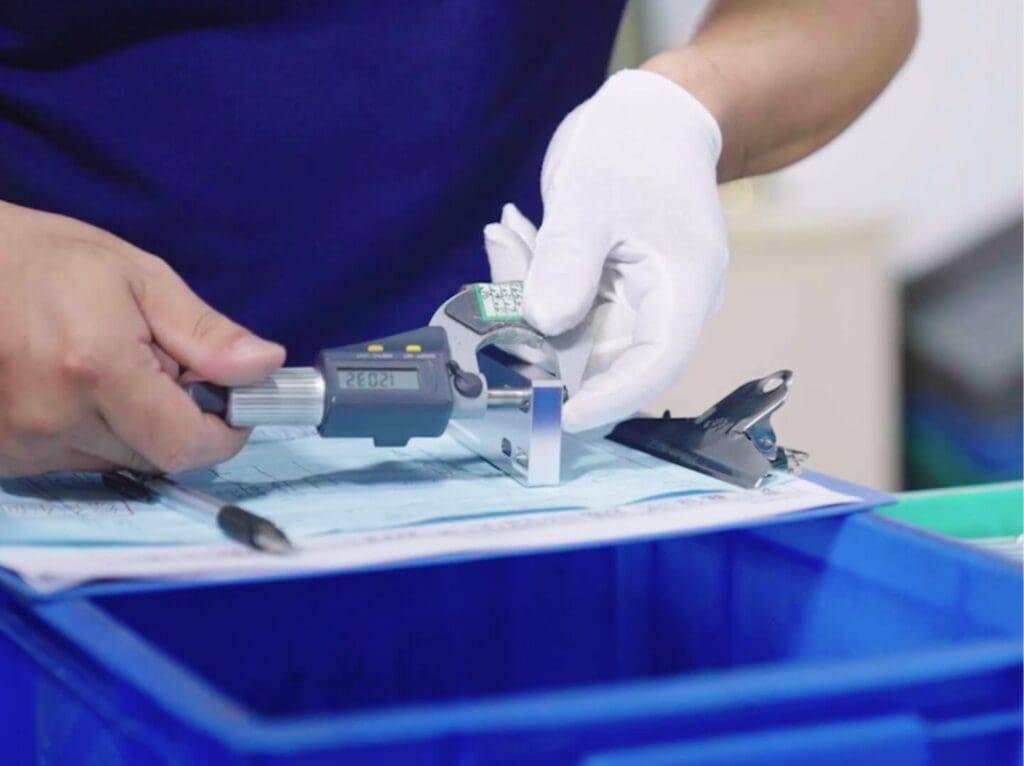
Documentation and training also separate reliable brands from the rest. Clear maintenance schedules,wiring diagrams, and accessible training programs reduce operator error and extend machine life.
You should also verify how the brand handles software updates and control system support. Some brands stop supporting older controls after a few years, forcing you into an expensive retrofit.
02Key Differences Between CNC Machine Brands
CNC machine brands differ across several measurable dimensions. The table below outlines the most important factors to compare.
Entry-level brands work well for prototype shops, small runs, or training environments where tolerance is not critical. They are also a common starting point for new machine shops.
Mid-range brands cover most job shop applications in aerospace, automotive, and medical device manufacturing. They offer a good balance between initial cost and long-term reliability.
High-end brands are necessary when you need tight tolerances, complex geometries, or high uptime in production environments. The premium you pay covers engineering support, better thermal management, and longer service life.
03How to Match a Brand to Your Material and Tolerance
The material you cut most often should drive your brand decision.
Aluminum and non-ferrous alloys favor brands with higher spindle speeds and faster rapids. Look for machines that can run 12,000 RPM or higher and have chip management systems designed for high-volume swarf.
Steel and stainless steel require machine rigidity. Brands with heavier bases, lower spindle speeds but higher torque, and robust coolant systems are better suited. A machine that flexes under steel cutting will produce out-of-tolerance parts and wear out faster.
Exotic materials like titanium, Inconel, or hardened tool steels demand the most from a CNC machine. You need a brand with thermally stable construction, high-pressure coolant through the spindle, and rigid vibration-dampening design.
Tolerance also influences brand selection. If your parts require ±0.005 mm or tighter, you cannot use an entry-level brand. You need a mid-range or high-end machine with glass scales, thermal compensation, and a control system that can handle tool wear compensation in real time.
04The Role of Control Systems in Brand Selection
The control system is the brain of the machine. It determines what your operators can do, how easy it is to program, and whether you can integrate automation later.
Fanuc is the most common control in production shops. It is reliable, well-documented, and easy to find trained operators. However, it can feel outdated for complex 5-axis work.
Siemens controls offer more flexibility for multi-axis machining and complex cycles. They are common in European machine brands and are preferred for mold and die work.
Heidenhain is the standard for high-end 5-axis and aerospace work. The conversational programming is intuitive for operators who do not use CAM software for every job.
Mitsubishi and Okuma have their own proprietary controls. These systems are tightly integrated with the machine hardware, which can reduce compatibility issues but limits your ability to switch controls later.
When evaluating CNC machine brands, ask what control options are available and whether the brand supports retrofit compatibility with third-party controls.
05Common Mistakes When Choosing CNC Machine Brands
The most common mistake is buying a brand based on price alone.
A low-cost machine often requires more setup time, more tooling, and more rework. What you save on the purchase, you lose in labor and scrap.
Another mistake is ignoring power requirements. Some brands require 480V three-phase power, high air pressure, or special foundation work. A machine that needs a transformer or extra electrical work costs more than the quoted price.
Buyers also overestimate spindle power ratings. A 20-horsepower spindle from one brand does not cut the same material at the same rate as a 20-horsepower spindle from another. Torque curves and duty cycles matter. Ask for actual cutting data, not brochure numbers.
A fourth mistake is skipping on-site or remote runoffs. You should always see a machine cutting your part before you buy. If a brand refuses or cannot provide results, consider that a red flag.
Finally, many buyers forget to check used parts availability. Some brands discontinue models quickly, making it impossible to find replacement spindles or boards after a few years.
06Questions Buyers Often Ask About CNC Machine Brands
Which CNC machine brand is best for small job shops?
Mid-range brands like Haas, Doosan, or Okuma are common in small shops because of their service network and resale value. Entry-level brands can work if you have simple parts and lower tolerance requirements.
Are Japanese CNC brands better than European brands?
Not inherently. Japanese brands like Mazak and Mori Seiki are known for long-term reliability and strong support in North America. European brands like DMG Mori, Hermle, and GF Machining Solutions offer better thermal stability and control options for complex work.
How do I know if a brand supports 5-axis machining well?
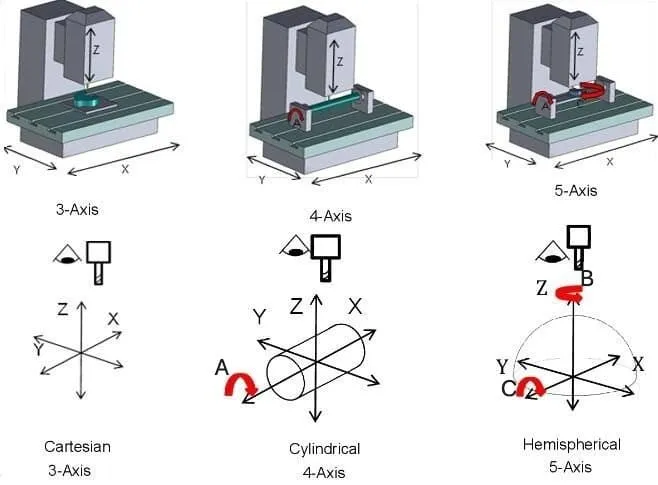
Check for built-in rotary tables, collision avoidance software, and control systems that handle simultaneous 5-axis toolpath. A brand that offers full training and post-processor support is more likely to support 5-axis effectively.
Should I buy new or used from a brand?
New machines come with warranty, installation support, and the latest control technology. Used machines can save money but require thorough inspection, especially for spindle condition, way wear, and control compatibility.
Can I mix brands on my shop floor?
Yes, but it adds complexity. Operators need to learn different controls. Spare parts inventory grows. Tooling and workholding may not transfer between brands. Standardizing on one or two brands reduces these problems.
What brand do most aerospace job shops use?
Aerospace shops frequently choose brands like DMG Mori, Okuma, Mazak, and Hermle. These brands offer the rigidity, thermal management, and control precision needed for complex parts and tight tolerances.
07Need Help Selecting the Right CNC Machine Brand?
Selecting a CNC machine brand is not about which name is most famous. It is about which machine matches your part requirements, production volume, and service expectations.
If you are evaluating a new machine for your shop, start by defining your tolerance range, material type, and expected cycle time. Then compare brands based on those parameters, not on price alone.
YPMFG works with job shops and production facilities that need consistent, high-precision CNC machining. We can help you evaluate your current machine capabilities and recommend specifications that match your actual production needs. Send us your part drawings, tolerance requirements, and volume estimates for an engineering review. We will help you determine which machine specifications will deliver the reliability and throughput your shop requires.