Quick answer:
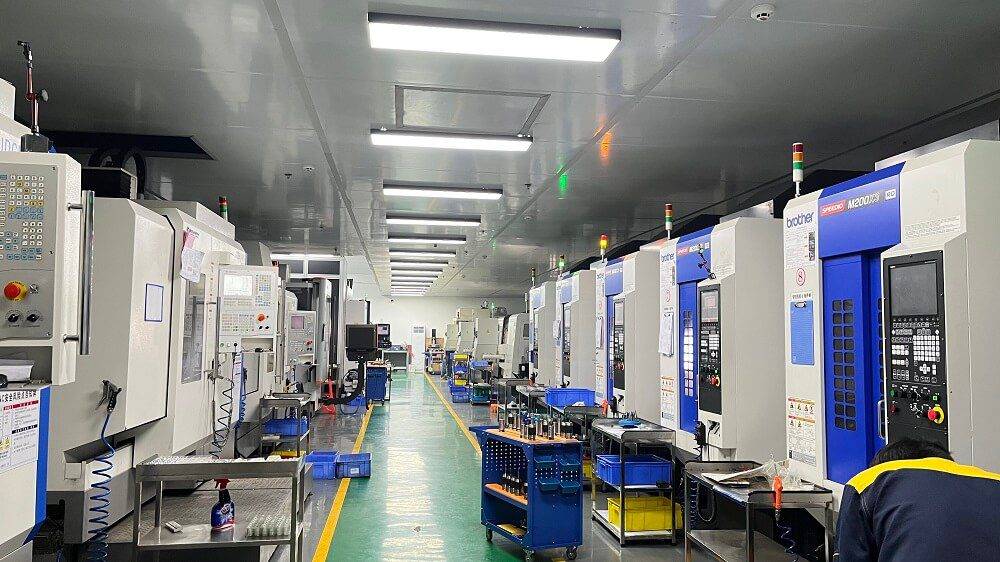
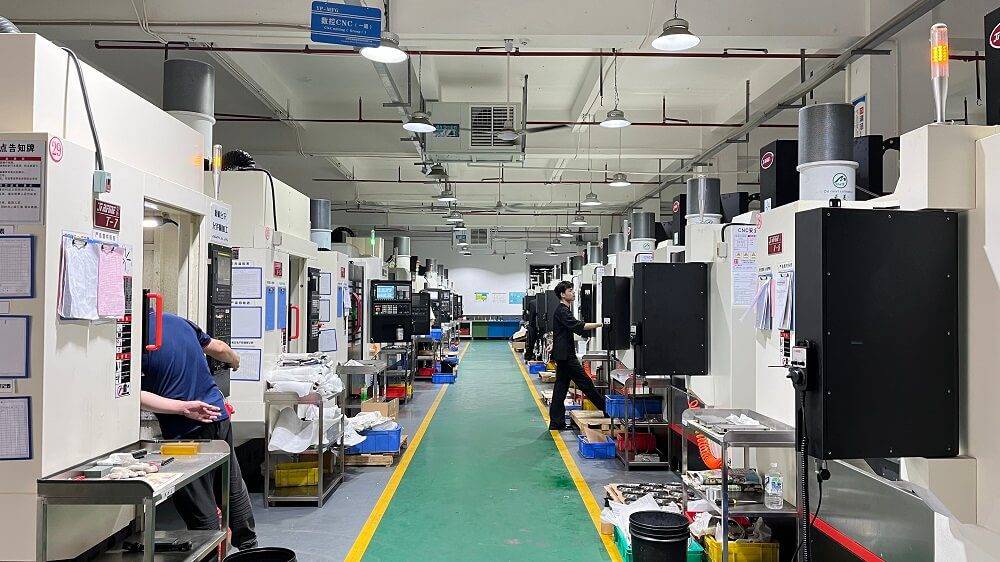
Choosing the right CNC precision machining company requires looking beyond the quoted price. The most reliable partners are defined by their technical expertise, process control capabilities, and commitment to quality assurance. A company that excels in complex part machining and provides comprehensive engineering support will deliver better long-term value, reducing the risk of production delays, rework costs, and component failure in your final assembly.
Selecting a manufacturing partner is a critical decision with long-term implications for your project’s cost, timeline, and performance. Many buyers focus primarily on unit cost, only to encounter hidden expenses from quality issues, communication gaps,or an inability to handle design complexities. This guide outlines the essential factors to evaluate, helping you identify a capable partner and avoid common pitfalls.
Table of Contents
1. Defining True Precision in Machining Capabilities
2. The Hidden Cost Drivers Beyond the Initial Quote
3. Critical Questions for Your Technical Assessment
4. Red Flags That Signal Potential Partnership Risks
5. The Value of Engineering Collaboration and Support
6. Making the Final Decision and Next Steps
Defining True Precision in Machining Capabilities
Precision is not a single number. It encompasses dimensional accuracy, surface finish consistency, and the ability to hold tight tolerances across multiple parts. A proficient CNC machining service demonstrates this through controlled processes, not just machine specifications.
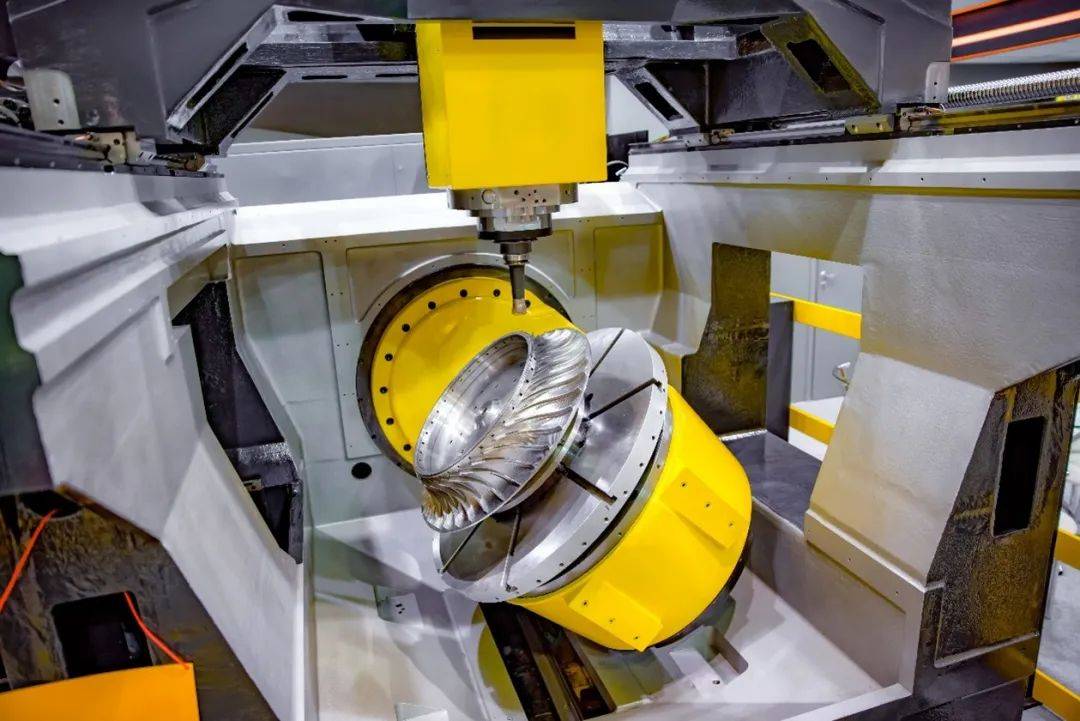
Key indicators include documented procedures for in-process inspection and final quality control. The company should clearly communicate its standard tolerances and capabilities for different materials. For instance, holding ±0.0005″ in aluminum is common, but achieving the same in stainless steel requires different strategies. YPMFG can help buyers understand these nuances by reviewing part geometries against material properties.
The true test is repeatability. Can they produce the tenth part identical to the first? This depends on fixturing, tool management, and operator skill.
The Hidden Cost Drivers Beyond the Initial Quote
The purchase price is a fraction of the total cost. Unreliable delivery can halt your assembly line. Poor surface finish may require secondary operations. A part that fails in testing incurs re-machining and delay costs.
Consider these often-overlooked factors:
Communication Efficiency: Slow response times and unclear updates create project management overhead.
Documentation: Lack of proper inspection reports or material certifications adds verification work for your team.
Design for Manufacturability (DFM): A vendor that doesn’t offer DFM feedback may produce a part that is unnecessarily expensive or difficult to machine.
A lower quote that excludes robust quality assurance processes often leads to higher total cost. The goal is to minimize total cost of ownership, not just the initial invoice.
Critical Questions for Your Technical Assessment
Asking targeted questions separates marketing claims from operational reality. Move beyond general inquiries to specific, technical dialogues.
What is your typical process for first article inspection? How do you manage tool wear during a production run? Can you share an example of a challenging tolerance you successfully held? Requesting a sample machining quote for a test part can reveal their quoting thoroughness and attention to detail.
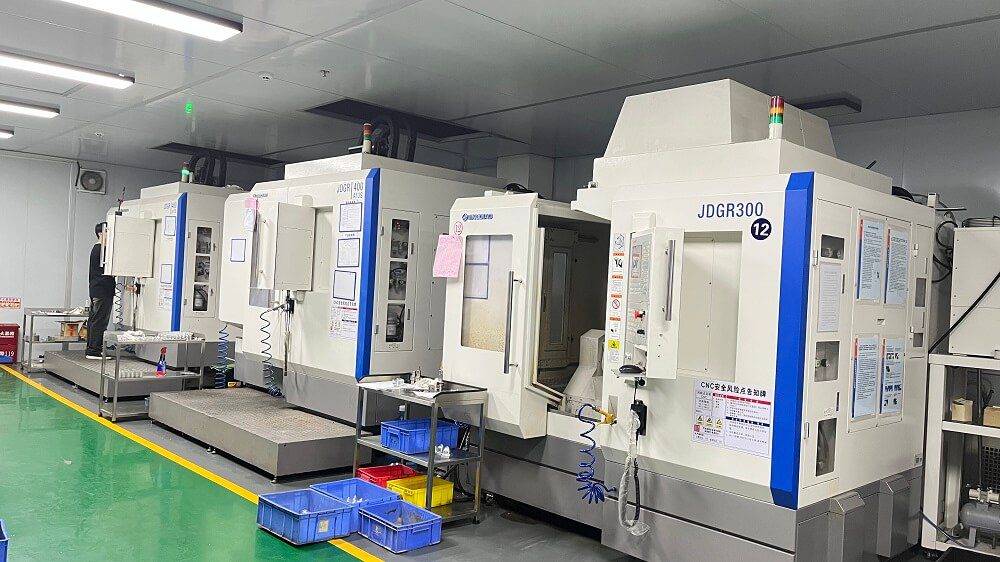
Their answers should be concrete. Vague responses are a warning sign. A company like YPMFG supports these assessments by providing clear technical specifications and process explanations upon request, allowing for a fact-based evaluation.
Red Flags That Signal Potential Partnership Risks
Some issues should immediately give you pause. An unwillingness to discuss their quality control methods is a major concern. So is a quote that seems abnormally low without clear justification.
Beware of companies that promise everything without asking detailed questions about your application. A lack of curiosity about the part’s function, load conditions, or assembly environment suggests they may not anticipate manufacturing challenges. Difficulty in obtaining clear lead time estimates or a refusal to put key specifications in writing are other significant red flags.
Procurement mistakes here create project risks. The fear of delayed product launches or field failures should guide your diligence.
The Value of Engineering Collaboration and Support
The best outcomes arise from partnership. A precision machining partner that engages early can optimize your design for cost, performance, and manufacturability. This engineering collaboration is a force multiplier.
They can suggest alternative machining materials that meet requirements at a lower cost. They can recommend tolerance relaxations that don’t affect function but improve yield. This proactive design for manufacturability support is where significant value is captured. You can send your specifications to YPMFG for an engineering review to experience this collaborative approach firsthand.
This phase transforms a transactional supplier into a strategic extension of your team.
Making the Final Decision and Next Steps
Synthesize all collected information: capabilities, cost factors, communication quality, and risk assessment. The optimal choice balances technical competence with commercial alignment and a culture of problem-solving.
Do not default to the lowest bidder if other factors are weak. The right partner invests in relationships and process integrity, ensuring your components are reliable. For a custom machining solution, the supplier’s adaptability is as crucial as their machinery.
Common Questions About CNC Machining Partners
How do I verify a company’s quality certifications?
Ask for copies of their quality management system certificate (e.g., ISO 9001) and request examples of inspection documentation they provide to customers. A reputable company will share these willingly.
What is a reasonable lead time for prototype parts?
Lead times vary by complexity, but for standard CNC machined parts, expect 2-4 weeks for prototypes. Companies offering extremely fast turnarounds may be cutting corners on planning or quality checks.
Should I provide my own material?
While possible, it is often less efficient. A capable machining company has established material supply chains, ensuring proper material certifications and often better pricing. Provide your material only for very specialized alloys.
How are design changes handled during a quote?
A professional process includes a formal quote revision. Changes should be documented, and their impact on cost and lead time should be communicated clearly before proceeding.
Need Help Selecting the Right Machining Partner?
The decision carries weight. A misstep affects more than just a single order; it impacts your product’s reliability and your team’s timeline. Moving forward requires a clear comparison of potential partners based on tangible, operational criteria.
If you are evaluating CNC precision machining companies for an upcoming project, consider sending your specifications or drawings for a professional assessment. YPMFG can provide a detailed machining quote and engineering feedback, helping you make a more informed, low-risk decision for your precision components.