Quick answer:
Customized stainless steel CNC milling produces parts with superior mechanical properties and corrosion resistance. The process involves subtractive manufacturing where a rotating tool removes material from a stainless steel workpiece. The final part’s performance depends heavily on the specific alloy selected, machining strategies employed, and the supplier’s engineering expertise.
Choosing the wrong approach for custom stainless milling can lead to rapid part failure, project delays, and significant cost overruns due to rework. This guide cuts through the complexity. It clarifies how to specify parts that last, avoid common machining pitfalls, and partner with a manufacturer who understands the intricacies of stainless.
Table of Contents
1. Why Custom Stainless Milling Is a Complex Process
2. Selecting the Right Stainless Steel Alloy for Your Part
3. Key Machining Parameters That Impact Quality and Cost
4. Design for Manufacturing (DfM) for Stainless Components
5. Assessing Supplier Capability Beyond the Quote
6. Common Questions About Stainless CNC Milling
Why Custom Stainless Milling Is a Complex Process
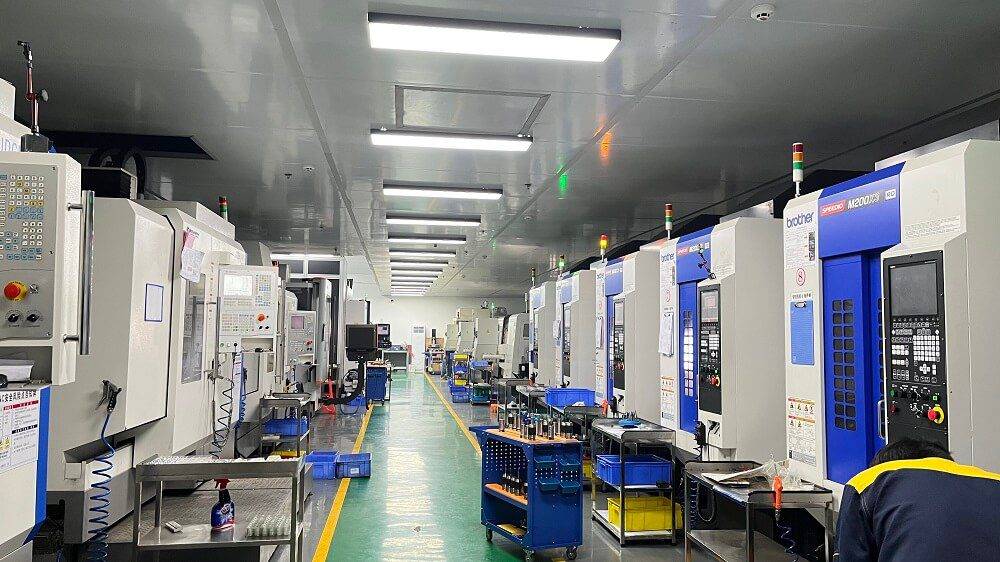
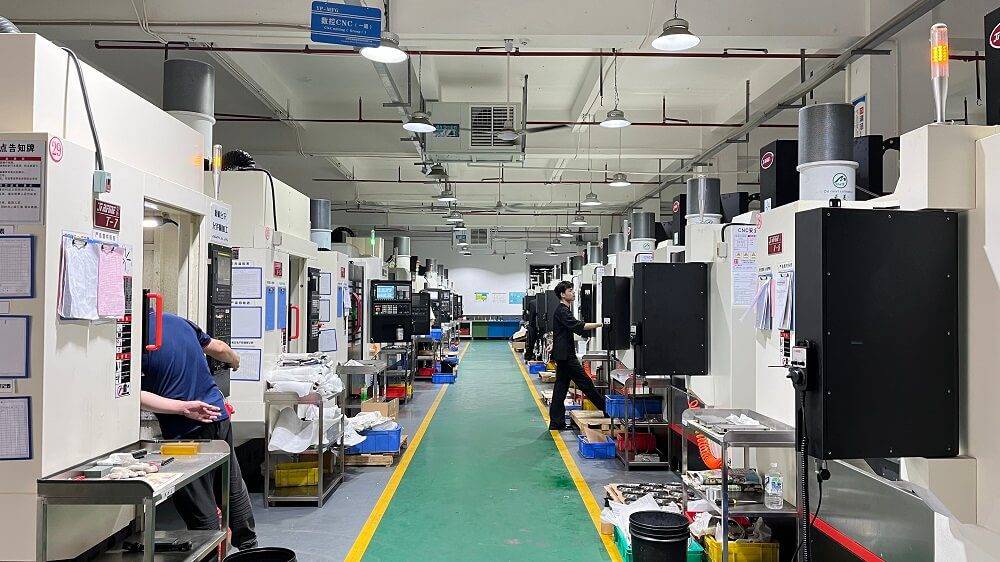
Stainless steel is not a single material. Its work-hardening tendency and low thermal conductivity present unique challenges. Standard machining parameters often fail. This leads to tool wear, poor surface finishes, and dimensional inaccuracies. The process demands specialized knowledge.
A supplier must understand metallurgy. They must adjust feed rates, spindle speeds, and coolant application for each stainless steel grade. Without this, the material’s inherent benefits are compromised. The risk isn’t just a bad part—it’s a part that fails in critical conditions.
Success requires a controlled, informed approach from the very first design review.
Selecting the Right Stainless Steel Alloy for Your Part
Alloy choice is the first critical decision. It dictates machining difficulty, final cost, and application suitability. The common categories—austenitic (e.g., 304, 316), martensitic (e.g., 410, 440), and precipitation-hardening (e.g., 17-4 PH)—serve vastly different purposes.
303 vs. 304: 303 contains added sulfur for improved machinability, but at a slight cost to corrosion resistance. Grade 304 offers better general corrosion resistance but is gummier to machine.
316 for Harsh Environments: With added molybdenum, 316 stainless steel resists pitting from chlorides, making it ideal for marine or chemical applications.
Precipitation-Hardening Grades: Alloys like 17-4 PH can be machined in a soft state and later heat-treated for extreme strength, but this two-step process affects planning.
YPMFG can help buyers compare the lifecycle performance trade-offs. The cheapest alloy upfront often isn’t the most cost-effective long-term.
Key Machining Parameters That Impact Quality and Cost
Machining stainless is a balance of forces and heat. Incorrect parameters damage both the tool and the workpiece. The goal is to cut efficiently without inducing excessive work hardening.
Tool Selection: Carbide tools with specialized coatings are essential. Geometry must be optimized for chip evacuation.
Speed and Feed: Lower surface speeds and consistent, appropriate feed rates help manage heat and prevent tool “rubbing.”
Coolant Strategy: High-pressure, high-volume coolant is non-negotiable. It removes heat and flushes chips from the cutting zone.
A technical partnership with a knowledgeable CNC machining service is crucial. Their process validation directly influences part consistency and tooling expenses.
Design for Manufacturing (DfM) for Stainless Components
Smart design simplifies machining and reduces cost. Sharp internal corners,deep pockets with small tools, and thin, unsupported walls are problematic in tough stainless. They increase machining time and risk of vibration or breakage.
Specify realistic tolerances. Tighter-than-necessary tolerances exponentially increase cost.
Use standard tool radii for internal corners.
Consider symmetry and uniform wall thickness to promote stable, even material removal.
Sending your initial design to YPMFG for a manufacturability review can identify these issues early. This prevents costly redesigns after production has begun.
Assessing Supplier Capability Beyond the Quote
The lowest price often signals a lack of stainless-specific experience. A capable partner demonstrates process control and technical support.
Ask about their tooling philosophy and coolant systems for stainless.
Review their quality documentation for similar projects.
Request information on how they handle workholding for complex custom parts to prevent distortion.
Their ability to discuss material science and machining dynamics is more valuable than a simple price list. A true partner helps you optimize the entire value of the component.
Common Questions About Stainless CNC Milling
How does the cost compare to aluminum or mild steel?
Stainless machining is typically more expensive due to slower machining speeds, higher tool wear, and often the material cost itself. The investment is justified by the part’s longevity and performance in demanding environments.
Can you achieve a mirror finish on stainless steel parts?
Yes, through a series of progressive polishing or precision machining steps. However, it is a specialized, labor-intensive process that must be specified upfront, as it significantly impacts the production timeline and cost.
What file format is best for submitting a custom part design?
A 3D solid model in STEP or IGES format is ideal, accompanied by a 2D drawing in PDF format that specifies critical dimensions, tolerances, surface finishes, and the stainless steel grade.
How do you prevent corrosion during and after machining?
Using the correct coolant, handling parts with clean gloves, and applying passivation treatments post-machining are standard practices to maintain the corrosion resistance of the stainless steel.
Making a Better Long-Term Decision for Custom Stainless Parts
The true cost of a customized milling component is measured over its entire service life, not just the initial purchase order. A part that fails prematurely creates downtime, safety risks, and replacement expenses that dwarf any initial savings.
Need help selecting the right stainless steel alloy and machining approach for your application? You can send your specifications and performance requirements to YPMFG for a confidential engineering review. Our team provides actionable feedback on design, material selection, and cost drivers, helping you make an informed procurement decision for your CNC machined components.