Quick answer:
A CNC fixture is a custom workholding device used to locate, support, and secure a workpiece on a CNC machining center. Its primary job is to ensure consistent part positioning and rigidity during cutting, which directly impacts dimensional accuracy, surface finish, and cycle time. Choosing the wrong fixture can lead to scrapped parts, tool breakage, and increased per-part costs. For most shops, a modular fixture system offers the best balance of flexibility and precision for varied production runs.
Finding the right cnc machine fixtures is more than a purchase—it’s a strategic decision impacting your bottom line. Inconsistent clamping leads to scrap. Excessive setup time kills your machine’s utilization. YPMFG, as a precision machining service provider, understands that the correct fixture transforms a capable CNC machine into a reliable, profit-generating asset. This guide breaks down the core types, their trade-offs, and practical selection criteria.
Table of Contents
1. What Are CNC Fixtures and Why They Matter
2. Manual vs. Hydraulic vs. Pneumatic: Clamping Force Explained
3. Modular Fixture Systems: The Flexible Backbone
4. Dedicated Fixtures for High-Volume Production
5. Vises, Chucks, and Tombstones: Common Fixture Styles
6. Key Selection Factors: Material, Part Size, and Tolerances
7. 5 Fixture Mistakes That Increase Your Cost Per Part
8. How to Evaluate a Fixture for Your Next Job
1. What Are CNC Fixtures and Why They Matter
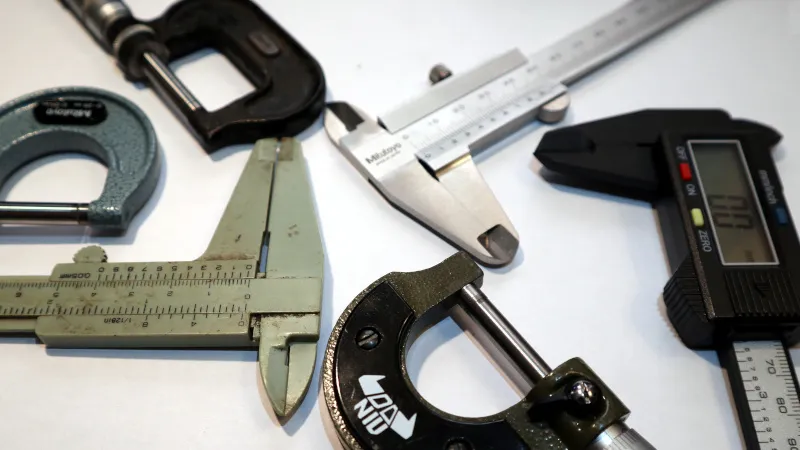
Every cut starts with a secure hold. A CNC machining fixture provides the critical interface between your raw material and the machine tool. Its core function is repeatability.
Without it, even minor vibration or thermal shift can ruin a part. The result is not just a scrapped component, but lost machine time, wasted material, and delayed deliveries. The right fixture is an investment in process reliability.
2. Manual vs. Hydraulic vs. Pneumatic: Clamping Force Explained
The power source defines the fixture’s speed and consistency. Manual clamps are simple but slow, suited for prototypes and very low volume. They rely on operator feel, introducing variability.
Hydraulic fixtures deliver immense, consistent force, ideal for heavy cuts in steel or titanium. Pneumatic systems are faster for light to medium-duty aluminum work. The choice often comes down to required clamping pressure versus desired cycle time reduction.
3. Modular Fixture Systems: The Flexible Backbone
For job shops and mixed production, a modular fixture system is often the optimal solution. It uses a library of standardized bases, locators, clamps, and supports.
This approach drastically reduces dedicated fixture design and build time. You configure, not construct. It allows YPMFG to quickly adapt our workholding for diverse customer parts, maintaining precision across different CNC machining projects without massive capital outlay for custom tools.
4. Dedicated Fixtures for High-Volume Production
When part volumes justify the cost, a dedicated fixture is unbeatable. It is designed for one specific part geometry, often incorporating multiple part locations (like a tombstone for 5-axis work).
This maximizes spindle uptime by allowing the loading of several parts at once outside the machine. The trade-off is inflexibility; a design change can render the entire fixture obsolete. CNC parts manufacturing at scale depends on this optimization.
5. Vises, Chucks, and Tombstones: Common Fixture Styles

The table shows no single best choice. The application scenario dictates the style.
6. Key Selection Factors: Material, Part Size, and Tolerances
Start with the part itself. A delicate aluminum aerospace bracket needs a different fixturing solution than a forged steel gear blank. Material determines cutting forces, which dictate required clamping force.
Part size and geometry dictate the fixture’s footprint and access points for tools. Most critically,the part’s dimensional tolerances and surface finish requirements define the needed rigidity and precision of the fixture itself. A ±0.001″ tolerance demands a far more stable setup than ±0.010″.
7. 5 Fixture Mistakes That Increase Your Cost Per Part
1. Over-constraining the part: This induces stress and causes distortion when clamps are released.
2. Insufficient support under cutting forces: Leads to chatter, poor finish, and accelerated tool wear.
3. Obstructing tool paths: Causes program crashes and requires slower, less optimal tooling strategies.
4. Ignoring thermal expansion: Clamping a part that heats up during machining can permanently deform it.
5. Using worn or damaged locators: The foundation of precision is lost, guaranteeing out-of-tolerance parts.
Each mistake translates directly into higher cost per part through scrap, rework, or extended cycle times.
8. How to Evaluate a Fixture for Your Next Job
The evaluation is practical. First, can it hold the part securely for the entire machining sequence? Second, does it allow access to all required surfaces without tool interference?
Third, is the setup and changeover time acceptable for your batch size? Finally, does the total cost—purchase, maintenance, and setup labor—align with the job’s ROI calculation? Sending your part drawing to YPMFG for an engineering review can provide a data-driven answer to these questions before you commit.
Questions Buyers Often Ask About CNC Fixtures
How much does a custom CNC fixture cost?
Costs vary widely from a few hundred to tens of thousands of dollars, depending on complexity, size, and clamping method. A simple plate fixture is less expensive than a multi-station hydraulic tombstone.
Can one fixture hold multiple different parts?
Typically, no. Dedicated fixtures are part-specific. However, modular fixture systems are designed for this, allowing quick reconfiguration of locators and clamps to suit different part families.
What files do I need to provide for a fixture quote?
A complete 3D model (STEP, IGES) and 2D drawing of your part are essential. Also share the raw material size, the CNC machine model it will run on, and the required batch quantities.
How do I maintain CNC fixtures?
Regularly clean locating surfaces and pins. Check clamp mechanisms for wear. For hydraulic systems, monitor fluid levels and seals. Proper storage prevents damage to critical precision surfaces.
Choosing the Right CNC Fixture for Your Application
The optimal cnc machine fixtures strike a balance between precision, speed, and cost. It’s a tool that should pay for itself through reduced scrap, faster cycles, and reliable quality. The decision hinges on your specific part geometry, material, tolerances, and production volume.
Over-specifying leads to unused capability and sunk cost. Under-specifying leads to chronic production problems. Need help selecting the right fixture? You can send your part specifications and production goals to YPMFG. Our engineers can review your requirements and provide feedback on the most suitable workholding approach, helping you make a better long-term decision for your CNC machining process.