Quick answer:
CNC machined automotive components are precision parts manufactured using computer-controlled tools for high accuracy and repeatability. They are essential in modern vehicles for critical systems like engines, transmissions, and braking. The primary advantage is the ability to produce complex geometries from various materials with tight tolerances, ensuring reliability and performance. However, the total cost is influenced by more than just the unit price, including design complexity, material choice, and post-processing requirements.
Selecting the right CNC machined parts is a significant decision for automotive engineers and procurement managers. A poor choice can lead to assembly issues, premature failure, or costly recalls. This guide cuts through the noise to explain what truly matters for performance, cost, and long-term reliability in your supply chain.
Table of Contents
1. Defining Precision in Automotive Machining
2. Core Materials and Their Performance Trade-Offs
3. The Hidden Cost Drivers Beyond Unit Price
4. Critical Tolerances for Safety-Critical Systems
5. Surface Finishes and Functional Requirements
6. Navigating Standards and Compliance
7. From Prototype to High-Volume Production
Defining Precision in Automotive Machining
Precision in this context isn’t just about tight numbers. It’s the repeatable accuracy that ensures every CNC machined automotive component fits perfectly within a complex assembly, batch after batch. This consistency is non-negotiable for modern vehicle safety and function.

Why does this matter so much? An engine block, a transmission valve body, or a brake system component with microscopic variances can cause leaks, increased wear, or complete system failure. The CNC machining process achieves this through programmed tool paths that remove material with extreme control, far surpassing manual methods.
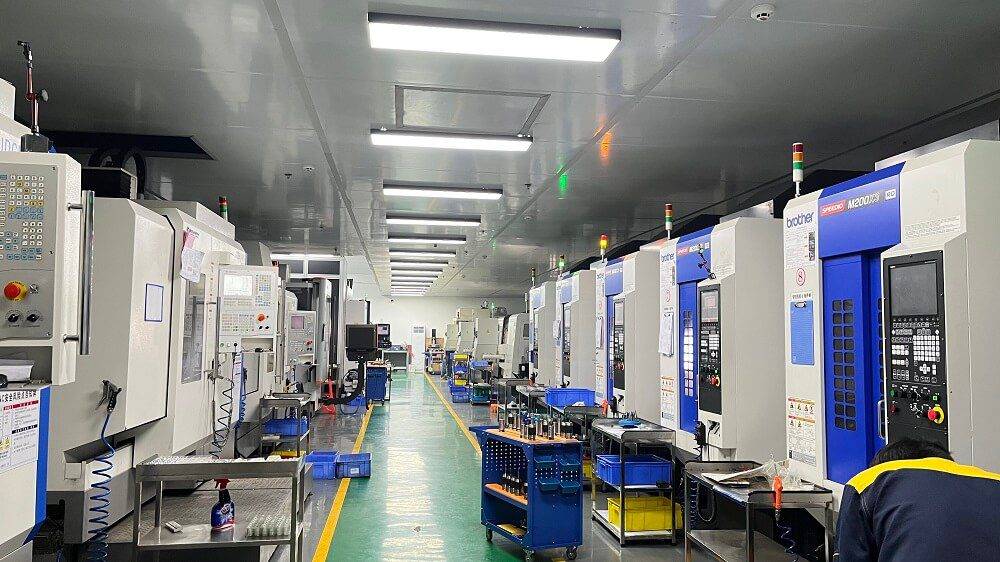
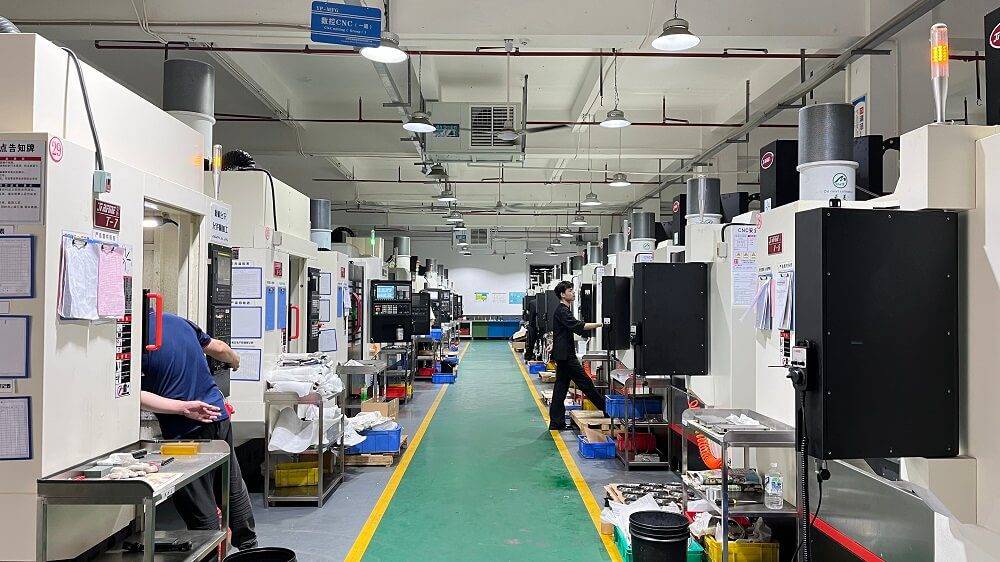
The risk of overlooking true process capability is high. It’s not just about the machine’s stated accuracy, but the entire system—fixturing, tool wear compensation, and thermal management. YPMFG supports projects where such holistic precision is paramount, helping buyers verify a supplier’s actual process control, not just their brochure claims.
Core Materials and Their Performance Trade-Offs
Material selection is the first major fork in the road. Common choices include aluminum alloys for lightweight structures, stainless steels for corrosion resistance, and engineering plastics for specific insulative or low-friction applications. Each has a profound impact on the final part’s behavior.
Consider this comparison for common automotive applications:
The wrong material specification can lead to premature wear or catastrophic failure under load or temperature cycles. YPMFG can provide guidance on material science trade-offs specific to your application’s stress, thermal, and environmental exposure profile.
The Hidden Cost Drivers Beyond Unit Price
The initial quote is rarely the full story. Total cost encompasses raw material sourcing, machining complexity, setup time, finishing operations, quality inspection, and logistics. A seemingly simple design might require expensive, custom tooling or extensive manual deburring.
Factors like design for manufacturability (DFM) play a huge role. A minor design change—adding a standard fillet radius or avoiding overly deep pockets—can dramatically reduce machining time and tool wear. The most cost-effective supplier often excels at early-stage engineering evaluation to identify these savings opportunities before the first cut is made.
Projects often face budget overruns due to unforeseen secondary operations. For example, a part may require anodizing, plating, or heat treatment to meet performance specs, adding cost and lead time. A transparent supplier will outline these post-processing requirements upfront.
Critical Tolerances for Safety-Critical Systems
Tolerances define the allowable variation in a part’s dimensions. For a bracket, ±0.5mm might be fine. For a fuel injection component or a bearing seat, tolerances can be within ±0.01mm or tighter. Specifying tighter tolerances than necessary is a direct path to inflated costs without added value.
The key is understanding which dimensions are truly critical to form, fit, and function. A GD&T (Geometric Dimensioning and Tolerancing) callout on a drawing communicates this intent more precisely than simple ± tolerances. It controls the relationship between features, which is often more important for assembly than individual dimensions.
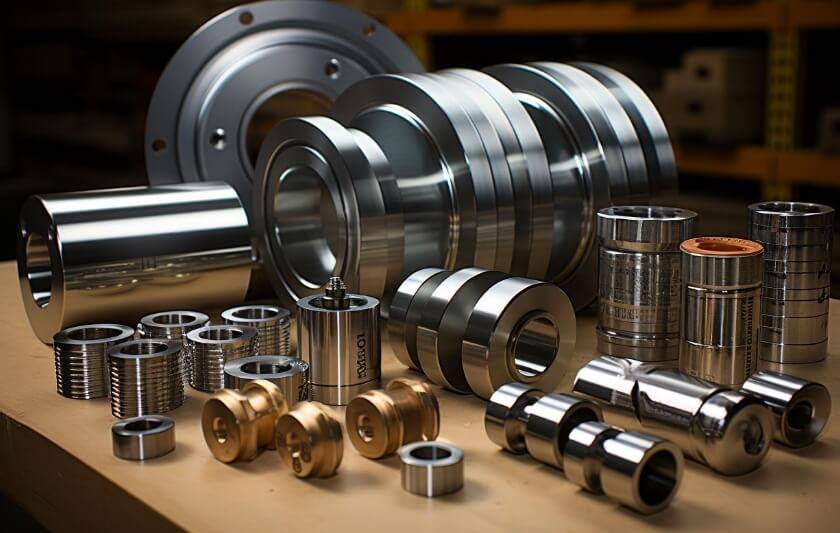
Misapplied tolerances are a common source of supply chain risk. A part might pass a go/no-go gauge but fail in assembly due to an uncontrolled geometric relationship. Working with a machining partner like YPMFG who understands and can apply GD&T principles is crucial for complex, high-precision assemblies.
Surface Finishes and Functional Requirements
Surface finish, measured in Ra (roughness average), affects more than just aesthetics. A smooth finish on a sealing surface prevents leaks. A specific texture on a shaft can improve lubrication retention. The required finish directly impacts the machining sequence and cost.
A mirror finish requires multiple polishing steps after milling, while a standard machined finish might be adequate for a non-contact interior surface. Specifying an unnecessarily fine finish can triple the machining time. It’s vital to align the surface finish requirement with the part’s actual function, which is often clarified through a collaborative review.
Navigating Standards and Compliance
The automotive industry is governed by a web of standards, from international ones like IATF 16949 for quality management to material-specific standards from SAE or ASTM. Compliance isn’t optional; it’s a baseline requirement for any serious supplier.
These standards ensure traceability, process control, and consistent material properties. For buyers, the due diligence step is verifying certifications and understanding the supplier’s documentation practices. Can they provide material certifications (C of C) and full inspection reports for critical lots? This paperwork is your risk mitigation.
From Prototype to High-Volume Production
The approach to machining changes with volume. A prototype run prioritizes speed and flexibility, often using 3-axis mills and manual setups. High-volume production demands efficiency through multi-axis machines, automated pallet systems, and optimized tool paths to minimize cycle time.
Scaling incorrectly is a major pitfall. A supplier great at prototypes may lack the systems for consistent, high-volume output. Conversely, a high-volume shop may be inflexible for low-quantity needs. Clarifying your volume roadmap—from initial prototype testing to annual production forecasts—helps in selecting the right manufacturing partner from the start.
Common Questions About CNC Machined Auto Parts
What file format do I need to provide for a quote?
A 3D CAD model (STEP or IGES) is ideal, along with a 2D drawing detailing critical tolerances, materials, and finishes. This gives a complete picture for an accurate assessment.
How do I choose between aluminum and steel?
Consider the strength requirement, weight constraints, and environmental exposure. Aluminum offers light weight, steel offers higher strength. Discuss the load cases and corrosion factors with your engineering partner.
What is a typical lead time for machined components?
Lead time varies widely. Simple parts may take 2-3 weeks, while complex, high-precision components with secondary processing can require 6-8 weeks or more. Project complexity and shop workload are key factors.
Can you machine parts from my existing design?
Yes, most machining services can work from your design. A design for manufacturability (DFM) review is often recommended to suggest modifications that improve producibility and reduce cost without compromising function.
How are parts inspected for quality?
Inspection methods range from basic calipers and micrometers for loose tolerances to Coordinate Measuring Machines (CMM) and optical scanners for complex geometries and tight tolerances. The inspection plan should match the part’s criticality.
What is the minimum order quantity (MOQ)?
MOQs depend on the part complexity and setup effort. For standard processes, MOQs can be as low as 1-5 pieces for prototyping, while production runs may have higher minimums to be economical.
Making a Confident Sourcing Decision
Choosing CNC machined automotive components involves balancing technical specifications, cost, and supply chain reliability. The lowest unit price can hide risks in quality, consistency, and total lifecycle cost. A partner’s technical capability to navigate materials, tolerances, and compliance is as important as their machining equipment.
Need a precise, reliable source for your next project? You can send your specifications and volume expectations to YPMFG for a formal engineering review and quote. Our team provides actionable feedback on manufacturability and helps identify the most efficient path from your design to durable, high-performance parts.